How to Teach Onset and Rime and Teaching Resources.
Understanding onset and rime is key to helping children improve their reading and spelling skills. In this guide, we’ll explore what onset and rime are and why they’re important in early literacy.
We aim to provide clear, practical tips for teachers and parents to help young learners grasp these concepts.
By focusing on these foundational elements, we can support children in becoming more confident and proficient in their language skills.

What are Onset and Rime
Onset and rime are parts of spoken language that are smaller than syllables but larger than phonemes.
The onset is the initial consonant sound of a syllable, while the rime is the string of letters that follow, usually a vowel and any final consonants.
For example, in the word “cat,” ‘c’ is the onset and ‘at’ is the rime.
This division of words helps children in decoding and constructing words, making it a vital part of learning to read and write.
The Importance of Onset and Rime in Early Literacy
Recognizing and using onset and rime helps children with phonological awareness, a key skill in early literacy.
It enables them to break down words into manageable parts, making reading and spelling less daunting.
This understanding also assists in rhyming, word recognition, and the development of vocabulary.
When children grasp these concepts, they are better equipped to tackle new words and become more fluent readers.

Onset and Rhyme Teaching Tips
Tip 1. Start with Simple Words
Begin by introducing onset and rime using simple, familiar words. Words with a clear single consonant onset, like ‘cat’, ‘dog’, or ‘hat’, are ideal for starters.
Use these words in fun activities to help children identify the onset (the first consonant sound) and the rime (the remaining part of the word).
This clear distinction helps lay the foundation for understanding more complex words later.
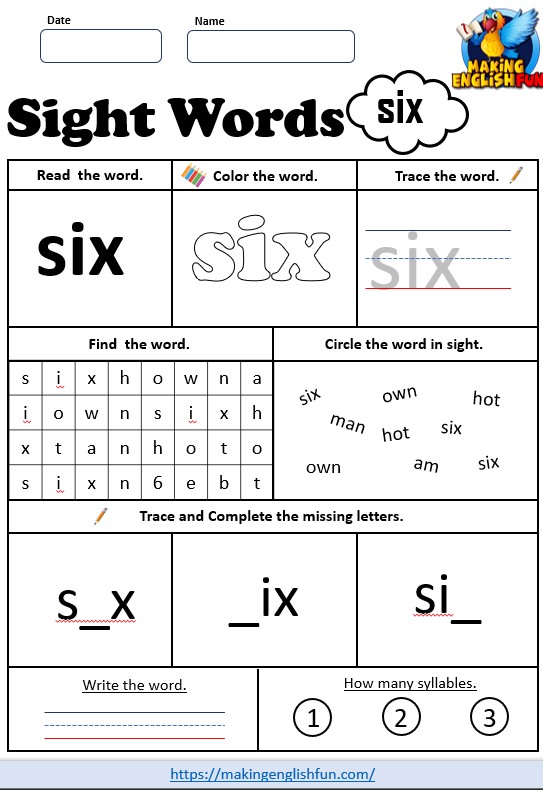
We have two set of worksheets below to help get you started with this.
Tip 2: Rhyming Activities
Rhyming is a fun and effective way to teach rime. Engage children in activities where they have to find words that rhyme.
For instance, give them a word like ‘bat’ and ask them to come up with as many rhyming words as possible, like ‘cat’, ‘hat’, ‘rat’.
This helps them recognize and form patterns in the rime part of words, which is a crucial skill in both reading and spelling.
Our CVC Poems cover the onset and rimes for the vowel sounds a-e-i-o-u, you can download these resources from our link below and find more on the site.
Tip 3: Word Family Charts
Create word family charts to visually display groups of words that share the same rime.
For example, a chart could have ‘an’ as the rime, and branch out to ‘can’, ‘fan’, ‘man’, and ‘pan’.
This visual representation helps children see the relationship between similar words and reinforces their understanding of rime patterns.
These charts can be referred to during reading or writing activities for reinforcement.
We have a onset and rime and cvc charts and examples in the download below.
Tip 4: Interactive Games
Games are always a hit with children and can be a great way to practice onset and rime.
Try games like ‘Bingo’ with a twist, where the cards are filled with rimes and you call out onsets, or vice versa.
Another idea is ‘I Spy with My Little Eye’, where children have to find objects in the room that match the onset or rime you specify.
These games make learning fun and interactive, encouraging children to think and respond quickly, thus reinforcing their understanding.
We have a guide to short vowel online games here on the site as well ( and actually have some you can play in the classroom online that we have made as well.
Tip 5: Use of Manipulatives
Incorporating manipulatives like magnetic letters or letter tiles can be very effective. Children can physically manipulate the letters to form different words.
This hands-on approach is particularly helpful for kinesthetic learners.
For instance, if you give them the rime ‘at’, they can change the onset to form different words like ‘cat’, ‘bat’, ‘rat’.
This tactile method helps solidify their understanding of how changing the onset can create new words.

Tip 6: Incorporating Technology
In today’s digital age, incorporating technology can enhance learning onset and rime.
There are numerous educational apps and online games focused on phonics that include activities for practicing these skills.
These resources can provide interactive and engaging ways for children to practice onset and rime, often using animations and sounds to make the learning experience more dynamic and enjoyable.
Tip 7: Storytelling and Reading Aloud
Storytelling and reading aloud are timeless techniques that can be adapted to teach onset and rime. Choose books that have a good amount of rhyming words.
As you read, pause and emphasize the rhyming words, asking children to identify the onset and rime. You can also create stories together in class, focusing on using words with the same rime.
This approach not only aids in understanding onset and rime but also enhances listening skills and imagination.
Tip 8: Writing Practice
Encourage children to write using their knowledge of onset and rime. Start with simple exercises, like writing a list of words that share the same rime.
Then, progress to creating short sentences or even stories using those words. This activity not only reinforces their understanding of onset and rime but also improves their writing and creative skills.
Tip 9: Regular Review and Repetition
Like any skill, mastering onset and rime requires practice and repetition. Regularly revisit these concepts in your teaching.
You can start each literacy session with a quick onset and rime activity, or incorporate them into spelling and reading exercises.
Consistent reinforcement ensures that children remain familiar with the concepts and continue to build upon their skills.
Implementing these tips in your teaching strategy will provide a comprehensive approach to helping children grasp the concepts of onset and rime.
These foundational skills are crucial stepping stones in the journey of literacy and language development, paving the way for successful and confident readers and spellers.
Tip 10: Peer Learning and Group Activities
Encouraging peer learning through group activities can be a very effective way to teach onset and rime.
Organize activities where children work in pairs or small groups to create word families or find rhyming words. This not only aids in understanding the concepts but also fosters teamwork and communication skills.
For example, you can have a group challenge where each team comes up with the most words for a given rime. This collaborative approach makes learning more engaging and fun.
Tip 11: Flashcards and Memory Games
Flashcards are a classic educational tool that can be adapted for onset and rime practice.
Create sets of flashcards with different onsets and rimes and use them in various games.
For instance, you can play a memory game where students find pairs that form a complete word when combined.
These kinds of games enhance visual memory as well as literacy skills.

Tip 12: Personalized Learning
Recognize that each child may have a different learning pace and style. Some children might grasp the concept of onset and rime quickly, while others may need more time and practice.
Tailor your approach to meet the individual needs of each student. Offering varied activities and resources allows each child to learn in a way that best suits them.
This personalized approach ensures that all students are able to progress and feel successful in their learning journey.
Tip 13: Use of Puppets and Characters
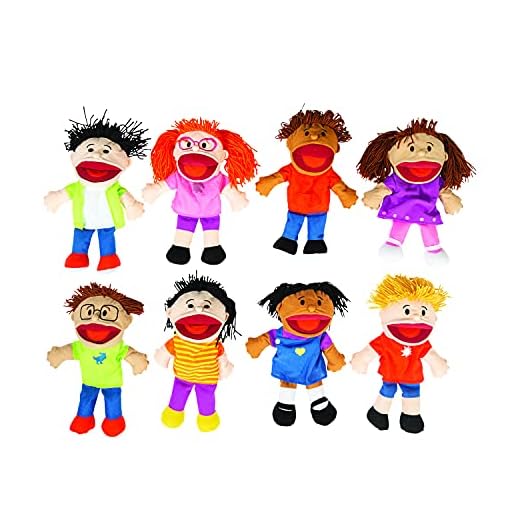
Incorporating puppets or character cutouts can add an element of fun and engagement when teaching onset and rime.
Create characters for different onsets and rimes, and use them in storytelling or role-play activities.
For instance, a puppet named ‘Sam’ can be used to teach the ‘sam’ rime in words like ‘ham’, ‘clam’, or ‘slam’.
This method not only makes the learning process enjoyable but also helps in visual and auditory association, which is beneficial for memory and recall.
Tip 14: Incorporating Art and Creativity
Combine arts and crafts with literacy learning by involving children in creating onset and rime art projects.
They can, for example, make a collage of items that all have the same rime. Another idea is to have them draw or paint a scene and then write short, rhyming descriptions for each element in their artwork.
Integrating art into literacy helps to engage different types of learners and allows children to express their understanding in a creative and personal way.
We have some onset and rimes games for you to get ideas from as well.
Further Strategies for Teaching Onset and Rime.
Developing a Routine
Establishing a routine for practicing onset and rime can greatly enhance learning.
Dedicate a specific time each day or week for activities focused on these concepts. This could be during a morning circle, a designated reading time, or as part of language arts lessons.
Consistency helps children anticipate and prepare for these activities, making the learning process more structured and effective.

Encouraging Self-Correction
Teach children the skill of self-correction when working with onset and rime. When they make a mistake in identifying or forming words, guide them to recognize and correct it themselves.
This not only improves their understanding but also builds confidence and independence in their learning journey.
Integration with Other Literacy Skills
Onset and rime should not be taught in isolation but integrated with other literacy skills such as phonics, vocabulary, and comprehension.
For instance, when teaching new vocabulary words, highlight their onset and rime structures.
This integrated approach ensures that children see the relevance of onset and rime in the broader context of reading and writing.
Feedback and Positive Reinforcement
Providing regular feedback and positive reinforcement is crucial. Celebrate successes, no matter how small, and provide constructive feedback when necessary.
Use praise and encouragement to motivate children, making them feel proud of their progress in mastering onset and rime.
Parental Involvement
Involve parents in the learning process by providing tips and activities they can do at home.
Share worksheets, game ideas, or lists of rhyming books that parents can use to reinforce the concepts of onset and rime.
Parental support can significantly boost a child’s learning experience and success.
Assessment and Progress Tracking
Regularly assess children’s understanding of onset and rime through informal and formal assessments.
This could include oral quizzes, written exercises, or observing them during activities. Tracking progress helps in identifying areas where a child might need more support and adjusting teaching strategies accordingly.
By incorporating these additional strategies and maintaining a consistent, integrated, and positive approach, educators can effectively enhance their teaching of onset and rime.
These foundational skills are crucial for literacy development, and with the right support and practice, children can achieve significant progress in their reading and writing abilities.
Enhancing Engagement with Onset and Rime
Creating a Language-Rich Environment
Foster a language-rich environment in the classroom where onset and rime are part of everyday conversation.
Label objects with their names and break down those names into onset and rime. Use bulletin boards to display word families or rhyming pairs.
This constant exposure helps children internalize these concepts as part of their natural language development.
Using Real-Life Examples
Incorporate real-life examples when teaching onset and rime.
This could involve identifying the onset and rime in items found in the classroom, like ‘pen’ (p-en) or ‘chair’ (ch-air).
Using familiar objects makes the learning more relatable and easier to grasp.
Encouraging Exploration and Creativity
Allow children to explore and play with words. Encourage them to create their own word families or come up with rhymes for their names or objects around them.
This creative exploration not only reinforces their understanding of onset and rime but also fosters a love for language and wordplay.
Interactive Whiteboard Activities
Utilize interactive whiteboards for engaging onset and rime activities.
These can include sorting games, drag-and-drop exercises, or digital story creation with a focus on rhyming words.
Interactive whiteboards offer a dynamic and visually stimulating way to learn, appealing to various learning styles.
Role of Phonemic Awareness
Emphasize the role of phonemic awareness in understanding onset and rime.
Engage children in identifying individual sounds in words and then show how these sounds form the onset and the rime.
This deepens their phonological understanding and helps in mastering more complex literacy skills.
Continuous Learning Opportunities
Create opportunities for learning onset and rime outside the classroom. This could include take-home activities, library sessions focusing on rhyming books, or even school-wide literacy events.
Extending learning beyond the classroom walls reinforces the importance and enjoyment of literacy.
Conclusion
Teaching onset and rime is an essential part of early literacy education. Through a variety of engaging, creative, and interactive methods, educators can provide a solid foundation for children to develop their reading and writing skills.
By integrating these concepts into everyday learning, reinforcing them through routine and positive feedback, and encouraging exploration and creativity, teachers can create a fun and effective literacy learning experience.
As children become more proficient in identifying and using onset and rime, they build the confidence and skills necessary for successful language development.
Further Resources
- https://advancedmoms.com/how-to-teach-onset-and-rime/
- https://www.readingrockets.org/classroom/classroom-strategies/onset-rime-games
- https://thriveedservices.com/onset-and-rime/
Making English Fun!

I have been a teacher of English for over 15 years, in that time i made hundreds and thousands of resources and learnt so much i think its worth sharing. Hopefully to help teachers and parents around the world.