The Best ESL Listening Games and Activities.
Are you searching for effective and enjoyable ESL listening games to enhance your language classroom? Look no further! In this comprehensive guide, we explore 17 engaging listening activities tailored for ESL learners.
From the classic ‘Telephone Game’ to the innovative ‘Find the Mistake’, these games are designed to improve listening skills, boost comprehension, and make language learning an adventure.
Ideal for teachers and language enthusiasts alike, our selection covers a range of skills and group sizes, ensuring that every student gets the most out of their ESL journey.
Just before we jump into these 17 ESL Listening Games and Activities we have the four skills covered on the site. Speaking, Reading, Writing and Listening.
You can access the pages from the links below or click on the image to download them all in one PDF file for $2.99 or the price of a coffee (a good one we admit!)
- The Best ESL Listening Games and Activities.
- The Best ESL Speaking Games and Activities.
- The Best ESL Writing Games and Activities.
- The Best ESL Reading Games and Activities.
So, let’s dive into these exciting games and transform the way your students engage with language learning!

17 of the Best ESL Listening Games.
We have given full breakdown for these games in the table provided, and its in the download above as well, to help you speed up and make sure if these games suit your class and students.
1. Telephone Game
Overview: The Telephone Game is a classic and engaging activity that tests students’ listening and memory skills. It’s particularly effective in highlighting how easily information can be misunderstood or changed in communication.
- Setup: Arrange students in a circle, either sitting or standing.
- Time to Play: Typically 10-15 minutes, but can vary depending on group size.
- Number of Players: Ideal for 5 or more players. Larger groups increase the fun and the challenge.
- Resources Needed: No physical resources are needed, making this an easy game to set up in any setting.
- Skills Developed:
- Enhances listening accuracy and memory.
- Encourages focus and attention to detail.
- Illustrates the nature of verbal communication and how easily messages can be altered or misinterpreted.
Description of the Telephone ESL Listening game:
The game begins with one student thinking of a sentence and whispering it to the student next to them. This sentence is then passed along through whispers from one student to another around the circle.
The key is for each student to whisper what they heard to the next person, without repeating or clarifying.
Once the sentence reaches the last student in the circle, they say it out loud.
The fun and educational part comes in comparing the final sentence to the original. It’s often humorous and surprising how much the message can change, demonstrating the importance of clear communication and attentive listening.
Telephone Game Table
| Aspect | Details |
|---|---|
| Setup | Arrange students in a circle |
| Time to Play | 10-15 minutes |
| Number of Players | 5 or more (best with larger groups) |
| Description | Students whisper a sentence around the circle, and the last person says it aloud. It’s interesting to see how the message changes. |
| Resources Needed | None |
| Skills Developed | Listening accuracy, memory, |
2. Lyrics Gap Fill
Overview:
Lyrics Gap Fill is an engaging activity that combines music with language learning. It challenges students to listen closely to the lyrics of a song and fill in missing words, enhancing their listening comprehension and vocabulary skills.
- Setup: Choose a popular song that’s suitable for the classroom and prepare a handout with the lyrics, leaving some words blank.
- Time to Play: 15-20 minutes.
- Number of Players: Can be done individually or in small groups, accommodating any class size.
- Resources Needed: An audio player (like a smartphone, computer, or CD player) and printed lyrics with gaps.
- Skills Developed:
- Improves listening comprehension and attention to detail.
- Expands vocabulary and idiomatic language understanding.
- Engages students in a fun and culturally relevant activity.
Description of the Lyrics Gap Fill ESL Listening Game:
Distribute the gap-filled lyrics to the students.
Play the song, and students listen and fill in the missing words.
This can be done as a collective activity with pauses for discussion, or as a more competitive game where the first to fill in all the gaps correctly wins.
It’s an excellent way to introduce new vocabulary and idiomatic expressions found in songs, making learning more memorable and enjoyable.
Lyrics Gap Fill Table
| Aspect | Details |
|---|---|
| Setup | Choose a song and prepare gap-filled lyrics |
| Time to Play | 15-20 minutes |
| Number of Players | Individual or groups, any class size |
| Description | Students listen to a song and fill in missing words in the lyrics |
| Resources Needed | Audio player, gap-filled lyrics |
| Skills Developed | Listening comprehension, vocabulary, language idioms |
3. Movie Clip Challenge
Overview:
The Movie Clip Challenge is a dynamic activity that utilizes engaging movie or TV show clips to hone students’ listening skills. It’s especially effective in teaching listening for specific details, intonation, and colloquial language.
- Setup: Select a short, appropriate clip from a movie or TV show.
- Time to Play: 10-20 minutes, depending on the clip length and discussion time.
- Number of Players: Flexible; can be done individually, in pairs, or in groups.
- Resources Needed: A device for playing the clip (like a computer or TV) and a set of questions related to the clip.
- Skills Developed:
- Enhances the ability to listen for specific information.
- Improves understanding of different accents and speaking styles.
- Engages students with real-world language usage.
Description of the Movie Clip Challenge ESL Listening Game:
Before playing the clip, provide students with a list of questions or key points to listen for.
Play the clip, then have students discuss or write answers to the questions.
This activity can also involve predicting what happens next in the clip or discussing characters’ actions and motivations, further enhancing listening comprehension and critical thinking.
Movie Clip Challenge Table
| Aspect | Details |
|---|---|
| Setup | Select and prepare a movie or TV show clip |
| Time to Play | 10-20 minutes |
| Number of Players | Individual, pairs, or groups |
| Description | Watch a movie clip and answer questions or discuss it |
| Resources Needed | Device to play the clip, questions related to the clip |
| Skills Developed | Specific information listening, accent understanding, real-world language |

4. Sound Effects Guessing Game
Overview:
The Sound Effects Guessing Game is an entertaining and imaginative activity. It involves playing various sound effects and having students guess what they represent, enhancing their listening skills and creativity.
- Setup: Prepare a playlist of different sound effects.
- Time to Play: 10-15 minutes.
- Number of Players: Flexible; suitable for individuals, small groups, or the entire class.
- Resources Needed: An audio player and a collection of sound effects.
- Skills Developed:
- Enhances auditory discrimination and attention to detail.
- Encourages imaginative thinking and vocabulary development.
- Provides a fun break from more traditional language lessons.
Description of the Sound Effects Guessing Game ESL Listening Game:
Play a sound effect and ask students to write down or shout out what they think it is.
The game can be made more challenging by using less common or more abstract sounds.
Discuss the sounds afterward, perhaps linking them to vocabulary or themes you are studying in class.
Sound Effects Guessing Game Table
| Aspect | Details |
|---|---|
| Setup | Prepare a playlist of sound effects |
| Time to Play | 10-15 minutes |
| Number of Players | Individual, small groups, or whole class |
| Description | Students guess the sources of various sound effects |
| Resources Needed | Audio player, sound effects |
| Skills Developed | Auditory discrimination, imaginative thinking, vocabulary |
5. Dictation Relay
Overview:
Dictation Relay is an active and collaborative game that combines listening, writing, and physical activity. It involves students relaying a sentence from the teacher to their team and dictating it accurately.
- Setup: Divide the class into teams and designate a space for the relay.
- Time to Play: 15-20 minutes.
- Number of Players: Best played with groups of 4-6 students.
- Resources Needed: Paper and pens for each team.
- Skills Developed:
- Improves listening for specific details and memory recall.
- Encourages teamwork and effective communication.
- Adds a physical element to the listening task, catering to kinesthetic learners.
Description of the Dictation Relay ESL Listening Game:
One student from each team listens to a sentence from the teacher.
They then run back to their team and dictate the sentence for a teammate to write down.
The next team member runs to the teacher for the next sentence, and so on.
The game can be tailored to different levels by adjusting the complexity of the sentences.
Dictation Relay Table
| Aspect | Details |
|---|---|
| Setup | Divide into teams, set up relay space |
| Time to Play | 15-20 minutes |
| Number of Players | Groups of 4-6 |
| Description | Teams relay and dictate sentences from the teacher |
| Resources Needed | Paper, pens |
| Skills Developed | Specific detail listening, memory, teamwork, communication |
6. Story Sequencing
Overview:
Story Sequencing is an interactive game that enhances students’ listening comprehension and their ability to organize information logically. Students listen to a story and then work to sequence the events correctly.
- Setup: Prepare a short story with distinct events or use a well-known tale.
- Time to Play: 15-20 minutes.
- Number of Players: Suitable for individual students or small groups.
- Resources Needed: A written story and, optionally, printed cards or pictures representing different events from the story.
- Skills Developed:
- Enhances comprehension and recall of spoken information.
- Encourages logical thinking and sequencing skills.
- Engages students in narrative structure and storytelling.
Description of the Story Sequencing ESL Listening Game:
Read a story aloud to the class or play a recorded version.
After listening, students work to put the events of the story in the correct order. This can be done verbally, in writing, or by arranging picture cards.
Discuss the correct sequence with the class afterward and explore different interpretations of the story.
Story Sequencing Table
| Aspect | Details |
|---|---|
| Setup | Prepare a short story |
| Time to Play | 15-20 minutes |
| Number of Players | Individual or small groups |
| Description | Students listen to a story and sequence the events |
| Resources Needed | Written story, optional picture cards |
| Skills Developed | Comprehension, recall, logical sequencing |

7. News Report Analysis
Overview:
News Report Analysis is a practical game that helps students develop their ability to comprehend and analyze spoken information. It involves listening to a short news report and then discussing or answering questions about it.
- Setup: Select a short, age-appropriate news report – audio or video.
- Time to Play: 20-25 minutes.
- Number of Players: Works well with individual students, pairs, or small groups.
- Resources Needed: A device to play the news report and a set of questions related to the report.
- Skills Developed:
- Improves comprehension of formal, real-world spoken language.
- Enhances critical thinking and analytical skills.
- Encourages discussion and opinion formation based on listening.
Description of the News Report Analysis ESL Listening Game:
Play the news report for the class.
Students listen and then answer questions about the report, which can include facts, opinions, and inferences.
This activity can be expanded into a discussion, allowing students to express their views on the topic, practicing their speaking skills alongside listening.
News Report Analysis Table
| Aspect | Details |
|---|---|
| Setup | Select a news report |
| Time to Play | 20-25 minutes |
| Number of Players | Individual, pairs, or small groups |
| Description | Listen to a news report and answer/discuss questions |
| Resources Needed | Device to play report, question set |
| Skills Developed | Comprehension of formal language, critical thinking, discussion |
8. Directions Game
Overview:
The Directions Game is an interactive and practical activity where one student gives directions to a specific location, and the others draw the route on a map as they listen. This game enhances listening comprehension, particularly for understanding instructions and spatial language.
- Setup: Prepare a simple map of the classroom, school, or a fictional place.
- Time to Play: 15-20 minutes.
- Number of Players: Can be played individually or in small groups.
- Resources Needed: Maps for each student or group and writing utensils.
- Skills Developed:
- Enhances understanding of directional and spatial language.
- Encourages careful listening and interpretation of instructions.
- Develops skills useful for real-life situations, like navigating a new place.
Description of the Directions Game ESL Listening Game:
- One student gives directions from one point on the map to another. These directions should include specific spatial terms and landmarks.
- The other students listen and draw the route on their maps based on the instructions given.
- After the activity, compare the drawn routes to see how well the instructions were understood and followed.
Directions Game Table
| Aspect | Details |
|---|---|
| Setup | Prepare a map |
| Time to Play | 15-20 minutes |
| Number of Players | Individual or small groups |
| Description | One student gives directions, others draw the route on a map |
| Resources Needed | Maps, pens or pencils |
| Skills Developed | Understanding of directions, careful listening, map reading |
9. Mystery Sound Story
Overview:
Mystery Sound Story is a creative and imaginative listening game. It involves playing a series of sounds that collectively tell a story, with students listening and then narrating the story based on what they heard.
- Setup: Prepare a sequence of sound effects that, when put together, suggest a narrative.
- Time to Play: 10-15 minutes.
- Number of Players: Suitable for individuals or small groups.
- Resources Needed: A playlist of sound effects that form a narrative.
- Skills Developed:
- Encourages creative thinking and storytelling based on auditory cues.
- Enhances listening skills and the ability to connect sounds to a coherent narrative.
- Engages students in a unique and imaginative listening experience.
Description of the Mystery Sound Story ESL Listening Game:
Play the series of sounds for the students without giving them any context.
Students listen to the sounds and then work individually or in groups to create a story that connects all the sounds.
Afterward, have students share their stories and discuss the different interpretations and narratives they created.
Mystery Sound Story Table
| Aspect | Details |
|---|---|
| Setup | Prepare a sequence of narrative sound effects |
| Time to Play | 10-15 minutes |
| Number of Players | Individual or small groups |
| Description | Listen to a series of sounds and create a story from them |
| Resources Needed | Playlist of sound effects |
| Skills Developed | Creative storytelling, narrative construction, listening comprehension |

10. Simon Says’ with a Twist
Overview:
‘Simon Says’ with a Twist is a classic game with an added layer to enhance listening skills. It involves following instructions only when a specific phrase is used, sharpening students’ attention to verbal cues and directives.
- Setup: No special setup required, just enough space for students to move around safely.
- Time to Play: 10-15 minutes.
- Number of Players: Any number, works well with both small and large groups.
- Resources Needed: None.
- Skills Developed:
- Improves listening for specific instructions and details.
- Enhances concentration and focus.
- Provides a fun, physical way to practice language comprehension.
Description of the ‘Simon Says’ with a Twist ESL Listening Game:
The teacher (or a student) gives various instructions to the class, like “touch your nose” or “jump in place.”
Students should only follow the instruction if it starts with the phrase “Simon says.”
Introduce more complex instructions or faster pacing to increase the challenge.
The game can be made more educational by using vocabulary or grammar structures you are currently teaching.
‘Simon Says’ with a Twist Table
| Aspect | Details |
|---|---|
| Setup | Enough space for movement |
| Time to Play | 10-15 minutes |
| Number of Players | Any number |
| Description | Follow instructions only when prefixed with “Simon says” |
| Resources Needed | None |
| Skills Developed | Listening for details, concentration, language comprehension |
11. Audio Book Club
Overview:
The Audio Book Club is a listening activity that combines literature with auditory learning. It involves listening to a section of an audiobook and then discussing it, enhancing comprehension and critical thinking skills.
- Setup: Choose an audiobook that is suitable for your students’ language level.
- Time to Play: 20-30 minutes, including discussion.
- Number of Players: Can be done individually or in small discussion groups.
- Resources Needed: An audio player and access to an audiobook.
- Skills Developed:
- Improves listening comprehension and retention of detailed information.
- Encourages analytical thinking and discussion skills.
- Exposes students to different accents and styles of spoken language.
Description of the Audio Book Club ESL Listening Game:
Play a section of the audiobook for the class.
After listening, facilitate a discussion about the content. This can include character analysis, plot predictions, and vocabulary review.
The discussion can be guided by specific questions or be more open-ended, depending on the students’ level and the learning objectives.
Audio Book Club Table
| Aspect | Details |
|---|---|
| Setup | Select an appropriate audiobook |
| Time to Play | 20-30 minutes |
| Number of Players | Individual or small groups |
| Description | Listen to an audiobook section and discuss it |
| Resources Needed | Audio player, audiobook |
| Skills Developed | Listening comprehension, analytical thinking, discussion |
12. Guess the Speaker
Overview:
Guess the Speaker is an intriguing listening game that sharpens students’ ability to identify different voices or accents. It’s a fun way to improve listening discrimination and to introduce students to a variety of speaking styles.
- Setup: Prepare recordings of different people speaking. These can include various accents, ages, and speaking speeds.
- Time to Play: 10-15 minutes.
- Number of Players: Flexible, suitable for individuals, pairs, or groups.
- Resources Needed: An audio player and a collection of voice recordings.
- Skills Developed:
- Enhances the ability to distinguish between different accents and tones.
- Improves attentive listening and auditory processing.
- Introduces students to a range of vocal characteristics and speech patterns.
Description of the Guess the Speaker ESL Listening Game:
Play a series of voice recordings for the students.
After each recording, students try to guess who the speaker might be, focusing on their accent, age, gender, or any other characteristic.
Discuss the guesses as a class and reveal the correct answers, providing insights into the different characteristics of each voice.
Guess the Speaker Table
| Aspect | Details |
|---|---|
| Setup | Prepare different voice recordings |
| Time to Play | 10-15 minutes |
| Number of Players | Any number |
| Description | Identify various speakers from voice recordings |
| Resources Needed | Audio player, voice recordings |
| Skills Developed | Accent and tone discrimination, attentive listening, auditory processing |

13. Weather Forecast Fun
Overview:
Weather Forecast Fun is an educational listening game that combines language learning with real-world knowledge. Students listen to a weather forecast and then create a visual representation of it, such as a mini weather chart.
- Setup: Find a recording of a weather forecast or use an online video.
- Time to Play: 15-20 minutes.
- Number of Players: Can be played individually or in small groups.
- Resources Needed: A device to play the weather forecast, paper, and art supplies for creating the weather chart.
- Skills Developed:
- Enhances listening for specific information and details.
- Encourages understanding and use of weather-related vocabulary.
- Promotes creativity in visually representing information.
Description of the Weather Forecast Fun ESL Listening Game:
Play the weather forecast for the students.
As they listen, students create a weather chart or drawing that represents the forecasted weather.
Afterward, have students present their charts and discuss the accuracy of their representations based on the forecast they heard.
Weather Forecast Fun Table
| Aspect | Details |
|---|---|
| Setup | Find a weather forecast recording |
| Time to Play | 15-20 minutes |
| Number of Players | Individual or small groups |
| Description | Listen to a weather forecast and create a visual representation |
| Resources Needed | Device for playing forecast, paper, art supplies |
| Skills Developed | Specific information listening, weather vocabulary, creative representation |
14. Classroom Instructions Challenge
Overview:
Classroom Instructions Challenge is an interactive game where students follow a series of spoken instructions. It’s designed to improve their ability to listen and respond to directives, a key skill in language learning.
- Setup: No special setup required. The teacher prepares a list of instructions beforehand.
- Time to Play: 10-15 minutes.
- Number of Players: Flexible; can be played with the entire class.
- Resources Needed: None, just a list of instructions.
- Skills Developed:
- Enhances the ability to follow spoken instructions.
- Improves listening comprehension and immediate response.
- Encourages attentiveness and quick thinking.
Description of the Classroom Instructions Challenge ESL Listening Game:
The teacher gives a series of instructions to the class, such as “Stand up,” “Find something blue,” or “Draw a circle on your paper.”
Students must listen carefully and follow the instructions as quickly and accurately as possible.
Mix simple instructions with more complex ones to cater to different language levels and to keep students engaged.
Classroom Instructions Challenge Table
| Aspect | Details |
|---|---|
| Setup | Prepare a list of instructions |
| Time to Play | 10-15 minutes |
| Number of Players | Entire class |
| Description | Follow a series of spoken instructions |
| Resources Needed | None |
| Skills Developed | Following instructions, listening comprehension, quick response |
15. Listening Bingo
Overview:
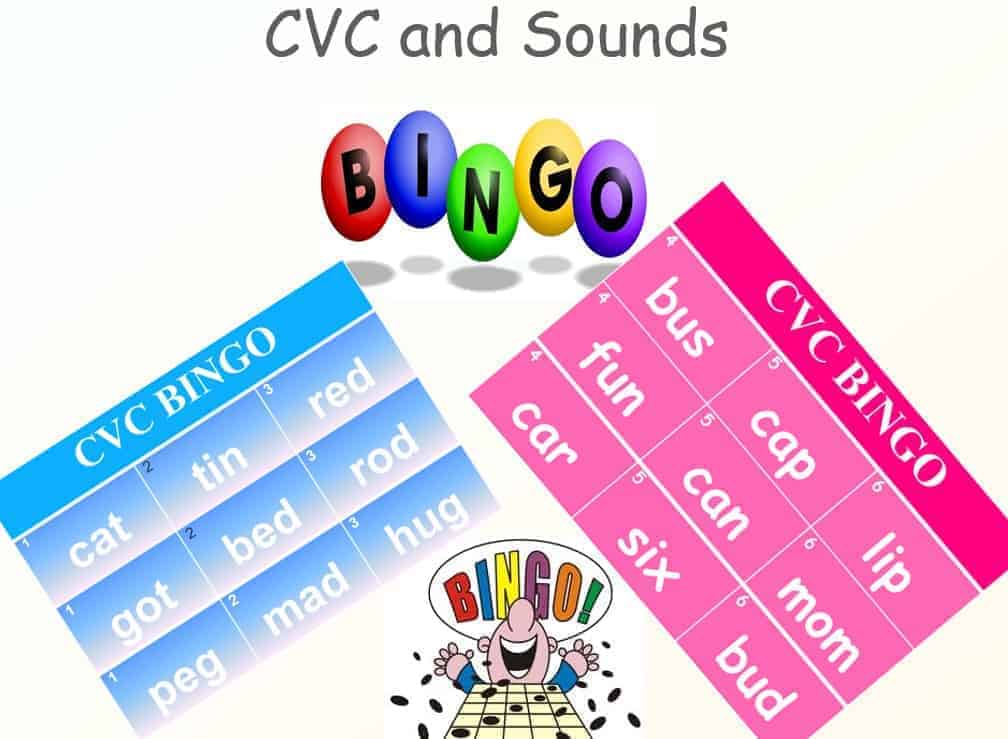
Listening Bingo combines the fun of the traditional bingo game with listening comprehension. Students listen to words or phrases and mark them on their bingo cards.
- Setup: Create bingo cards with a selection of words or phrases you want the students to learn.
- Time to Play: 15-20 minutes.
- Number of Players: Suitable for any class size.
- Resources Needed: Bingo cards for each student and markers or pens.
- Skills Developed:
- Enhances listening for specific words or phrases.
- Encourages focus and concentration.
- Provides a fun, game-based approach to vocabulary learning.
Description of the Listening Bingo ESL Listening Game:
Distribute bingo cards to the students.
Read out words or phrases from your list, and students mark them on their cards as they hear them.
The first student to complete a row (or pattern, depending on your rules) and shout “Bingo!” wins.
This game can be tailored to different themes or vocabulary sets, making it a versatile tool for language learning.
Listening Bingo Table
| Aspect | Details |
|---|---|
| Setup | Create bingo cards with words/phrases |
| Time to Play | 15-20 minutes |
| Number of Players | Any number |
| Description | Mark words/phrases on a bingo card as they are read aloud |
| Resources Needed | Bingo cards, markers/pens |
| Skills Developed | Listening for specific words, concentration, vocabulary learning |
16. Guess the Object
Overview:
Guess the Object is a listening and imagination game. Students listen to a description of an object and try to guess what it is. This game sharpens listening comprehension and encourages creative thinking.
- Setup: Prepare descriptions of various objects, focusing on their features, uses, or context.
- Time to Play: 10-15 minutes.
- Number of Players: Can be played with any number of students.
- Resources Needed: List of object descriptions.
- Skills Developed:
- Enhances listening comprehension and attention to detail.
- Encourages imagination and inference-making.
- Useful for vocabulary expansion and context understanding.
Description of the Guess the Object ESL Listening Game:
The teacher reads out a description of an object without naming it.
Students listen to the clues and try to guess the object being described.
This can be turned into a competitive game by awarding points for correct guesses or having students race to be the first to guess.
Guess the Object Table
| Aspect | Details |
|---|---|
| Setup | Prepare descriptions of various objects |
| Time to Play | 10-15 minutes |
| Number of Players | Any number |
| Description | Guess objects based on their descriptions |
| Resources Needed | List of object descriptions |
| Skills Developed | Comprehension, imagination, vocabulary, context understanding |
17. Find the Mistake
Overview:
Find the Mistake is a listening game that challenges students to identify errors in spoken sentences. It’s great for developing attention to grammatical details and listening comprehension.
- Setup: Prepare a list of sentences that contain deliberate grammatical or vocabulary mistakes.
- Time to Play: 10-15 minutes.
- Number of Players: Suitable for individuals or small groups.
- Resources Needed: List of sentences with mistakes.
- Skills Developed:
- Improves focus and attention to linguistic details.
- Enhances grammatical and vocabulary knowledge.
- Encourages active and critical listening.
Description of the Find the Mistake ESL Listening Game:
Read sentences aloud to the students, one at a time.
Students listen and try to identify and correct the mistakes in each sentence.
This game can be adapted to suit various language levels by varying the complexity of the mistakes.
Find the Mistake Table
| Aspect | Details |
|---|---|
| Setup | Prepare sentences with mistakes |
| Time to Play | 10-15 minutes |
| Number of Players | Individual or small groups |
| Description | Identify and correct mistakes in spoken sentences |
| Resources Needed | List of sentences with mistakes |
| Skills Developed | Attention to detail, grammatical knowledge, critical listening |
Conclusion
These 17 ESL listening games offer a dynamic and effective way to enhance listening skills in the language classroom.
Whether it’s through the playful challenge of ‘Simon Says’ with a Twist or the imaginative exploration of ‘Mystery Sound Story’, each game brings a unique blend of fun and learning.
By incorporating these activities into your teaching repertoire, you’ll not only improve your students’ listening abilities but also foster a more engaging and interactive learning environment.
Remember, mastering a new language is not just about memorizing grammar and vocabulary; it’s about immersing oneself in a world of exciting sounds and meanings.
So, embrace these listening games and watch your students’ language skills flourish!
Further Games and Activities for ESL Listening
- https://www.fluentu.com/blog/educator-english/esl-listening-activities/
- https://www.latinhire.com/7-fun-activities-to-improve-your-esl-students-listening-skills/
- https://www.teachingexpertise.com/classroom-ideas/esl-listening-activity/
Making English Fun!

I have been a teacher of English for over 15 years, in that time i made hundreds and thousands of resources and learnt so much i think its worth sharing. Hopefully to help teachers and parents around the world.