FREE Sight Word Worksheets – ‘was’
The sight word “was” is essential in English, serving as the past tense of the verb “be” for singular subjects.
This article is tailored for educators working with young learners, ESL instructors, and parents supporting their children’s literacy at home.
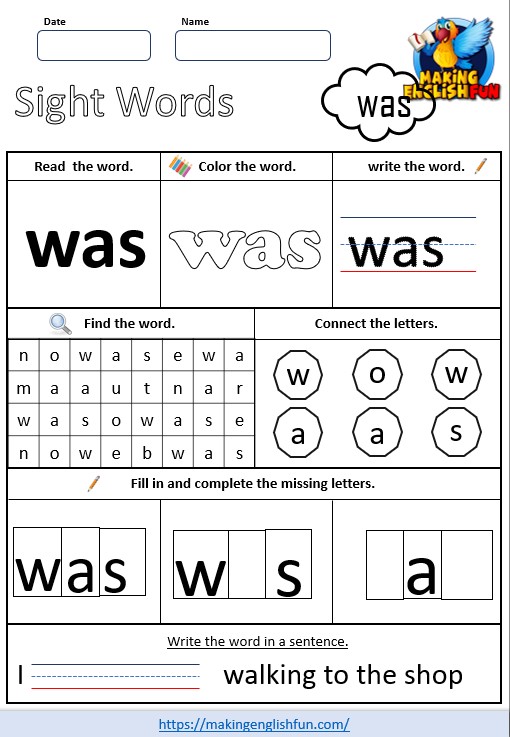
We offer a free, printable worksheet designed to help children master the sight word “was,” facilitating an understanding of past events and states, and thereby enriching reading comprehension and narrative skills.
you can see the full sets on the links below.
The Importance of Sight Words
Sight words like “was” are crucial for developing reading fluency and comprehension.
Recognizing these words by sight aids in smooth reading and helps children understand texts more effectively.
Teaching “was” allows young readers to accurately interpret texts that describe past actions or states, enriching their understanding of narrative timelines and sequences.
Exploration of ‘Was’
To deepen understanding of “was” and its usage in English, here’s an overview:
Sight Word: “was”
| Aspect | Details |
|---|---|
| Meaning | “Was” is the past tense of “be,” used to indicate a state of being or occurrence in the past for singular subjects. |
| Example | “She was happy yesterday.” |
| Type of Word | Verb (Past Tense) |
Why Free Worksheets Are a Game-Changer
Providing accessible, high-quality educational materials is key to supporting equitable learning opportunities.
Our sight word “was” worksheet offers focused practice in a straightforward format, enabling learners from various educational backgrounds to enhance their literacy skills.
Free resources empower educators and parents to provide comprehensive literacy support, promoting an inclusive learning environment for all students.
Engaging with the Sight Word ‘Was’
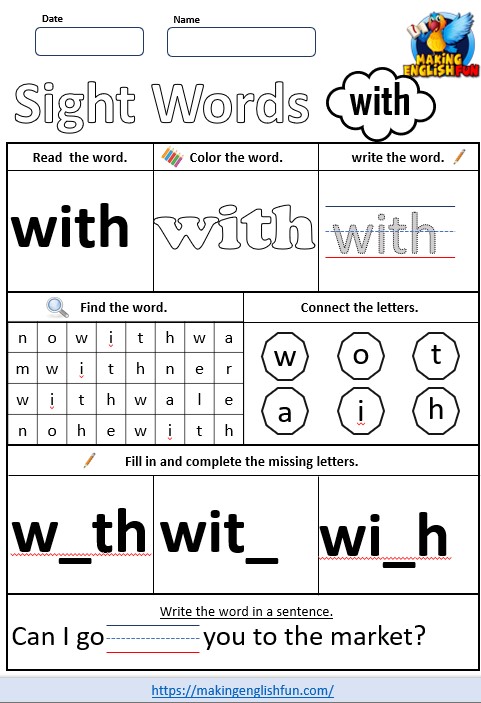
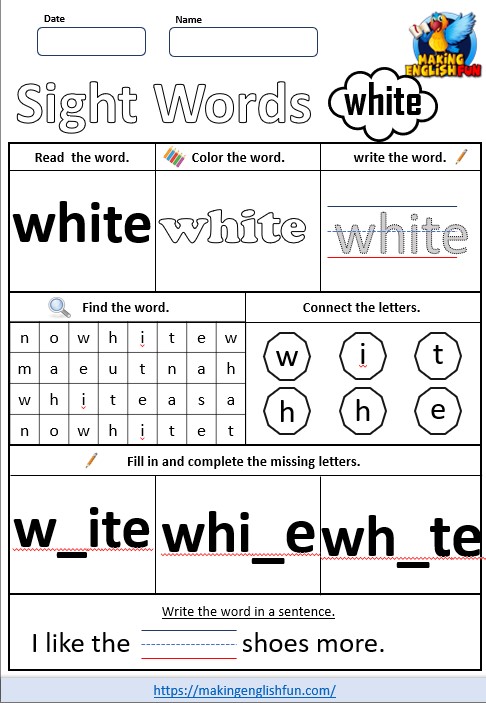
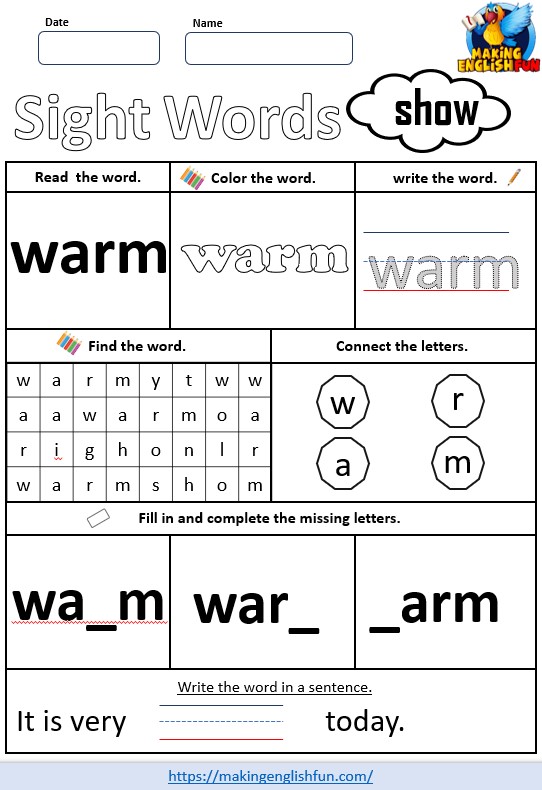
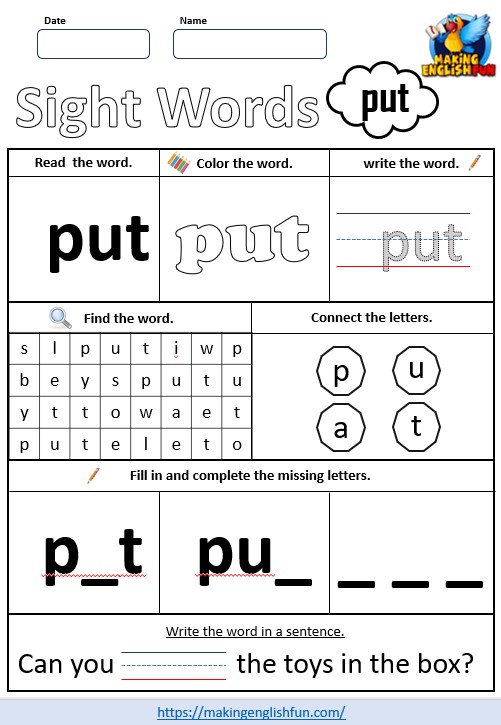
The worksheet for “was” features a variety of activities aimed at promoting recognition, writing, and contextual use of the word.
Through tracing, identification, writing exercises, and sentence construction tasks, students will reinforce their understanding of “was” and its applications, boosting their ability to accurately use “was” in both spoken and written English.
You can download the single sight word worksheet from the link below, and of course we have full sets of sight words linked above.
Step-by-Step Guide to Using the Worksheet
Maximize the benefits of the “was” worksheet with this approach:
- Recognition and Identification: Begin with activities that help students recognize “was” within texts, promoting familiarity and ease of recognition.
- Tracing and Writing: Incorporate tracing exercises to acquaint students with “was,” followed by writing activities to practice spelling and recall.
- Contextual Application: Use tasks that involve “was” in sentences, improving understanding of its usage and encouraging thoughtful application in various contexts.
- Comprehension Activities: Engage students with reading tasks featuring “was,” asking them to demonstrate comprehension of its function in different sentences.
Complementary Learning Resources
Expand the learning experience with additional resources:
- Digital Educational Platforms: Supplement worksheet activities with interactive games and apps focusing on “was” for engaging and dynamic practice.
- Flashcards: Utilize flashcards for quick, effective reviews of “was” and other sight words, facilitating easy and effective reinforcement.
- Group Reading Sessions: Choose books and stories that frequently use “was,” discussing its usage to reinforce understanding and recognition in narrative contexts.
We have more sight word resources here on the site and you can access these resources below as well.
- 25 Sight Word Games
- Is There An Order To Teach Sight Words?
- Sight Word Spelling Worksheets
- How to teach Sight Words And What Are They?
- Sight Words Worksheets: set 1-20
- Sight Words Worksheets: set 21-40
- 25 Free Kindergarten Sight Word Worksheets.
Making Learning Interactive
Interactive methods enhance engagement with “was”:
- Role-Playing Games: Create scenarios that allow students to use “was” in describing past events or states, enhancing verbal fluency and grammatical understanding.
- Creative Writing Prompts: Encourage writing stories or sentences that include “was,” fostering creativity and application.
- Arts and Crafts: Link literacy with creativity through projects visualizing sentences or scenarios involving “was,” merging artistic expression with language learning.
Join Our Vibrant Community
Dive into a supportive network filled with educators, parents, and literacy advocates.
Our community is a treasure trove of teaching advice, worksheets, and interactive games tailored to sight words like “was.”
Share your strategies, successes, and challenges, and discover a wealth of resources designed to inspire and support your educational journey. Together, we can make a significant impact on young learners’ literacy development.
Other Single Sight Word Worksheets
Looking Ahead
Stay engaged with our ongoing efforts to enhance literacy education. We’re committed to providing a broad spectrum of resources, including comprehensive materials for teaching essential sight words and beyond.
Our collective mission is to support young readers in building strong literacy foundations, paving the way for lifelong learning and curiosity.
Together, we’re not just teaching words; we’re fostering a love for reading and writing, one sight word at a time.
Making English Fun!

I have been a teacher of English for over 15 years, in that time i made hundreds and thousands of resources and learnt so much i think its worth sharing. Hopefully to help teachers and parents around the world.