How to Teach English to Refugees: Practical Tips for Teachers and Organizations
For refugees starting a new life in English-speaking countries, learning the language is one of the most critical steps toward integration. English proficiency empowers refugees to navigate daily life, access essential services, and build connections within their communities.
Whether it’s understanding how to fill out paperwork, helping their children with school assignments, or securing a job, language skills are the foundation of independence and success.

Why Teaching English to Refugees is Essential
Teaching English to refugees also fosters a sense of belonging. Many refugees arrive with limited resources and face cultural and social barriers.
Language classes not only provide the skills they need but also create a supportive environment where they can rebuild confidence and connect with others in similar situations.
Key Benefits of Teaching English to Refugees:
- Access to Services: From healthcare to public transportation, understanding English helps refugees navigate their new environments.
- Employment Opportunities: Language proficiency opens doors to better job prospects and vocational training programs.
- Community Integration: Learning the local language allows refugees to participate in community events, make friends, and feel more at home.
Supporting refugees through English language education isn’t just about teaching vocabulary or grammar—it’s about giving them the tools to rebuild their lives and thrive in their new communities.
Understanding the Needs of Refugee Learners
Teaching refugees comes with unique challenges because learners have diverse educational backgrounds, experiences, and levels of exposure to English. Understanding these needs is essential to creating effective lessons.
Diverse Educational Backgrounds
Refugees are not a homogenous group. Some may have advanced degrees but need to learn English for professional settings. Others may have limited formal education or literacy skills in their own language. Tailoring lessons to accommodate this wide range of experiences is key.
Example Needs:
- Highly educated learners may benefit from professional or business English.
- Learners with limited schooling may need foundational literacy skills, like learning the alphabet or basic sentence structures.
Language Challenges
Many refugees may have had little exposure to English before arriving in their host country. This includes:
- Non-Latin alphabets: Learners from countries using scripts like Arabic or Cyrillic may need extra time to adjust to the Roman alphabet.
- False cognates: Words that sound similar in their native language but have different meanings in English can be confusing.
Barriers to Learning
- Trauma: Refugees often experience trauma from displacement, which can impact their ability to focus or engage in learning.
- Inconsistent Attendance: Refugees may face challenges like transportation, family responsibilities, or irregular schedules, making regular class attendance difficult.
How to Assess Learner Needs
- Conduct a simple assessment at the start of the program to gauge literacy levels, speaking abilities, and familiarity with English.
- Use one-on-one conversations to understand each student’s personal goals, such as finding a job, helping their children with school, or improving daily communication skills.
By recognizing the wide variety of needs and challenges refugee learners face, teachers can create lessons that meet students where they are and support them in achieving their goals.

Building a Supportive Learning Environment
Creating a safe, welcoming, and inclusive space is crucial when teaching English to refugees. Many refugees may feel overwhelmed by the challenges of adjusting to a new country while learning a new language.
By fostering a supportive environment, you can help reduce anxiety and build their confidence in using English.
Key Elements of a Supportive Learning Environment
- Focus on Positive Reinforcement:
- Celebrate small achievements to encourage progress. For example, praise correct pronunciation or the successful use of a new word in conversation.
- Avoid overly correcting mistakes, especially in front of peers, as this can discourage participation. Instead, gently guide students toward improvement.
- Encourage Peer Support:
- Pair learners with varying skill levels so they can help each other. More confident students can mentor beginners, creating a sense of community within the classroom.
- Use group activities to build collaboration, such as practicing dialogues or solving vocabulary puzzles together.
- Reduce Fear of Failure:
- Emphasize that mistakes are a natural part of learning. Share examples of times you’ve made errors in learning another language to humanize the process.
Classroom Setup Tips
- Arrange seating in a way that encourages interaction, like small clusters or circles.
- Use visual aids, such as posters with common phrases or vocabulary charts, to make the space feel approachable.
- Post a “phrase of the day” or “word of the week” board to encourage consistent practice.
Teaching Strategies for Refugee Students
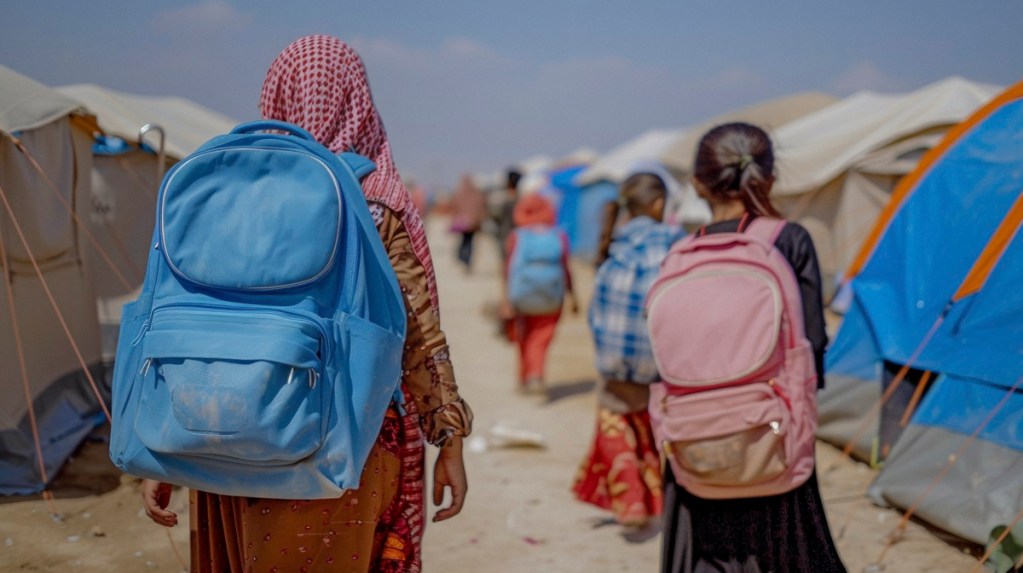
When teaching refugees, it’s essential to prioritize practical, real-life English that they can immediately apply in their daily lives. Refugees often need English for tasks like shopping, using public transportation, and communicating with healthcare providers.
Teaching these functional skills can help them feel more empowered and independent.
Practical ESL Strategies
- Focus on Survival English:
- Teach essential phrases for navigating everyday situations, such as:
- “How much does this cost?”
- “Where is the nearest bus stop?”
- “I need an appointment with the doctor.”
- Use role-playing scenarios to simulate these real-life interactions.
- Teach essential phrases for navigating everyday situations, such as:
- Incorporate Visuals and Realia:
- Use flashcards, images, and real-life objects (like grocery store items or bus schedules) to reinforce vocabulary and context.
- Show short videos of common situations, such as ordering food or visiting a pharmacy, and have students practice dialogues based on the clips.
- Use Simple, Clear Language:
- Speak slowly and clearly, avoiding idioms or overly complex grammar when introducing new concepts.
- Repeat key phrases and provide opportunities for students to practice them in different contexts.
- Interactive Learning:
- Play games like Bingo with common vocabulary or practice conversational skills with “Find Someone Who…” activities.
- Introduce group storytelling exercises to build creativity while practicing sentence structure.
Adapting to Learner Levels
- For beginners, prioritize basic vocabulary and sentence structure. Use repetition and pairing exercises to reinforce learning.
- For intermediate learners, introduce more complex topics like telling stories, describing emotions, or asking follow-up questions in conversations.
Practical Example: Teaching Directions
- Step 1: Show a simple map and teach directional phrases like “turn left,” “go straight,” or “next to.”
- Step 2: Practice with a partner: One student gives directions, and the other follows using the map.
- Step 3: Apply the skill by describing routes to familiar landmarks, such as their home or a local grocery store.

Practical ESL Activities for Refugees
Using engaging, real-world activities in your ESL classroom can help refugee learners practice essential language skills while building confidence. Practical activities also make lessons more interactive, ensuring that students remain motivated and enjoy the learning process.
Examples of Effective ESL Activities
- Picture Bingo
- How it Works: Create Bingo cards with pictures of common items like food, clothing, or transportation. Call out the words, and students mark the corresponding image.
- Why It Works: Helps build vocabulary through visual reinforcement, which is especially helpful for beginner learners.
- Role-Playing Everyday Scenarios
- Examples: Practice scenarios like ordering at a restaurant, asking for directions, or making an appointment.
- Why It Works: Simulates real-life interactions, helping students feel prepared for similar situations outside the classroom.
- Dialogues with Visual Prompts
- How it Works: Use flashcards or illustrations to prompt conversations. For example, a picture of a grocery store can inspire questions like “How much does this cost?”
- Why It Works: Encourages learners to create dialogues using their own words, improving speaking fluency and listening comprehension.
- Listening Activities
- How it Works: Play short audio clips of common conversations, such as a customer at a shop or a person asking for help. Follow up with comprehension questions or a matching exercise.
- Why It Works: Helps students practice listening to native speakers and understanding different accents or speaking speeds.
- Interactive Group Games
- Examples: Word association games, Pictionary, or memory games with vocabulary cards.
- Why It Works: Adds a fun and competitive element to learning, encouraging participation from even the shyest students.
Tips for Success:
- Adapt activities to match the proficiency level of your learners.
- Use repetition to reinforce vocabulary and phrases introduced in earlier lessons.
- Offer positive feedback and encouragement to build confidence during activities.

Addressing Trauma and Emotional Challenges
Many refugees have experienced significant trauma due to displacement, war, or persecution. These experiences can affect their ability to focus, learn, and participate fully in the classroom.
A trauma-sensitive approach to teaching is crucial when working with refugee learners.
Recognizing the Impact of Trauma
- Difficulty Concentrating:
- Refugees who have experienced trauma may struggle with focus or memory, making it harder to retain new information.
- Emotional Triggers:
- Certain topics, images, or discussions might inadvertently trigger past trauma. Teachers should approach sensitive subjects with care.
- Inconsistent Attendance:
- Family responsibilities, medical needs, or transportation barriers may prevent regular attendance, which can disrupt the learning process.
Trauma-Sensitive Teaching Strategies
- Create a Safe Space:
- Establish a classroom environment where students feel supported and respected. Emphasize that mistakes are part of the learning process and that everyone progresses at their own pace.
- Avoid Sensitive Topics:
- Steer clear of discussions or materials that could evoke distress, such as war, violence, or family separation.
- Incorporate Routine and Structure:
- Consistent schedules and predictable lesson formats can help students feel more at ease.
- Be Patient and Flexible:
- Understand that some students may take longer to adjust or might need additional time to complete tasks.
Collaborate with Mental Health Professionals
- Partner with counselors or community organizations that specialize in refugee support. They can provide resources and guidance for addressing trauma in the classroom.
Encourage Expression Through Non-Verbal Activities
- Offer opportunities for students to express themselves creatively, such as drawing, acting, or storytelling. These activities can help them process emotions while building their language skills in a low-pressure way.
Free and Low-Cost Resources for Refugee English Classes
Teaching English to refugees doesn’t have to be expensive. Many free and low-cost resources are available online and through local organizations, making it easier for educators and volunteers to access quality materials.
Leveraging these tools can save time while ensuring lessons are effective and engaging.
Free Online ESL Resources
- BBC Learning English:
- Offers free lessons, videos, and listening exercises tailored to a variety of skill levels.
- Website: BBC Learning English
- Making English Fun
- Thousands of free (and some paid to support the work we do) resources, games, lessons and worksheets.
- Website Resources Link
- Duolingo:
- A language-learning app that provides gamified lessons for vocabulary and grammar.
- Best for supplementing classroom lessons with individual practice.
- ESL Library (Free Trial):
- Now Elllii, A platform with downloadable worksheets, flashcards, and activities. Offers free trials for teachers and nonprofits.
- USA Learns:
- A resource aimed at adult immigrants, with free English lessons focused on daily life and workplace skills.
- Website: USA Learns
Low-Cost Teaching Resources
- Printable Flashcards and Worksheets: Many websites like Teachers Pay Teachers offer affordable, ready-made materials that focus on practical vocabulary.
- Second-Hand Books: Thrift stores or libraries often have ESL-friendly books and beginner-level readers at minimal cost.
- Community Donations: Reach out to local organizations or libraries for donations of supplies like whiteboards, markers, and educational games.
Local Support for Refugee ESL Classes
- Libraries: Many public libraries offer free access to language-learning software and ESL programs.
- Nonprofits and NGOs: Organizations like the International Rescue Committee (IRC) or UNHCR often provide free teaching guides or resources for educators working with refugees.
- Community Centers: Partner with local centers to share resources or borrow materials for classes.
Tips for Maximizing Free Resources
- Combine online tools with in-class activities to provide a well-rounded learning experience.
- Encourage students to use free apps at home for extra practice.
- Use platforms with audio or video content to help students practice listening and pronunciation.
- Bonus Tip: To make the most of video and audio-based learning, Veed, a great capcut alternative offers tools like subtitles, voiceovers, and AI text-to-video features. Educators can create engaging video lessons that help students improve their listening and pronunciation skills by following along with both spoken and written content.

Cultural Sensitivity in the Classroom
Teaching refugees requires an understanding of the cultural norms and traditions that influence how students approach learning. Being culturally aware helps create an inclusive classroom where all learners feel respected and valued.
Understanding Cultural Differences
- Classroom Behavior:
- In some cultures, students may hesitate to ask questions or challenge authority figures. This isn’t a sign of disengagement but often reflects their upbringing and educational experiences.
- Communication Styles:
- Refugees may come from cultures where nonverbal cues (like gestures or facial expressions) carry significant meaning. Others may find direct eye contact uncomfortable.
- Gender Dynamics:
- In certain cultures, men and women may prefer to sit separately or feel uncomfortable interacting closely. Teachers should be mindful of these preferences and adjust classroom dynamics accordingly.
Inclusive Teaching Strategies
- Encourage Open Dialogue:
- Create opportunities for students to share their cultural backgrounds if they feel comfortable. This fosters mutual respect and learning among classmates.
- Use Culturally Neutral Materials:
- Choose examples and scenarios that don’t assume familiarity with Western traditions or concepts. For instance, avoid holiday-specific lessons that focus exclusively on Christmas or Easter.
- Learn Key Cultural Practices:
- Taking time to learn a few key phrases or customs from your students’ cultures can help build rapport and show respect.
Avoiding Cultural Missteps
- Avoid discussing sensitive topics like politics, religion, or family structures unless students bring them up.
- Be cautious with humor or idioms that may not translate well or could unintentionally offend.
Practical Example of Cultural Sensitivity:
- Activity: “Cultural Exchange”
- Ask students to describe a holiday or tradition from their home country. Pair this with an explanation of a neutral or local tradition (e.g., public library days or community events). This encourages speaking practice while fostering cultural understanding.
How Organizations Can Support ESL Teachers and Refugees
Teaching English to refugees is a collaborative effort that goes beyond the classroom. Organizations play a critical role in providing teachers with the tools, training, and emotional support they need to deliver impactful lessons.
By creating a robust network of resources, agencies and nonprofits can ensure that both teachers and learners succeed.
How Organizations Can Support ESL Teachers
- Provide Specialized Training:
- Offer workshops on trauma-informed teaching, cultural sensitivity, and practical ESL strategies for refugees.
- Include role-playing exercises to help teachers handle real-world challenges like mixed-level classes or learners with limited literacy.
- Create Resource Libraries:
- Develop a centralized hub of teaching materials, such as printable worksheets, lesson plans, and language games tailored to refugee learners.
- Include digital tools like flashcard apps or interactive games for teachers to integrate into their lessons.
- Emotional and Peer Support:
- Set up teacher support groups where educators can share experiences, challenges, and advice.
- Provide access to counselors or mental health professionals to help teachers manage stress and burnout.
How Organizations Can Support Refugee Learners
- Remove Barriers to Attendance:
- Offer childcare services or transportation subsidies to ensure consistent attendance.
- Provide flexible schedules to accommodate learners with family or work responsibilities.
- Foster Community Partnerships:
- Partner with local businesses to provide job-shadowing opportunities or internships for advanced learners.
- Collaborate with libraries, community centers, and faith-based organizations to expand access to language classes.
- Offer One-on-One Mentoring:
- Pair refugees with mentors who can help them navigate both the language and the culture of their new home.
Success Stories: Positive Impacts of Refugee ESL Programs
Teaching English to refugees not only transforms individual lives but also strengthens communities. Success stories highlight the tangible benefits of refugee ESL programs and inspire others to get involved.
Story 1: A Refugee Learner Achieving Career Success
Ali, a Syrian refugee in the UK, arrived with limited English but years of experience as a mechanic. Through a community ESL program, he gained the language skills needed to apply for jobs, pass certification exams, and eventually open his own auto repair business. Today, Ali employs two apprentices, both from refugee backgrounds, creating a ripple effect of empowerment.
Story 2: Building Confidence and Community
In New Zealand, a nonprofit ESL class focused on conversational English helped Fatima, a single mother from Afghanistan, connect with other parents at her child’s school. With newfound confidence, she became a volunteer at the school and is now planning to train as a teaching assistant.
Story 3: Overcoming Barriers to Education
In the USA, Maria, a refugee from Venezuela, struggled to attend classes due to childcare responsibilities. A local organization stepped in to provide free childcare during lessons. With uninterrupted time to focus, Maria advanced quickly and is now studying to become a nurse.
Key Takeaways from Success Stories
- Language Builds Independence: English proficiency enables refugees to navigate life, from job markets to community events, with confidence.
- Ripple Effects Strengthen Communities: When refugees achieve success, they often give back by mentoring others or starting businesses that benefit their local area.
- Support Systems Make a Difference: Flexible scheduling, emotional encouragement, and tailored resources play a critical role in turning challenges into achievements.
Sharing these stories not only celebrates the resilience of refugees but also highlights the importance of sustained support from teachers, organizations, and communities.
Conclusion
Teaching English to refugees is not just about language—it’s about empowerment, connection, and integration. By equipping refugees with essential communication skills, educators and organizations help unlock opportunities that transform lives and strengthen communities.
Whether it’s creating a supportive classroom environment, addressing the unique challenges of trauma, or tailoring lessons to meet practical needs, every effort contributes to a refugee’s journey toward rebuilding their life. With the right resources, cultural sensitivity, and a collaborative approach, teachers and support organizations can make a lasting impact.
For those looking to get started or enhance their current programs, remember:
- Focus on practical English that meets immediate needs.
- Embrace a trauma-sensitive and inclusive approach to teaching.
- Leverage free and low-cost resources to make lessons accessible.
FAQ Section
Q: What are the biggest challenges when teaching English to refugees?
A: Refugees often face unique challenges, such as:
- Language Barriers: Some may not have basic literacy skills, even in their native language.
- Trauma and Emotional Struggles: Past experiences of displacement or violence can impact focus and participation.
- Practical Obstacles: Inconsistent attendance due to family responsibilities or transportation issues.
Q: How do I help refugee learners who have experienced trauma?
A: Adopt a trauma-sensitive approach by:
- Creating a predictable routine in the classroom.
- Avoiding sensitive topics that might trigger emotional distress.
- Encouraging creative expression through drawing, storytelling, or acting.
Partnering with mental health professionals can also provide additional support.
Q: Are there free resources for teaching English to refugees?
A: Yes! Many websites and organizations offer free materials, including:
- BBC Learning English: Free lessons and videos for various levels.
- Duolingo: A gamified app for vocabulary and grammar practice.
- USA Learns: Focused on adult learners and everyday English.
- Local libraries and nonprofits often provide free printables or ESL program access.
Q: How can organizations better support ESL teachers working with refugees?
A: Organizations can provide:
- Teacher Training: Focused on trauma-informed teaching and cultural sensitivity.
- Resource Libraries: Including lesson plans, games, and multimedia tools.
- Peer Networks: Support groups for teachers to share challenges and solutions.
Additionally, offering childcare or transportation subsidies for learners can improve attendance and reduce stress for both students and educators.
Making English Fun!

I have been a teacher of English for over 15 years, in that time i made hundreds and thousands of resources and learnt so much i think its worth sharing. Hopefully to help teachers and parents around the world.