Teaching the E Letter Sound
Understanding and correctly pronouncing the ‘E’ sound can significantly impact reading fluency and comprehension.
This guide aims to provide educators, parents, and caregivers with the necessary tools and strategies to effectively teach the ‘E’ sound, supporting learners at various stages of their language development journey.

Understanding the ‘E’ Sound
The letter ‘E’ is unique due to its ability to represent multiple sounds.
- The most common are the short ‘e’ sound, as heard in ‘bed’, and the long ‘e’ sound, as in ‘beet’.
- Additionally, the ‘E’ can be silent, subtly influencing the pronunciation of other letters in a word, like in ‘cake’.
Articulating these sounds correctly involves understanding the placement and movement of the tongue, lips, and breath.
Educators should demonstrate these positions, emphasizing the differences between the short and long sounds, to help learners accurately produce the ‘E’ sound.
Examples of Words with the ‘E’ Sound
To assist learners in mastering the ‘E’ sound, it is beneficial to introduce words that incorporate the short and long ‘E’ sounds, as well as the silent ‘E’.
Below is a structured overview:
| Sound Type | Examples |
|---|---|
| Short ‘e’ Sound | bed, pen, lemon, ten |
| Long ‘e’ Sound | beet, me, theme, receive |
| Silent ‘E’ | cake, theme, scale, ride |
By familiarizing learners with these examples, teachers and parents can help students recognize and practice the different ‘E’ sounds, enhancing their phonetic skills and reading proficiency.
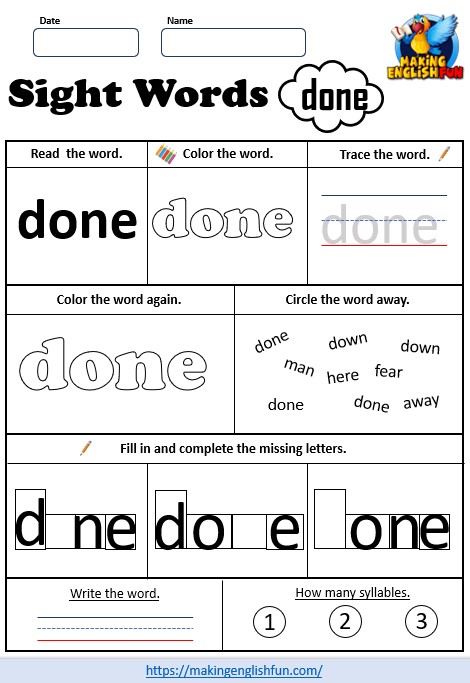
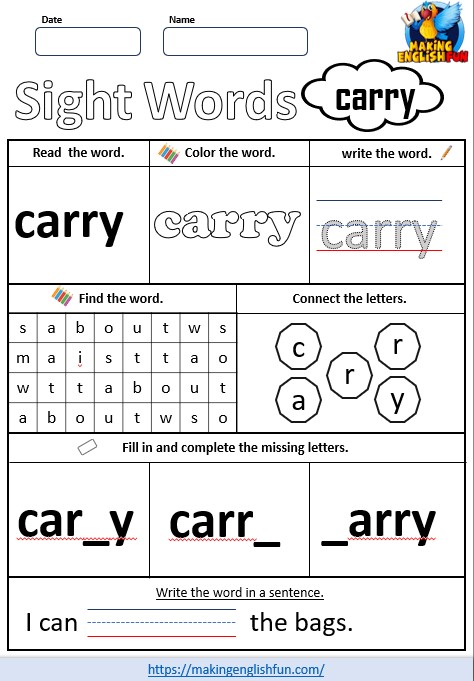
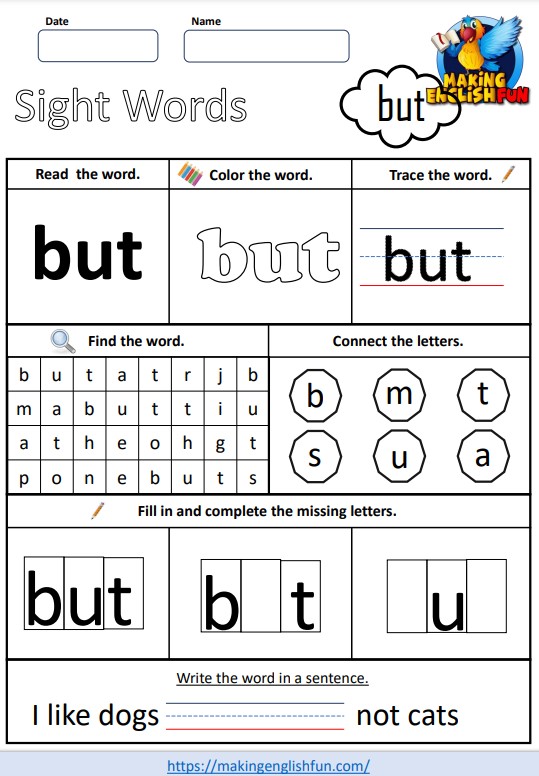
We also have a list of short E words, as well as many magic E and long E worksheets and resources here on the site as well. You can download the E words and many examples from the link below.
Strategies for Teaching the ‘E’ Sound
Effective instruction of the ‘E’ sound combines visual, auditory, and kinesthetic learning strategies to accommodate diverse learner preferences.
Here are several approaches:
- Visual Aids: Utilize visual aids such as flashcards, charts, and storybooks that highlight words with the short and long ‘E’ sounds. Visual representations can help students make connections between the letter ‘E’ and its various sounds.
- Auditory Methods: Implement songs, rhymes, and phonetic exercises that focus on the ‘E’ sound. Auditory reinforcement can aid in distinguishing between the short and long ‘E’ sounds, improving students’ listening skills and pronunciation.
- Articulation Techniques: Demonstrate the proper mouth and tongue positions for articulating the short and long ‘E’ sounds. Encourage students to mirror these movements and practice them regularly to develop clear and correct pronunciation.

Engaging Activities for Reinforcing the ‘E’ Sound
To reinforce students’ understanding and pronunciation of the ‘E’ sound, consider the following interactive and hands-on activities:
- Crafting Activities: Engage students in creating ‘E’ sound crafts, such as decorating ‘E’ letters with items that start with the ‘E’ sound (e.g., ‘eggs’ for short ‘e’, ‘leaves’ for long ‘e’). This activity combines art with phonics, making learning fun and memorable.
- Phonics Games: Organize phonics games that focus on differentiating between the short and long ‘E’ sounds. Games such as ‘E’ sound bingo, word sorting, or matching activities can be both educational and entertaining.
- Word Sorting: Have students participate in word sorting activities where they categorize words based on the ‘E’ sound they contain. This can help reinforce their understanding of the sound’s different manifestations and spelling patterns.
Integrating the ‘E’ Sound into Everyday Learning
Incorporating the ‘E’ sound into daily learning activities can enhance students’ familiarity and fluency with this phoneme:
- Daily Practices: Create daily routines that involve the ‘E’ sound, such as identifying objects with the ‘E’ sound during a classroom scavenger hunt or during a walk.
- Reading Practice: Select reading materials that emphasize the ‘E’ sound. Highlight ‘E’ words prior to reading and review them afterward to reinforce recognition and pronunciation.
- Collaborative Learning: Facilitate group activities where students can practice the ‘E’ sound together. Encourage them to read aloud, share ‘E’ sound words they have found, or create stories that include a set number of ‘E’ sound words.

Assessment and Feedback
Regular assessment and constructive feedback are essential for monitoring progress and ensuring learners understand the ‘E’ sound:
- Monitoring Progress: Use various assessment tools, such as oral reading, phonics worksheets, and spelling tests, to evaluate students’ mastery of the ‘E’ sound. Pay particular attention to their ability to differentiate between the short and long ‘E’ sounds.
- Providing Constructive Feedback: Offer immediate, positive feedback to reinforce correct pronunciations and gently correct any mistakes. Use mistakes as learning opportunities, demonstrating the correct sound and providing examples for practice.
Teaching the ‘E’ Sound to Different Age Groups
Tailor your teaching approach to accommodate the varying needs and abilities of different age groups:
- PreK/Kindergarten: Focus on the short ‘E’ sound through simple, engaging activities such as song singing and crafts. Use visual aids extensively and encourage mimicry and repetition.
- Grade 1/ESL Learners: Introduce both short and long ‘E’ sounds with more structured activities. Incorporate reading and writing tasks to reinforce the sounds and their associated spelling patterns.
- Adult Learners: For adults, especially ESL learners, emphasize practical application and correct pronunciation. Use real-life examples and context to illustrate the use of the short and long ‘E’ sounds in everyday communication.
Downloads and Resources
Enhance the learning experience with additional resources:
You can download Letter ‘W’ Worksheets and Alphabet resources on the links below.
- 26 Picture Alphabet worksheets and Answer Keys.
- Free Alphabet Tracing worksheets
- 26 Alphabet and ABC Picture Worksheets Fully Editable Version
- Free Animal Alphabet Flashcards
- 26 Alphabet and ABC Picture Worksheets FREE Version
- Alphabet Flashcards and Pictures
- 14 of the Best Free Online Short Vowel Phonics Games.
- Short E Sound Words and Lists
Conclusion
Teaching the ‘E’ sound is a vital part of phonics education that lays the foundation for effective reading and writing skills.
By employing varied teaching strategies and engaging activities, educators can ensure students develop a strong understanding of this fundamental sound.
Remember, the key to successful phonics instruction is patience, consistency, and adaptability to each learner’s needs.
Call to Action
Encourage educators and parents to apply these strategies and share their experiences and insights.
Collaborative efforts can lead to more effective teaching methods and a deeper understanding of phonics among learners.
For additional resources, tips, and support, visit MakingEnglishFun.com and explore a wide range of materials designed to make English learning engaging and accessible for all.
Further resources
- https://www.readingbyphonics.com/letter-sounds/e.html
- https://theglobalmontessorinetwork.org/resource/primary/pronunciation-e-english
- https://thriveedservices.com/how-to-teach-long-e-words
Making English Fun!

I have been a teacher of English for over 15 years, in that time i made hundreds and thousands of resources and learnt so much i think its worth sharing. Hopefully to help teachers and parents around the world.