FREE Pre – K Dolch Sight Word Worksheets – ‘you’
The sight word “you” is a fundamental pronoun in the English language, essential for young learners as it enables them to address others directly, fostering a sense of connection and interaction.
Aimed at educators, ESL instructors, and parents, this guide includes a printable worksheet designed to help children master the sight word “you,”
Improving their communicative abilities and enriching their understanding of personal and social dynamics within language.

you can see the full sets on the links below.
The Role of Sight Words
Sight words such as “you” are pivotal for achieving reading fluency. These words, recognized on sight, streamline the reading process and aid in comprehension.
“You” is particularly significant as it helps young readers and writers to engage in dialogue, understand narrative perspectives, and navigate social interactions through text.
Overview of ‘You’
For an in-depth understanding of the sight word “you” and its usage, here’s a concise summary:
| Aspect | Details |
|---|---|
| Sight Word | “you” |
| Meaning | The pronoun used to refer to the person or people being addressed. |
| Example | “Can you help me?” |
| Type of Word | Pronoun |
Free Sight Word ‘You’ Worksheet
Our worksheet for “you” offers targeted exercises to reinforce learners’ familiarity with this personal pronoun.
Access to high-quality, accessible educational materials is key to supporting equitable learning opportunities, enabling students from various backgrounds to enhance their literacy and social skills.
You can download the printable sight word worksheet below and there are links to full sets of sight word worksheets above and below.
Activities for ‘You’
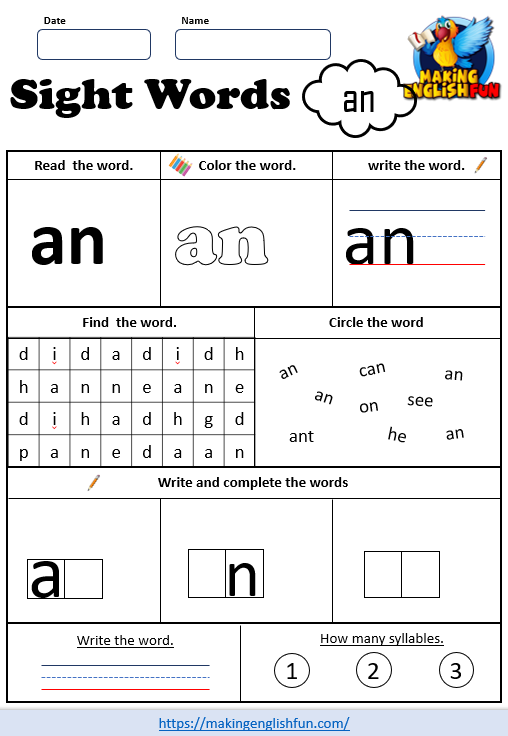
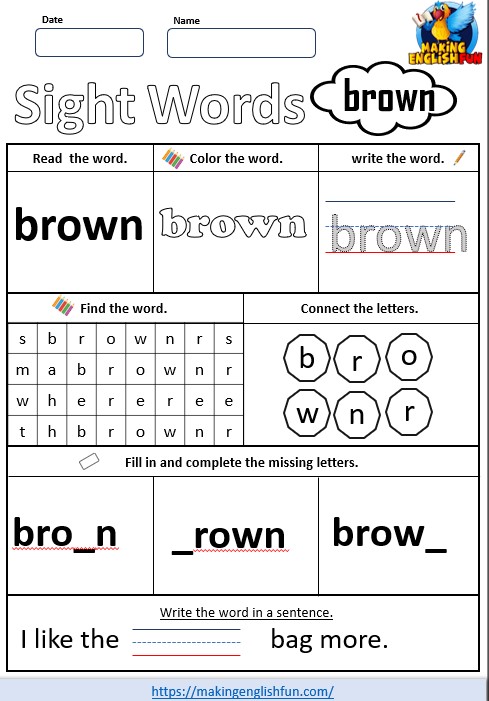
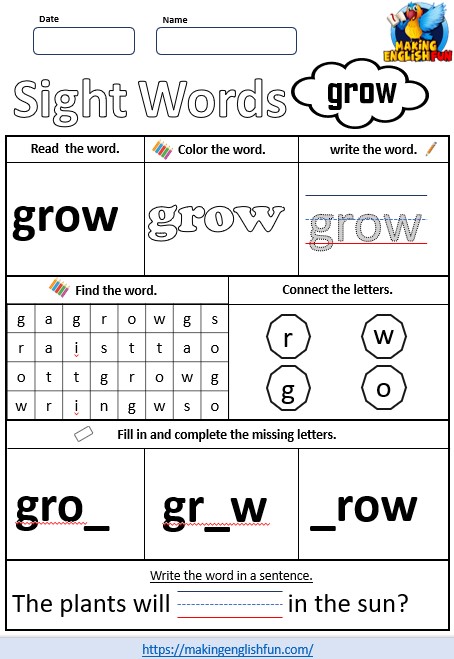
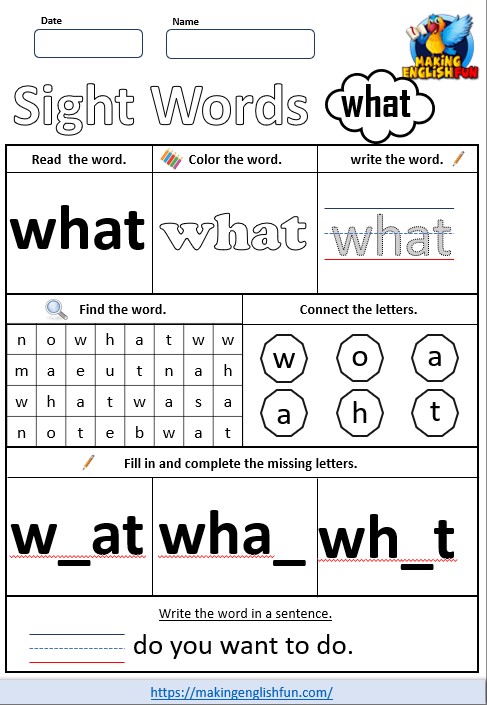
The worksheet dedicated to “you” includes:
- Tracing activities to familiarize students with “you.”
- Word recognition tasks for identifying “you” within texts, enhancing word recognition skills.
- Sentence construction activities using “you,” reinforcing its use in direct address and social communication.
Implementing the ‘You’ Worksheet
Effectively using the “you” worksheet involves:
- Recognition: Start with activities that help students recognize “you” in spoken and written forms, enhancing familiarity.
- Tracing and Writing: Include tracing exercises for “you,” complemented by writing tasks to solidify understanding and spelling.
- Contextual Use: Encourage the application of “you” in sentences, role-plays, or letters to deepen comprehension of its role in personal communication.
Supplementary Learning Resources
To enrich the learning experience, consider incorporating:
- Digital Learning Platforms: Engaging games and apps that emphasize the word “you” for interactive and educational reinforcement.
- Flashcards: Flashcards featuring “you” for swift, effective review and reinforcement.
- Engaging Reading Materials: Select books and stories that use “you” frequently, encouraging discussions about dialogue and point of view.
We have more sight word resources here on the site and you can access these resources below as well.
- 25 Sight Word Games
- Is There An Order To Teach Sight Words?
- Sight Word Spelling Worksheets
- How to teach Sight Words And What Are They?
- Sight Words Worksheets: set 1-20
- Sight Words Worksheets: set 21-40
- 25 Free Kindergarten Sight Word Worksheets.
Creative Approaches to Learning ‘You’
Boost engagement and understanding of “you” through creative methods:
- Art Projects: Encourage artwork or crafts that express messages using “you,” linking creativity with literacy.
- Writing Prompts: Challenge learners to write letters or messages addressing “you,” fostering personal expression and application.
- Role-Playing: Organize activities where children use “you” in conversations or scenarios, enhancing their verbal skills and understanding of social interactions.
Conclusion
With the free “you” sight word worksheet and a variety of engaging activities, educators, parents, and caregivers are well-equipped to guide young learners in mastering this essential sight word.
Understanding and using “you” not only bolsters children’s grammatical skills but also encourages empathy, respect, and effective communication, laying a solid foundation for lifelong literacy and interpersonal relationships.
Making English Fun!

I have been a teacher of English for over 15 years, in that time i made hundreds and thousands of resources and learnt so much i think its worth sharing. Hopefully to help teachers and parents around the world.