Vowel Teams Word Lists and Syllables
Welcome to the world of vowel teams, an often tricky part of learning to read and write in English!
Vowel teams, also known as vowel pairs or digraphs, play a vital role in shaping the way words sound and are spelled. This article covers these unique syllable types.

Understanding Vowel Team Syllables
Vowel team syllables are formed when two vowels stand together in a syllable and produce one sound. Unlike other syllable types where vowels may have a long or short sound, vowel teams often create unique sounds that are essential for pronunciation.
For example, the ‘oa’ in ‘boat’ or the ‘ee’ in ‘tree’ are classic examples of vowel teams where two vowels combine to make one distinct sound.
Understanding these syllables is key to mastering reading and spelling since they frequently appear in a wide array of English words.
Just to make sure we are on the same page I made a YouTube video on “What are Vowel Teams.” (We are rebuilding the channel and your view would really help!)
Common Vowel Teams in English
Diving into the alphabet soup, we find a variety of vowel teams that each bring their own flavor to English words.
Common vowel teams include ‘ai’ as in ‘rain’, ‘ea’ as in ‘bread’, ‘oi’ as in ‘coin’, and ‘ue’ as in ‘blue’.
Each team has its own set of rules and sounds.
For instance, ‘oa’ usually has a long ‘o’ sound as in ‘boat’, while ‘ei’ can sound like ‘ee’ in ‘receive’.
It’s a phonetic adventure, navigating these combinations and understanding their nuances in different words.
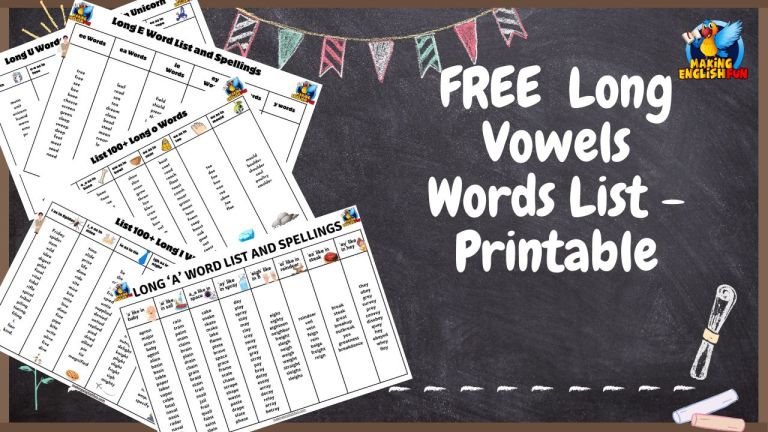
You can download the vowel teams word lists below the following section.
Vowel Team Words Lists
Now, let’s lace up our word sneakers and run through some lists of vowel team words.
These lists are invaluable for teaching and learning, providing clear examples of how vowel teams operate in various contexts.
- AI Words: rain, train, plain, gain, explain
- EA Words: bread, head, read, bead, treat
- OI Words: coin, oil, spoil, toil, join
- UE Words: blue, clue, true, argue, statue
- OU: Found in words like “out,” “shout,” and “cloud.” This vowel team often produces a sound similar to the /aʊ/ in “house.”
- OW: As in “snow,” “blow,” and “arrow.” This team typically has a long ‘o’ sound, but it can also sound like /aʊ/ as in “cow” or “plow.”
- AU: Used in words such as “author,” “autumn,” and “applaud.” It often sounds like /ɔː/ as in “law.”
- AW: Found in words like “paw,” “draw,” and “saw.” This team usually produces a sound similar to /ɔː/.
- OI: As in “boil,” “coin,” and “soil.” This vowel team produces a distinctive /ɔɪ/ sound.
- OO: This team can produce two different sounds: the long /uː/ sound as in “moon” and “soon,” or the shorter /ʊ/ sound as in “book” and “foot.”
- EA: Can produce different sounds such as the long /iː/ in “read” (present tense) and “bead,” or a short /ɛ/ as in “bread” and “head.”
- IE: This team can be found in words like “piece,” “believe,” and “field.” Generally, it produces a long /iː/ sound.
- EI: Seen in words like “ceiling,” “vein,” and “their.” The sound can vary, but often it’s /iː/ or /aɪ/.
- EY: Found in words such as “key,” “donkey,” and “valley.” It typically has a long /iː/ sound.
You can download the table above covering vowel team word lists for reference on the link below
Optional classroom tools we use to save time with this activity
If you’re using these resources and activities regularly, these are the three tools we rely on to reduce prep and make practice smoother.
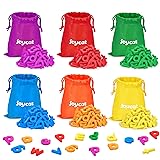
Magnetic letters — faster hands-on spelling and word building without printing or cutting. a big set saves time TRUST US ON THIS 😛

Dry-erase pockets — reuse the same worksheet all week and save ink, paper and the planet!.

Phonics Cards: Such a time saver saves printing and cutting and can be used for all phonics games and activities

Teaching Strategies for Vowel Teams
When it comes to teaching vowel teams, a blend of clarity, repetition, and engagement is key. Here are some strategies that can make learning these syllables more effective:
- Visual Aids and Mnemonics: Use charts and visual aids to illustrate vowel teams and their sounds. Mnemonics can also be helpful, like remembering ‘ai’ as in ‘rain’ to associate the sound with a common word.
- Phonetic Pattern Recognition: Teach students to recognize patterns in vowel teams. For instance, ‘oa’ often has a long ‘o’ sound, while ‘ee’ typically sounds like a long ‘e’. This pattern recognition can help in decoding unfamiliar words.
- Word Sorting Activities: Engage students in sorting activities where they group words based on their vowel teams. This not only reinforces the vowel teams but also aids in vocabulary development.
- Reading Aloud and Contextual Learning: Incorporate vowel team words in reading exercises. Reading aloud helps students hear the vowel team sounds in context, enhancing their understanding and pronunciation.
Classroom Activities and Exercises
To reinforce the concept of vowel teams in a fun and interactive way, consider these classroom activities:
- Vowel Team Bingo: Create bingo cards with vowel team words. As you call out the words, students can mark them on their cards, making learning a fun game.
- Fill-in-the-Blank Stories: Develop stories with missing vowel team words. Students can fill in the blanks with appropriate words, applying their knowledge in a creative context.
- Word Scavenger Hunt: Organize a scavenger hunt where students find vowel team words in books, magazines, or around the classroom. This activity encourages exploration and application of their phonetic knowledge.
- Create-Your-Own Vowel Team Book: Students can create their own illustrated books using a variety of vowel team words. This activity promotes creativity while reinforcing their learning.
Advanced Vowel Teams and Exceptions
Venturing deeper into the world of vowel teams, we encounter more advanced combinations and a few exceptions to the standard rules.
- For instance, the vowel team ‘ei’ can have different sounds as in ‘ceiling’ and ‘weigh’.
- Similarly, ‘oo’ can sound like ‘book’ or ‘moon’, demonstrating variability in pronunciation.
It’s important to highlight these exceptions and more complex vowel teams, such as ‘eigh’ in ‘eight’ and ‘aigh’ in ‘straight’, to provide students with a comprehensive understanding of the intricacies of English spelling and pronunciation.
The Difference Between Vowel Teams and Vowel Diphthongs
In the exploration of English phonics, understanding the differences between vowel sounds is pivotal.
Among these, vowel teams and vowel diphthongs stand out as critical components. While both concepts relate to the combination of vowels to produce unique sounds, they differ in their nature and application.
Vowel Teams Explained
Vowel teams consist of two vowels sitting side by side within a word, working together to create a single sound. This collaboration often results in either a long vowel sound or a special vowel sound.
Vowel teams can be categorized into two main types: those that produce a long vowel sound (e.g., “ea” in “read” or “ie” in “pie”) and those that create unique sounds (e.g., “oy” in “toy” or “aw” in “saw”).
The concept of vowel teams is foundational in teaching reading and spelling, as it helps learners understand how vowels can combine to make sounds that are not necessarily related to their individual sounds.
Vowel Diphthongs Explained
Vowel diphthongs, on the other hand, are a complex blend of two vowel sounds within the same syllable, where the sound begins as one vowel and glides into another.
This creates a unique sound that is different from the sounds of the vowels when they are pronounced separately.
Examples of vowel diphthongs in English include the “oi” sound in “coin” and the “ou” sound in “cloud.”
Unlike vowel teams that may produce a stationary vowel sound, diphthongs are dynamic, involving a noticeable transition between two sounds.
The Difference Between Vowel Digraphs and Vowel Diphthongs
To further demystify the landscape of vowel sounds in English, it’s essential to distinguish between vowel digraphs and vowel diphthongs, as both terms are often encountered in phonics education but serve different roles.
Vowel Digraphs Explained
Vowel digraphs are closely related to vowel teams, as they also consist of two vowels that come together to produce one sound.
However, the term “vowel digraph” specifically refers to pairs of vowels that result in a single, distinct vowel sound, either long or short.
For instance, “ea” in “bread” produces a short vowel sound, whereas “ea” in “dream” gives a long vowel sound.
Vowel digraphs are a key concept in learning to read and write because they challenge the conventional wisdom of “one letter, one sound” and introduce the idea that combinations can produce unique sounds.
Vowel Diphthongs vs. Vowel Digraphs
While vowel digraphs are about the combination of vowels producing a single, consistent vowel sound, vowel diphthongs are about the glide from one vowel sound to another within the same syllable.
Diphthongs add a layer of complexity to vowel sound instruction, emphasizing the dynamic nature of vowel pronunciation, where the mouth changes shape mid-syllable to produce the sound.
In summary, while vowel teams (or digraphs) and diphthongs involve combinations of vowels, they differ significantly in how they influence the sounds produced.
Vowel teams and digraphs focus on creating a singular sound that may not directly correlate with the sounds of the individual vowels involved. In contrast, diphthongs emphasize the movement or transition between two distinct vowel sounds within the same syllable.
Here is another opportunity to download the Vowel Teams Word lists table here as well.
Conclusion
From simple combinations like ‘ai’ in ‘rain’ to more complex ones like ‘eigh’ in ‘eight’, understanding vowel teams is crucial for effective reading and spelling.
The strategies and activities discussed provide educators with a toolkit to make teaching vowel teams an engaging and rewarding experience.
As students become more familiar with these phonetic patterns, their confidence and competence in navigating the rich landscape of the English language will undoubtedly grow.
Additional Resources
- https://thriveedservices.com/vowel-team-syllable-diphthongs-digraphs
- https://www.teacherspayteachers.com/Product/Vowel-Team-Syllables-Ultimate-Word-List-4095262
- https://www.olatheschools.org/cms/lib/KS01907024/Centricity/Domain/3238/PDF%20Decodable%20Word%20List-vowel%20teams.pdf
Making English Fun!

I have been a teacher of English for over 15 years, in that time i made hundreds and thousands of resources and learnt so much i think its worth sharing. Hopefully to help teachers and parents around the world.