What are ‘Glued Sounds” in English
Phonics is a fundamental method used in teaching reading and writing, especially in early education. Within phonics, one intriguing aspect is the concept of ‘glued sounds’ or ‘welded sounds.’
These are unique sound combinations that, when put together, create a distinct sound.
Glued sounds in phonics are letter combinations that form distinct sounds, crucial for reading fluency. Common examples include -ng (as in ‘ring’), -nk (as in ‘bank’), -all (as in ‘ball’), -am (as in ‘jam’), and -an (as in ‘fan’). They produce different sounds to consonant blends and digraphs.
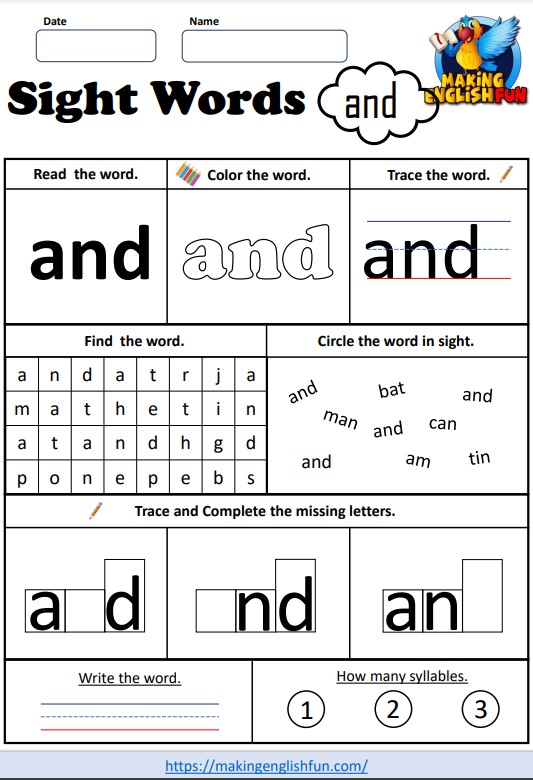
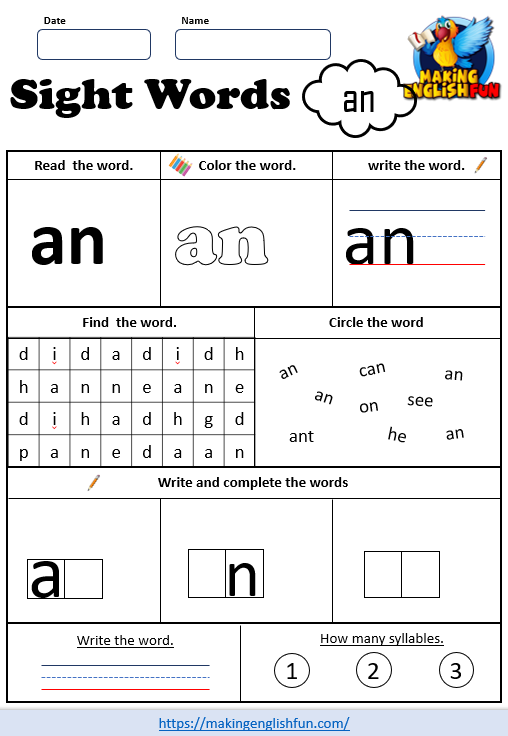
We take a look at glued or welded sounds below and have a downloadable and printable table to use as well.

Understanding Glued Sounds
Glued sounds in phonics are letter combinations that frequently appear together and produce a specific, unified sound.
These are different from digraphs, where two letters make one sound, and blends, where each letter maintains its sound but is pronounced closely with another.
Glued sounds are not as straightforward as digraphs or blends because they form a sound that can be slightly different from the individual sounds of the letters involved.
Understanding these sounds is a key step in phonics education, as it helps learners decode words more efficiently and improves their spelling skills.
Recognizing glued sounds allows students to read more complex words with confidence and ease.
Common Glued Sounds in English
Glued sounds are common in phonics learning, and several common glued sounds appear frequently in English.
Here are some of the key glued sounds:
- -ng: A sound found at the end of words like “ring” or “long.”
- -nk: This sound is common in words like “bank” and “think.”
- -all: Used in words such as “ball” and “call.”
- -am: Appears in words like “ham” and “clam.”
- -an: Found in words like “fan” and “plan.”
- -ing: Found in words like “singing”, and “bringing”
These sounds often challenge learners because the way they are pronounced in combination can differ from how each letter would typically sound alone.
We have a table below with examples and then also a printable glued sounds table for you under this.
| Glued Sound | Examples |
|---|---|
| -ng | ring, long, sing, hang, bang |
| -nk | bank, think, sink, wink, honk |
| -all | ball, call, tall, small, fall |
| -am | ham, clam, jam, slam, tram |
| -an | fan, plan, van, tan, can |
| -ing | singing, playing, running, jumping, swimming |
Table of Glued Sounds with Examples:

This table provides a clear illustration of how glued sounds are used in common words, aiding in recognition and pronunciation.
The Role of Glued Sounds in Reading and Spelling
In reading, recognizing these glued sound patterns allows students to decode words more quickly and efficiently, contributing to smoother and more fluent reading.
For spelling, understanding glued sounds helps in accurately constructing words, especially those that don’t follow straightforward phonetic rules.
Teaching glued sounds effectively can significantly reduce the confusion that learners often face with English phonetics.
It equips them with the tools to tackle a wide array of words, enhancing both their reading comprehension and writing abilities.
Teaching Strategies for Glued Sounds
Teaching glued sounds requires strategies that emphasize recognition and practice.
Here are some effective methods:
- Phonetic Drills: Regular practice with phonetic drills can help students familiarize themselves with glued sounds. This can involve reading lists of words that include specific glued sounds.
- Word Sorting Activities: Sort words based on their glued sounds. This visual and interactive approach reinforces the recognition of patterns.
- Spelling Games: Incorporate glued sounds into spelling games. This makes learning fun and engaging, especially for younger students.
- Reading Aloud: Encourage students to read aloud texts that contain a variety of glued sounds. Listening to their own pronunciation helps in internalizing these sounds.
- Writing Exercises: Assign creative writing tasks where students use words with different glued sounds. This helps in applying their knowledge practically.
Challenges and Solutions
While glued sounds are a fundamental part of phonics, they can present challenges, particularly for learners who are not native English speakers or those with learning difficulties.
Common challenges include distinguishing between similar-sounding glued sounds and applying these rules in spelling.
Solutions include:
- Repetition and Reinforcement: Regular practice with reading and spelling exercises can solidify understanding.
- Multisensory Learning: Incorporate activities that engage multiple senses, like writing words while saying the sounds aloud.
- Customized Learning Materials: Tailor materials to address specific difficulties a student may have with certain glued sounds.
Additional Resources
For further exploration and practice of glued sounds, a variety of resources are available:
- Educational Websites and Apps: Websites like PBS Kids and Starfall offer interactive phonics games and activities.
- Phonics Workbooks: Books such as “Explode The Code” provide structured phonics exercises, including practice with glued sounds.
- Teacher Forums and Online Communities: These platforms allow educators to share strategies and resources for teaching phonics.
- YouTube Channels: Channels dedicated to phonics education can offer visual and auditory learning resources.
Conclusion
Understanding glued sounds bridges the gap between basic phonetic rules and the complex reality of English spelling and pronunciation.
- For teachers, teaching this knowledge is an essential part of developing literacy.
- For students, learning these rules is key to developing confidence and proficiency in their language skills.
Further Resources
- https://learningattheprimarypond.com/blog/what-are-glued-sounds-what-are-some-ideas-for-teaching-glued-sounds/
- https://www.teacherspayteachers.com/browse/free?search=glued%20sounds
- https://www.ateachableteacher.com/downloads/glued-sounds-worksheets-for-reading-intervention/
- https://cdn.thisreadingmama.com/wp-content/uploads/2016/12/WSSpellMats.pdf
- https://www.fromsoundstospelling.com/blog/free-phonics-activities-printables
Making English Fun!

I have been a teacher of English for over 15 years, in that time i made hundreds and thousands of resources and learnt so much i think its worth sharing. Hopefully to help teachers and parents around the world.