What is the Reciprocal Teaching Strategy?
Reciprocal Teaching is a collaborative instructional approach characterized by a guided dialogue between teachers and students, focusing on the joint construction of meaning and understanding from texts.
This approach emphasizes the active engagement of learners through dialogue, fostering deeper comprehension and critical thinking skills.
In this article, we will explore the fundamentals of Reciprocal Teaching, its impact on learning, and how it transforms the traditional educational narrative.
Understanding Reciprocal Teaching
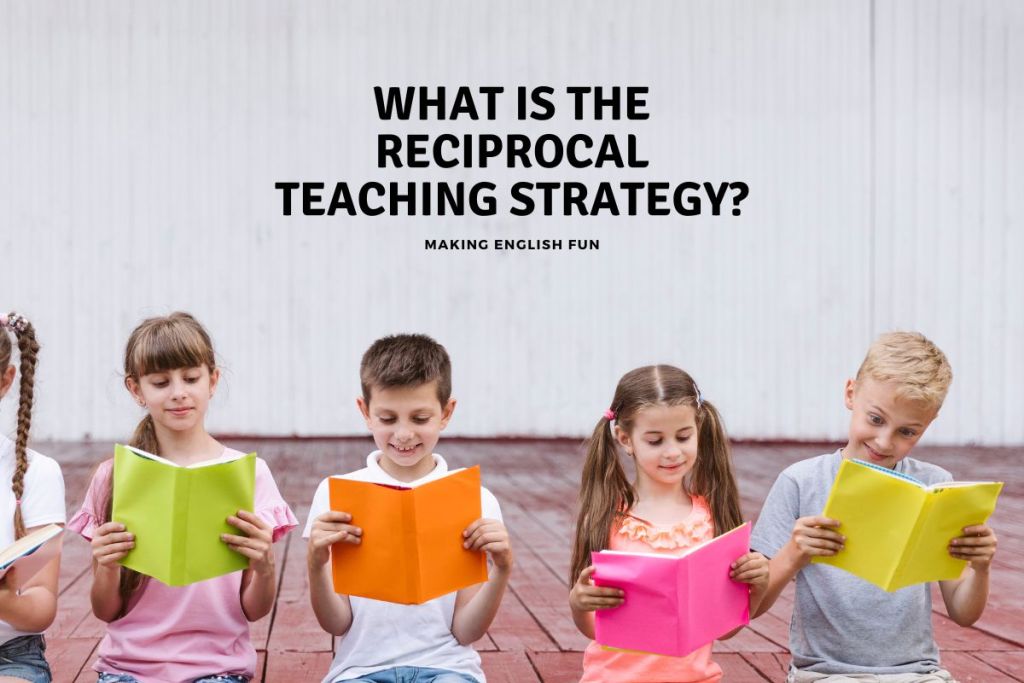
Reciprocal Teaching is an interactive teaching strategy where students and teachers engage in a dialogue about the content of a text. The primary aim is to enhance students’ comprehension skills through structured discussion and to give them ownership and a greater role in their learning.
- Core Principles: It involves teaching students to take turns leading a dialogue, using four specific cognitive strategies: summarizing, questioning, clarifying, and predicting.
- Objectives: The approach aims not only to improve reading comprehension but also to develop students’ critical thinking, self-monitoring, and discussion skills. It encourages students to think about what they are reading and engage with the material more deeply.
Reciprocal Teaching reorients the classroom dynamic, placing a greater emphasis on student participation and interaction.
Table: Key Aspects of Reciprocal Teaching
| Aspect | Details about Reciprocal Teaching |
|---|---|
| Definition | A collaborative instructional approach where students and teachers engage in a dialogue to enhance understanding of texts through specific cognitive strategies. |
| Core Strategies | Summarizing, questioning, clarifying, and predicting. Each strategy plays a crucial role in facilitating comprehension and critical thinking. |
| Benefits | Improves reading comprehension, enhances collaborative skills, fosters self-regulated learning, and supports diverse learners. |
| Challenges | Ensuring active participation, managing group dynamics, and developing students’ skills in the core strategies. |
| Implementation | Training and practice in the strategies, gradual release of responsibility, small group work, and continuous monitoring and feedback. |
| Application in Different Contexts | Adaptable across various educational levels, from elementary to higher education, with strategies tailored for different age groups and learning environments. |
Theoretical Foundations
The Reciprocal Teaching method is deeply rooted in several educational theories:
- Social Constructivism: Originating from Vygotsky’s theory, this approach suggests that learners construct knowledge in a social context. Reciprocal Teaching aligns with this by fostering learning through interaction and discussion.
- Scaffolding: It also incorporates the concept of scaffolding, where the teacher provides support and guidance to students as they develop new skills, gradually reducing assistance as students become more proficient.
These theories underline the effectiveness of Reciprocal Teaching in enhancing comprehension and critical thinking through collaborative learning.
Core Strategies of Reciprocal Teaching
Reciprocal Teaching is built around four key strategies that facilitate comprehension and learning:
- Summarizing: Students practice summarizing the main ideas or essential information from the text, which helps in consolidating understanding and identifying key points.
- Questioning: Students learn to ask questions about the text, fostering curiosity and engagement. This strategy helps in exploring the text more deeply and clarifying misunderstandings.
- Clarifying: Students work together to clarify difficult parts of the text, discussing vocabulary, concepts, or ideas that are confusing or ambiguous.
- Predicting: Encouraging students to make predictions about the text enhances their inferential thinking skills and helps them to connect new information with what they already know.
These strategies collectively help students to actively engage with the text, improving their comprehension and critical thinking skills.
Benefits of Reciprocal Teaching
Reciprocal Teaching offers a range of benefits to students:
- Improved Reading Comprehension: By actively engaging with the text through the four strategies, students develop a deeper understanding of the material.
- Enhanced Collaborative Skills: The group dialogue format fosters cooperation and communication skills among students.
- Fostering Self-Regulated Learning: This approach encourages students to take control of their own learning, developing skills in self-monitoring and reflection.
- Adaptability Across Subjects: Reciprocal Teaching is not limited to reading comprehension; it can be adapted for various subjects to enhance overall understanding and critical thinking.
The benefits of Reciprocal Teaching extend beyond improving reading skills, influencing overall academic performance and interpersonal development.
Implementing Reciprocal Teaching
Implementing Reciprocal Teaching successfully in the classroom involves several key steps:
- Training and Practice: Initially, teachers should explicitly teach and model the four strategies of Reciprocal Teaching. Practice sessions help students understand how to apply these strategies effectively.
- Gradual Release of Responsibility: Start with teacher-led sessions and gradually give students more control over the discussion. This transition empowers students to take ownership of their learning.
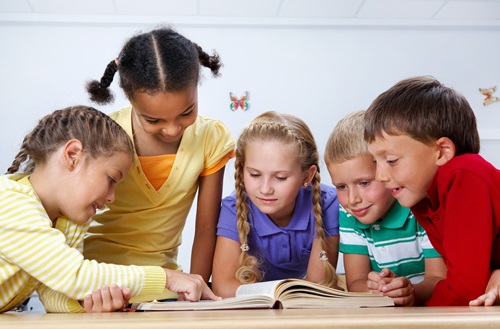
- Small Group Work: Organize students into small, diverse groups to facilitate discussions. This setting encourages participation from all students and allows for more personalized interaction.
- Continuous Monitoring and Feedback: Teachers should monitor group discussions, offering guidance and feedback as needed. This ensures that the discussions are productive and aligned with learning objectives.
These strategies help educators effectively integrate Reciprocal Teaching into their instruction, fostering a collaborative and engaging learning environment.
Challenges and Solutions
While Reciprocal Teaching has many benefits, it also presents certain challenges:
- Ensuring Active Participation: Ensuring that all students are actively engaged and participating in discussions can be challenging.
- Solution: Establish clear expectations and roles within groups. Use strategies like “think-pair-share” to involve all students in the conversation.
- Group Dynamics: Managing diverse group dynamics and ensuring productive collaboration can be difficult.
- Solution: Carefully compose groups with diverse abilities and personalities. Provide guidance on effective collaboration and conflict resolution.
- Skill Development: Some students may struggle with the cognitive strategies involved in Reciprocal Teaching.
- Solution: Provide additional support and scaffolding for students who need it. Use differentiated instruction to meet diverse learning needs.
Addressing these challenges is crucial for the effective implementation of Reciprocal Teaching in educational settings.
Reciprocal Teaching in Different Educational Contexts
Reciprocal Teaching is versatile and can be adapted for a variety of educational settings:
- Elementary Education: For younger students, Reciprocal Teaching can be simplified and used to enhance basic reading comprehension and discussion skills. Activities can be more structured and teacher-guided.
- Middle and High School Education: In these grades, Reciprocal Teaching can be used to tackle more complex texts and concepts across subjects. Students can take more leadership in discussions, enhancing critical thinking and analytical skills.
- Higher Education: At the college level, Reciprocal Teaching can facilitate deep analysis of texts and concepts in various disciplines. It encourages independent thinking and advanced discussion skills.
- Adult Education and Professional Development: In these settings, Reciprocal Teaching can be a tool for collaborative learning and professional skill development, particularly in areas requiring critical thinking and problem-solving.
Conclusion
Reciprocal Teaching represents a significant shift in the approach to teaching and learning, particularly in the development of reading comprehension and critical thinking skills.
By fostering an interactive and collaborative learning environment, this approach not only enhances students’ comprehension skills but also equips them with essential collaborative and cognitive skills.
Further Reading
- What is the Reciprocal Teaching Strategy?
- https://www.adlit.org/in-the-classroom/strategies/reciprocal-teaching
- https://www.prodigygame.com/main-en/blog/reciprocal-teaching/
- https://www.readingrockets.org/classroom/classroom-strategies/reciprocal-teaching#:~: