
What Age Should You Start Teaching Phonics
There is no magic age to begin teaching phonics, but you should begin fostering phonological awareness as early but at an appropriate time as possible.
Check out our Premium Products in the shop today Dismiss
There is no magic age to begin teaching phonics, but you should begin fostering phonological awareness as early but at an appropriate time as possible.

A kindergartner should be at a reading level between 1 and 6. Higher reading levels indicate that they’re near the top of the range,

However many studies have shown that music is often more of a distraction that a benefit. Though how much of a distraction can be dependent on both volume and music styles.

A first grader should be at a reading level between 3 to 12. Higher reading levels indicate that they’re near the top of their class, but there’s always room for growth.

Phonological awareness is a spoken language skill. If this skill can be developed it will be strongly connected to early reading and writing abilities. As these abilities progress then so does the literacy levels of students. These skills includes listening, reading, writing and of course speaking.
Developing phonological skills can have a significant positive impact on students spelling abilities. They will have the ability to transfer their knowledge of sounds into written words

The best phonics songs for children have to include these key elements: Simple language, repetitive, include the phonics target language and of course they have to be fun. Songs like the phonics song, the Magic E song all include these and will increase students motivation and abilities in both phonics and English.
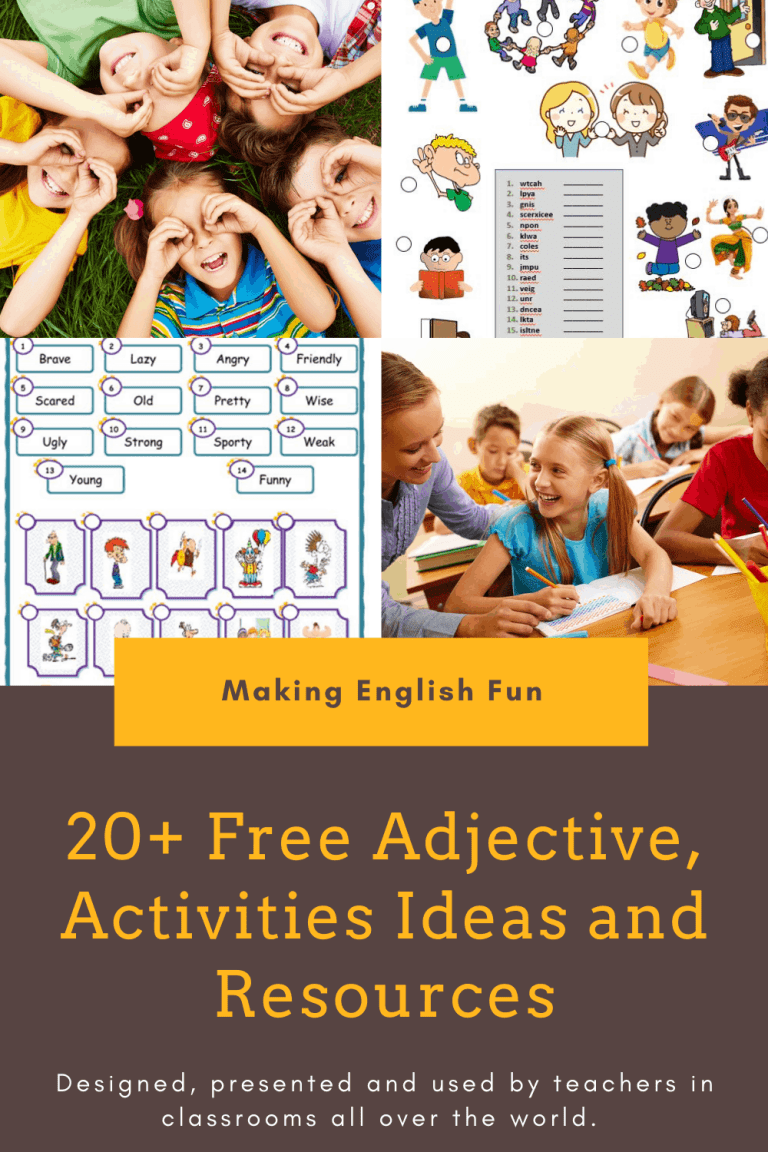
There are multiple ways to teach adjectives to children. teachers and parents can use physical activities, worksheets and written activities, games and activities and spoken activities. The most effective way to teach is to use a diverse range of methods and resources and to adapt your teaching to your students.

These teaching tips for first year teachers come from experience and include concrete actions. Dealing with parents, effective class management, dealing with students issues and problems, motivating and engaging students and upskilling are all covered here.

The optimum time to start to introduce second language techniques and strategies to children is at around 10 months to 18 months old. This is dependent on the educational environment and background. Although there is debate about when second language teaching should be introduced there is consensus that it should most certainly start prior to around 10 years old.