Can You Pronounce the 30 Most Difficult English Place Names?
Have you ever looked at an English place name and thought,
How on earth do I say that?
Don’t worry, you’re in good company. English is famous for its quirks, and nowhere are they more apparent than in the names of its towns and cities.
From silent letters to disappearing syllables and unexpected sounds, English place names are an ongoing challenge for locals and visitors alike.
But here’s the real question: Can you pronounce them correctly?

In this interactive guide, we’re diving into 30 of the hardest-to-pronounce English place names. Each name comes with its proper pronunciation, common mistakes, and fascinating tidbits about its history.
Whether you’re an English learner, a trivia enthusiast, or just someone who enjoys a good challenge, this list is for you.
And the fun doesn’t stop here—join us on YouTube for a full breakdown of these names with real-world examples, pronunciation tips, and a touch of humor. It’s not just about learning; it’s about having fun while doing it.

You can download the list if you want a printable version from the link below.
Why Are These Place Names So Hard to Pronounce?
English place names are like puzzles—ones where the pieces don’t always seem to fit. But why are they so tricky? It all comes down to history, geography, and linguistic evolution.
Over centuries, names that once made sense have been shaped and reshaped by invasions, regional dialects, and the ever-changing nature of the English language.
Here’s a breakdown of why English place names can leave even seasoned speakers scratching their heads:
- Silent Letters Are Everywhere:
English is infamous for silent letters, and place names are no exception. Names like Worcester (pronounced “Wus-ter”) and Gloucester (pronounced “Glos-ter”) look straightforward but lose entire syllables in spoken form. - Syllables Vanish Without Warning:
Why pronounce all the syllables when you can simplify them? Names like Leominster (Lem-ster) and Magdalen College (Maud-lin) show just how much English speakers love shortening their words. - Layered Linguistic Roots:
English place names are a mix of Saxon, Viking, Celtic, and Norman influences. This is why we have names like Beaulieu (Byoo-lee, from French) alongside Viking-inspired names like Grimsby. - Regional Dialects Add Complexity:
In some areas, locals might pronounce a name differently than people just a few miles away. For example, Shrewsbury can be either “Shrooz-bree” or “Shrews-bree,” depending on whom you ask. - Schwa Sounds Are Commonplace:
The schwa—the neutral “uh” sound in English—makes frequent appearances. For instance, the “shire” in Hampshire becomes “sheer,” and the “mouth” in Portsmouth is reduced to “muth.”
Understanding these patterns doesn’t just make it easier to say these names—it gives you a window into the history and evolution of the English language.
The 30 Most Difficult English Place Names
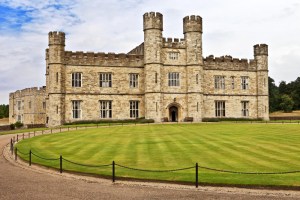
1. Belvoir Castle (Grantham, Leicestershire)
- Do Say: Beaver Castle
- Don’t Say: Bel-vwar Castle
- Why It’s Confusing: This place name has French roots, where “voir” would be pronounced closer to “vwah,” but the English adapted it into something entirely different—hence “Beaver.”
- Fun Fact: Belvoir Castle is home to the Duke of Rutland and has been a filming location for The Crown and the Da Vinci Code.
- Location: Leicestershire, East Midlands
2. Berkshire
- Do Say: Bark-shuh
- Don’t Say: Berk-shire
- Why It’s Confusing: English loves the schwa vowel sound (the “uh” sound). The “shire” is pronounced “shuh,” with a silent “e,” and “Berk” is softened to “Bark.”
- Fun Fact: Berkshire is home to Windsor Castle, a favorite residence of the late Queen Elizabeth II.
- Location: South East England
3. Bicester (Oxfordshire)
- Do Say: Bis-ter
- Don’t Say: Bi-ses-ter
- Why It’s Confusing: Like many English place names, syllables are dropped. The “ces” is ignored, and the whole word is squished into two syllables.
- Fun Fact: Bicester Village is a famous shopping outlet attracting visitors from all over the world.
- Location: Oxfordshire, South East England
4. Beaulieu (Hampshire)
- Do Say: Byoo-lee
- Don’t Say: Be-yo-lieu or Beau-loo
- Why It’s Confusing: A nod to its French origins (it means “beautiful place”), but English has streamlined the pronunciation into something simpler.
- Fun Fact: Beaulieu is home to the National Motor Museum, making it a must-visit for car enthusiasts.
- Location: Hampshire, South East England

5. Cholmondeley (Cheshire)
- Do Say: Chum-lee
- Don’t Say: Chol-mon-de-lee
- Why It’s Confusing: This name got its pronunciation hacked down by centuries of linguistic evolution. It’s now one smooth syllable instead of the mouthful it looks like.
- Fun Fact: The Cholmondeley family still resides in Cholmondeley Castle, which has beautiful gardens open to the public.
- Location: Cheshire, North West England
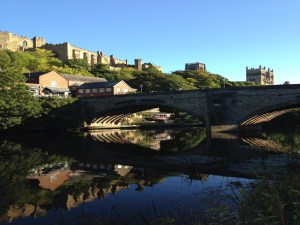
6. Durham
- Do Say: Dur-um
- Don’t Say: Dur-ham
- Why It’s Confusing: The “h” in Durham is silent, and if you pronounce it, even the Queen or king would raise an eyebrow.
- Fun Fact: Durham Cathedral, a UNESCO World Heritage Site, was featured in the Harry Potter films as Hogwarts!
- Location: County Durham, North East England
7. Frome (Somerset)
- Do Say: Froom
- Don’t Say: From
- Why It’s Confusing: The “o” makes an “oo” sound, defying expectations based on its spelling.
- Fun Fact: Frome has been named one of the UK’s best places to live, thanks to its artsy vibe and strong community spirit.
- Location: Somerset, South West England
8. Gateacre (Liverpool)
- Do Say: Gat-a-ker
- Don’t Say: Gate-acre
- Why It’s Confusing: The seemingly simple “acre” morphs into “ker,” which doesn’t follow typical English rules—because, why not?
- Fun Fact: Gateacre was historically known for its many grand houses and became part of Liverpool in 1913.
- Location: Liverpool, North West England

9. Gloucester
- Do Say: Glohs-ter
- Don’t Say: Glos-es-ter
- Why It’s Confusing: As with many “-cester” place names, centuries of speech evolution dropped the middle syllable entirely.
- Fun Fact: Gloucester was the Burial place of Edward II, one of England’s most controversial monarchs.
- Location: Gloucestershire, South West England
10. Godmanchester (Cambridgeshire)
- Do Say: Gum ster
- Don’t Say: God-man-ches-ter
- Why It’s Confusing: This one’s a mess of contractions, with “God” and “manchester” blending into one confusing mouthful. Some locals also shorten it further to “Gumster.”
- Fun Fact: This charming market town dates back to Roman times and lies on the River Great Ouse.
- Location: Cambridgeshire, East England
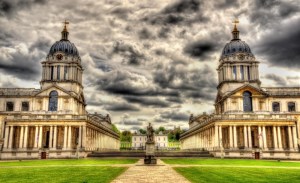
11. Greenwich (London)
- Do Say: Gren-itch
- Don’t Say: Green-witch, no Wizard of Oz tie in here.
- Why It’s Confusing: The “w” is silent, and the “ee” sound in “Green” softens into “Gren.” Don’t worry; most tourists get it wrong the first time!
- Fun Fact: Greenwich is famous for the Prime Meridian, marking 0 degrees longitude.
- Location: London
12. Hampshire
- Do Say: Hamp-shuh
- Don’t Say: Hamp-shire
- Why It’s Confusing: Like Berkshire, the “shire” is reduced to a single “shuh,” and the final “e” vanishes.
- Fun Fact: Hampshire is home to the historic dockyard in Portsmouth, where you’ll find the HMS Victory.
- Location: South East England
13. Happisburgh (Norfolk)
- Do Say: Hayz-bruh
- Don’t Say: Happ-is-bruh
- Why It’s Confusing: The “pp” sounds vanish into thin air, and the “s” becomes a “z.” A true spelling/pronunciation mismatch!
- Fun Fact: Happisburgh has one of the oldest known human settlements in Britain, dating back 800,000 years.
- Location: Norfolk, East England
14. Leominster (Herefordshire)
- Do Say: Lem-ster
- Don’t Say: Lee-o-min-ster
- Why It’s Confusing: Silent “o” and contracted syllables turn this mouthful into something far easier to say.
- Fun Fact: Leominster is known as the “Town of Books” due to its many bookshops and literary festivals.
- Location: Herefordshire, West Midlands
15. Leicester (Leicestershire)
- Do Say: Les-ter
- Don’t Say: Lie-ses-ter
- Why It’s Confusing: The “ce” and “i” get ignored altogether. Classic “-cester” trickery!
- Fun Fact: Leicester made global headlines in 2012 when King Richard III’s remains were found under a car park.
- Location: Leicestershire, East Midlands
16. Loughborough (Leicestershire)
- Do Say: Luff-bruh
- Don’t Say: Lough-bur-ow
- Why It’s Confusing: The tricky “ough” strikes again! The first is pronounced like “tough,” and the second morphs into “bruh.” This is also a place i have spent a lot of time, though clearly not at t
- Fun Fact: Loughborough University is world-famous for its sports programs. This is also a place i have spent a lot of time, though clearly not at the sports university.
- Location: Leicestershire, East Midlands
17. Magdalen College (Oxford/Cambridge)
- Do Say: Maud-lin
- Don’t Say: Mag-de-lain
- Why It’s Confusing: Tradition overrides logic here. The name honors Mary Magdalene, but centuries of English smoothed it to “Maud-lin.”
- Fun Fact: Magdalen College, Oxford, hosts an annual May Day celebration featuring choir singing and music.
- Location: Oxford and Cambridge
18. Norwich (Norfolk)
- Do Say: Noh-ritch
- Don’t Say: Nor-wich
- Why It’s Confusing: Just like Greenwich, the “w” is silent, and the “i” barely gets a sound.
- Fun Fact: Norwich is the UK’s first UNESCO City of Literature and has a vibrant literary scene.
- Location: Norfolk, East England
19. Portsmouth (Hampshire)
- Do Say: Ports-muth
- Don’t Say: Ports-mouth
- Why It’s Confusing: The “mouth” is reduced to “muth,” using the schwa sound.
- Fun Fact: Portsmouth is the UK’s only island city and has a strong naval history.
20. Reading (Berkshire)
- Do Say: Red-ing
- Don’t Say: Read-ing (like reading a book)
- Why It’s Confusing: The town name and the verb “to read” are spelled the same, but their pronunciations diverged long ago.
- Fun Fact: Reading was one of the largest towns in England during the medieval wool trade.
- Location: Berkshire, South East England
21. Ruislip (Greater London)
- Do Say: Rye-slip
- Don’t Say: Roo-i-slip
- Why It’s Confusing: The “ui” becomes “y,” and the “i” softens into a schwa sound, which is a hallmark of English place names.
- Fun Fact: Ruislip is home to the oldest surviving lido in the UK, dating back to 1933.
- Location: Greater London, South East England
22. Shrewsbury (Shropshire)
- Do Say: Shrooz-bree (or sometimes Shroos-bree)
- Don’t Say: Shrews-bury
- Why It’s Confusing: The debate over pronunciation is alive even among locals—both “Shrows” and “Shroos” are accepted and even now and then bury can be used too.
- Fun Fact: Shrewsbury is famous for its medieval timber-framed buildings and being the birthplace of Charles Darwin.
- Location: Shropshire, West Midlands
23. Salisbury (Wiltshire)
- Do Say: Solz-bree
- Don’t Say: Sal-is-bury
- Why It’s Confusing: The “Salis” morphs into “Solz,” and the “bury” is streamlined into “bree.”
- Fun Fact: Salisbury is home to the iconic Salisbury Cathedral, which houses the tallest church spire in the UK.
- Location: Wiltshire, South West England
24. Slough (Berkshire)
- Do Say: Slow (as in “how”)
- Don’t Say: Sluff or Sloo
- Why It’s Confusing: The infamous “ough” strikes again, producing yet another unexpected pronunciation.
- Fun Fact: Slough became a tech hub during the 20th century and was immortalized in the TV show The Office (UK version).
- Location: Berkshire, South East England
25. Southwell (Nottinghamshire)
- Do Say: Suth-ull
- Don’t Say: South-well
- Why It’s Confusing: The “th” is softened, and the “well” becomes “ull,” making it sound entirely different from its spelling.
- Fun Fact: Southwell is famous for its stunning Minster, which dates back to the 12th century.
- Location: Nottinghamshire, East Midlands
26. Teignmouth (Devon)
- Do Say: Tin-muth
- Don’t Say: Tane-mouth
- Why It’s Confusing: The “eign” shifts into “in,” and “mouth” becomes “muth” with the schwa sound.
- Fun Fact: Teignmouth is known as a seaside resort with beautiful beaches and Victorian architecture.
- Location: Devon, South West England
27. Tottenham (London)
- Do Say: Tot-nam
- Don’t Say: Tot-ten-ham
- Why It’s Confusing: The silent “e” and “h” simplify the word to two syllables instead of three. if it said with three it becomes Tot-uhn-hum
- Fun Fact: Tottenham Hotspur is one of the most famous football teams in the UK, though probably not the best. Gonna get in trouble for that one!
- Location: London
28. Warwick (Warwickshire)
- Do Say: Wohr-ick
- Don’t Say: War-wick
- Why It’s Confusing: The “w” in the middle disappears entirely, leaving you with a more compact pronunciation.
- Fun Fact: Warwick Castle, built by William the Conqueror, is one of the best-preserved castles in England.
- Location: Warwickshire, West Midlands
29. Wimbledon (London)
- Do Say: Wim-bul-dun
- Don’t Say: Wim-bull-don
- Why It’s Confusing: The “ble” becomes “bul,” and the “don” softens into “dun.” Classic schwa magic!
- Fun Fact: Wimbledon is, of course, famous for hosting the oldest tennis tournament in the world.
- Location: London

30. Woolfardisworthy (Devon)
- Do Say: Woolzery
- Don’t Say: Wool-far-dis-worthy
- Why It’s Confusing: Nearly the entire word is shortened, leaving little resemblance between the spelling and the sound.
- Fun Fact: Locals often refer to Woolfardisworthy as simply “Woolsery” to save themselves from pronunciation headaches.
- Location: Devon, South West England
How to Master Difficult English Place Names
If you’ve ever found yourself staring at a name like “Woolfardisworthy” and wondering where to start, you’re not alone.
The good news is that with a few tips, you can tackle even the most baffling English place names with confidence.
Here’s how to get started:
1. Listen First, Speak Second
Pronunciation is often easier to grasp when you hear it rather than trying to guess. Locals are your best resource, but if you’re learning from afar, tools like Google Maps, YouTube videos (like ours!), or pronunciation apps can help you hear the correct way to say these names.
2. Look for Patterns
English place names often follow specific patterns. Once you’ve learned a few, you’ll start recognizing them everywhere:
- Names ending in “-cester” (like Gloucester or Leicester) almost always drop the middle syllable.
- “-borough” (as in Loughborough) often becomes “bruh.”
- “-ham” (like Birmingham) typically softens to “um.”
3. Accept the Silent Letters
English is full of silent letters, and place names are no exception. The “w” in Greenwich and the “l” in Alnwick are silent for no reason other than tradition. Once you let go of the urge to pronounce every letter, things will get much easier.
4. Practice Makes Perfect
Don’t be afraid to say the names out loud, even if you get them wrong at first. Mispronunciations are part of the learning process, and the more you practice, the more natural they’ll sound.
5. Dive Into the History
Understanding the origins of these names can make them easier to remember.
For example, knowing that “Worcester” comes from the Latin word castrum (meaning fort) explains why the “ce” is silent—it’s a relic of the town’s Roman past.
Mastering these names isn’t just about avoiding embarrassment; it’s a way to connect with England’s rich linguistic and cultural history.
Why Learning English Place Names Is Fun and Useful
You might be wondering: Why bother learning these tricky names? The truth is, understanding how to pronounce them isn’t just practical—it’s also incredibly rewarding. Here’s why:
1. Impress Locals and Tour Guides
If you’re traveling in the UK, pronouncing place names correctly can earn you instant respect. Locals will appreciate the effort, and it’s a great icebreaker to strike up a conversation.
2. Strengthen Your English Skills
For English learners, place names are an excellent way to practice pronunciation. They often involve tricky sounds, silent letters, and vowel shifts, making them a great challenge for improving your spoken English.
3. Stand Out in Trivia Nights
Knowing that “Cholmondeley” is pronounced “Chum-lee” or that “Beaulieu” is “Byoo-lee” gives you an edge at your next trivia game. You’ll be the person everyone looks to when a pronunciation question comes up!
4. Explore the Stories Behind the Names
Every English place name has a story, whether it’s tied to ancient kings, Roman conquests, or Viking settlements.
Learning how to say these names is like unlocking a little piece of history, helping you appreciate the culture and people who shaped them.
5. It’s Just Plain Fun
Let’s face it—trying to pronounce names like “Woolfardisworthy” is hilarious. Mispronunciations are part of the fun, and laughing at yourself makes the experience even more enjoyable. Plus, you’ll have great stories to share with friends and family!
How to Turn Tricky Place Names into a Fun Challenge
English place names don’t have to be a source of frustration—they can actually be a lot of fun. Whether you’re using them as part of a classroom activity, challenging your friends, or improving your English skills, there are plenty of ways to turn these quirky names into a game.
1. Challenge Your Friends
Grab our list of the 30 most difficult-to-pronounce English place names (available in our downloadable PDF) and see who can get the most right. Add a competitive twist by awarding points for correct pronunciations—and bonus points for knowing the history behind each name.
2. Use It as a Teaching Tool
For teachers, these names are perfect for engaging students in a lesson about English pronunciation, history, or regional accents. Have students guess how each name is pronounced, then discuss why the pronunciation doesn’t match the spelling.
It’s a great way to explore the evolution of the English language while keeping things interactive.
3. Make It a Social Media Challenge
Record yourself or your friends trying to pronounce these names, then share the results on social media. Use hashtags like #PronunciationChallenge or #EnglishPlaceNames to join the conversation and see how others fare. Tag us, and we might feature your attempt in a future video!
4. Test Yourself with the Video
Our YouTube video is the perfect companion to this challenge. Watch it to hear the correct pronunciations, learn the history behind the names, and maybe even pick up some tips for tackling other tricky words. You can follow along with the video and see how many you get right.
5. Take It on the Road
If you’re traveling in the UK, use the list as a guide and try pronouncing each name as you visit. Locals might correct you, but they’ll also appreciate the effort—and you’ll walk away with a deeper connection to the places you explore.
By turning difficult place names into a fun activity, you’ll not only learn a lot but also create memories that stick. After all, who can forget the first time they learned that “Woolfardisworthy” is pronounced “Woolzery”?
Making the Most of Our YouTube Video and PDF Resource
To help you master these tricky names, we’ve created two handy resources:
- A YouTube Video That Brings the Names to Life
- A Free Printable PDF That’s Perfect for Practice
The YouTube Video: What to Expect
Our video is more than just a pronunciation guide—it’s an interactive, laugh-out-loud experience. Here’s what you’ll get:
- Correct Pronunciations: We’ll walk you through each name step by step, showing you how to say it like a local.
- Common Mistakes: See how not to pronounce these names, complete with funny examples of the most frequent errors.
- Trivia and History: Every name has a story, and we’ll share the fascinating facts behind these places, from their ancient roots to their modern quirks.
- Interactive Fun: Test yourself as you watch. Can you get it right before we do?
This video is perfect for anyone who loves language, trivia, or simply learning new things in an engaging and entertaining way. Don’t forget to subscribe to our channel for more fun challenges and language tips!
The Downloadable PDF: Your Pronunciation Cheat Sheet
Want to keep the challenge going? Our free, printable PDF includes all 30 place names, complete with their correct pronunciations, common mistakes, and interesting facts. Here’s why you’ll love it:
- Easy to Use: Print it out or keep it on your phone for quick reference.
- Perfect for Teachers: Use it as a classroom handout or discussion starter.
- Great for Travelers: Take it with you on your UK adventures to avoid those awkward pronunciation moments.
- Fun for Quizzes: Turn it into a game with friends or family—who can get the most right?
Click here to download the PDF and start mastering these names today. Pair it with our YouTube video for the ultimate learning experience!
Closing Thoughts
Exploring tricky English place names is a fun and fascinating way to dive into the quirks of the language. Whether you’re mastering Leicester (Les-ter), laughing over Cholmondeley (Chum-lee), or getting it right with Greenwich (Gren-itch), you’re not just learning words—you’re connecting with history, culture, and people.
So, what are you waiting for? Watch our video, download the PDF, and join us in celebrating the weird and wonderful world of English place names.
Let’s make learning fun—and maybe even a little ridiculous!
- https://www.onlinelanguageacademy.com/en/blog/pronunciation-british-place-names.htm
- https://www.bbc.com/news/uk-england-somerset-49813249
- https://www.countryliving.com/uk/homes-interiors/property/a30805564/mispronounced-uk-towns
Making English Fun!

I have been a teacher of English for over 15 years, in that time i made hundreds and thousands of resources and learnt so much i think its worth sharing. Hopefully to help teachers and parents around the world.