Using Technology to Enhance English Language Learning
In today’s rapidly changing world, technology plays a pivotal role in how we learn languages, particularly English. Children born in the ’90s and 2000s have witnessed immense technological advancements that have transformed not just general education but also the way they approach language learning.
Let’s explore how this integration makes English learning more engaging,effective, and accessible.

Breaking Down Geographical Barriers in English Learning
One of the most remarkable aspects of technology in English language education is its ability to connect learners and educators worldwide. Digital tools enable students to access native
English speakers and diverse cultural contexts, significantly enriching their language-learning
experience.
Key Benefits:
● Global Reach: English learners can attend virtual classes conducted by native speakers from different countries, promoting a culturally enriched environment and authentic learning experiences.
● Enhanced Collaboration: Tools like virtual classrooms and language exchange platforms (e.g., Tandem, iTalki) facilitate real-time conversations, allowing learners to practice speaking, listening, and writing skills with peers globally.
● Novel Learning Experiences: Augmented Reality (AR) and Virtual Reality (VR) can immerse students in simulated environments where they practice English in real-world scenarios, such as shopping, traveling, or attending social events.
Boosting Student Engagement and Retention in English Learning
Technology makes English learning more interactive and enjoyable, catering to various learning styles. This is a critical factor for students in advanced degree programs like the Lamar University masters program and English language programs offered by the University of Phoenix and Southern New Hampshire University.

Noteworthy Stats:
● The global language learning market is expected to reach USD 30 billion by 2026, with a significant portion attributed to online English learning.
● Nearly 30% of English learners use mobile apps for daily language practice.
Engagement Strategies:
● Interactive Content: Language learning apps like Duolingo, Babbel, and Rosetta Stone use videos, quizzes, and gamified exercises to make learning vocabulary, grammar, and pronunciation more captivating.
● Microlearning: Short, focused language exercises, such as vocabulary flashcards or brief reading passages, help students grasp new concepts quickly and retain information longer.
● Instant Feedback: AI-powered language platforms provide real-time corrections on grammar, pronunciation, and sentence structure, allowing students to adjust their learning approach immediately.
Enhancing Knowledge Retention and Assessment in English
Language Learning
Teachers can leverage technology to monitor student progress more effectively, ensuring consistent improvement in language skills. For example:
● Digital Content Libraries: Online resources like news articles, eBooks, and English learning websites (e.g., BBC Learning English) offer access to diverse reading materials, helping students build vocabulary and comprehension skills.
● AI Tools: Advanced platforms, such as Grammarly or Write & Improve by Cambridge, analyze student writing to offer personalized feedback, identifying areas for improvement in grammar, style, and vocabulary usage.
● Enhanced Assessments: Online English proficiency tests (e.g., IELTS, TOEFL practice tests) and tracking tools help monitor students’ progress in reading, writing, speaking, and listening skills.
eLearning Effectiveness:
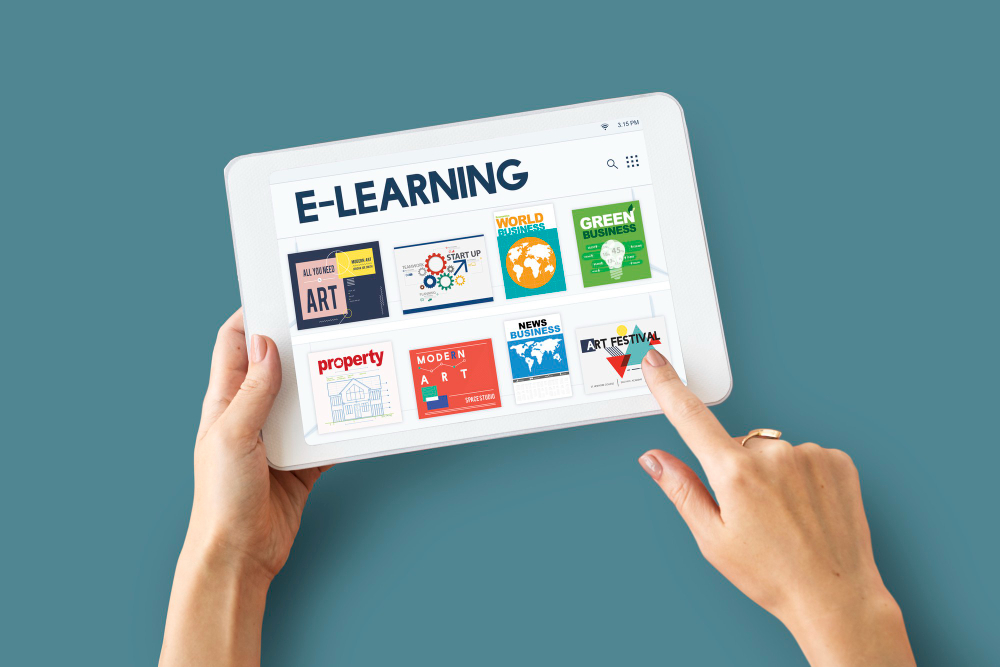
● Knowledge Retention: Interactive exercises like listening, dialogues, and online
discussions improve vocabulary and idiomatic expression retention.
● Repetitive Learning: Many language apps include daily quizzes and spaced repetition
techniques to reinforce learning through frequent review.
Promoting Skills for Future Communication and Careers
Incorporating technology in English education helps students develop language skills and digital literacy, preparing them for global careers.
Skills Development:
● Digital Literacy: Students learn to navigate and utilize various language learning platforms, search for credible information online, and use tools like translation apps for real-time assistance.
● Effective Communication: Technology provides a medium for learners to practice English in diverse contexts, enhancing their ability to write emails, participate in virtual meetings, and engage in global business environments.
● Adaptability: Regular exposure to various digital tools, from voice recognition to online dictionaries, makes learners adaptable and creative in using language resources.
Addressing Potential Drawbacks in Digital English Learning
While technology offers immense benefits, it’s important to recognize and mitigate its potential downsides in the context of English language learning.
Challenges:
● Health Issues: Extended screen time during language practice can cause eye strain and fatigue. Encouraging breaks and the use of audiobooks can alleviate some of these issues.
● Social Interaction: Language learning requires real-world communication. Over-reliance on digital tools can limit face-to-face interactions. Virtual meetups and language exchange programs can provide more balanced practice.
● Cheating Risks: Online assessments can make it easier for students to use translation tools inappropriately. Teachers can design open-ended assignments that encourage critical thinking and real-time speaking exercises to promote honest language use.
Mitigation Strategies:
● Teaching Credible Sources: Guide students to use reliable resources for language practice, like Merriam-Webster or the Oxford English Dictionary.
● Balanced Screen Time: Combine digital learning with activities like conversation clubs and outdoor language practice.
● Secure Platforms: Use secure, monitored platforms like ProctorU for English language assessments to ensure academic integrity.
Conclusion
Technology’s role in English language education is both transformative and essential. It breaks down geographical barriers, boosts engagement through interactive methods, enhances retention through repetition, and promotes essential communication skills for future success.
While challenges exist, they can be managed through thoughtful implementation and balanced use. In essence, technology is a gateway to effective English language learning, making it more
accessible, engaging, and tailored to individual needs.
Whether you’re a student, educator, or part of an English learning program, embracing technology can lead to remarkable language learning outcomes and global opportunities.
Making English Fun!

I have been a teacher of English for over 15 years, in that time i made hundreds and thousands of resources and learnt so much i think its worth sharing. Hopefully to help teachers and parents around the world.