Teaching the i Letter Sound
Phonics education is fundamental in guiding young learners through their literacy journey, particularly in understanding the diverse sounds of the English language.
Among these, the letter ‘I’ stands out for its two main sounds: the short ‘i’ and the long ‘i’. Mastery of these sounds is crucial for developing reading and spelling skills.
This article aims to provide educators, parents, and caregivers with effective strategies and engaging activities to teach the ‘I’ sound, facilitating a smoother learning path for students at various educational levels.
Understanding the ‘I’ Sound
The ‘I’ sound in English presents two distinct variations: the short ‘i’ sound, as in ‘bit’, and the long ‘i’ sound, as in ‘bike’.
The short ‘i’ is a common vowel sound that requires a relaxed mouth and a quick release of air. In contrast, the long ‘i’ typically combines the ‘ah’ sound with a swift move to a ‘ee’ sound, resembling a brief yelp.
Educating learners on the different mouth movements and sound durations is vital for their phonetic development. Clear articulation and repeated practice can significantly enhance their ability to distinguish and replicate these sounds accurately.
Examples of Words with the ‘I’ Sound
To reinforce the ‘I’ sound, it’s beneficial to expose learners to a variety of words. Here’s an organized collection of examples:
| Sound Type | Position in Word | Examples |
|---|---|---|
| Short ‘i’ Sound | Beginning | ink, insect, igloo |
| Middle | bit, fish, picnic | |
| End | – | |
| Long ‘i’ Sound | Beginning | ice, ivy, item |
| Middle | bike, time, silent | |
| End | -cacti, by, fly |
By familiarizing students with these words, teachers and parents can enhance learners’ phonetic skills, improving their reading and spelling capabilities.
Strategies for Teaching the ‘I’ Sound
When it comes to effectively teaching the ‘I’ sound, a blend of visual, auditory, and kinesthetic approaches can significantly enhance the learning experience:
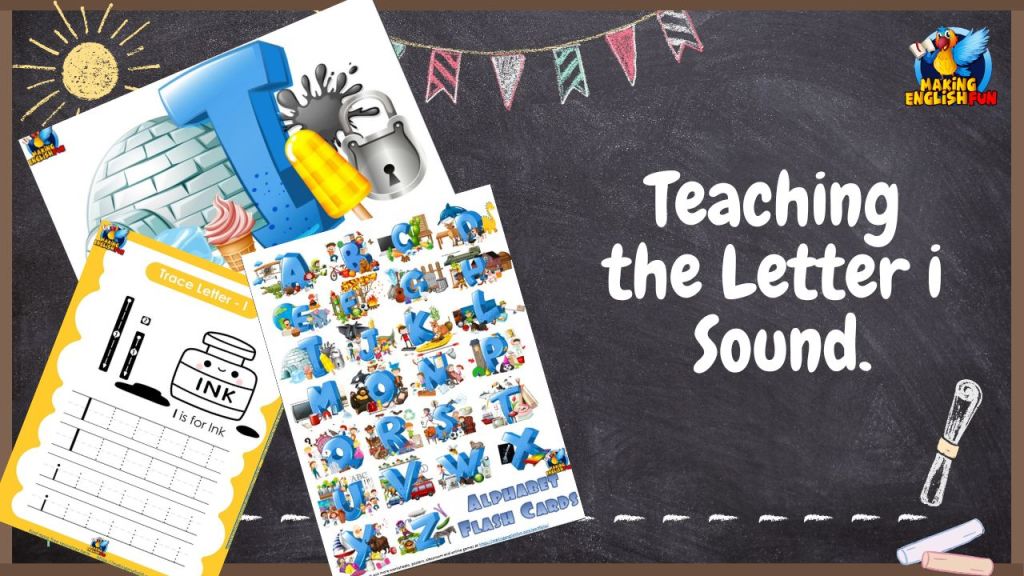
- Visual Aids: Leverage visual aids such as flashcards, alphabet charts, and illustrated storybooks that emphasize words with the ‘I’ sound. Visual stimuli can help learners associate images with sounds, reinforcing memory and recognition.
- Auditory Methods: Utilize songs, rhymes, and phonics videos that highlight the short and long ‘I’ sounds. Engaging learners through music and rhythm can make the learning process more enjoyable and memorable.
- Articulation Techniques: Show students how to form the short and long ‘I’ sounds by modeling the correct mouth and tongue positions. Encourage them to practice in front of a mirror and provide feedback to ensure they are producing the sounds correctly.
Engaging Activities for Reinforcing the ‘I’ Sound
To further cement understanding and correct pronunciation of the ‘I’ sound, consider incorporating the following activities:
- Interactive Games: Create or utilize phonics games that focus on identifying and differentiating between the short and long ‘I’ sounds. Games such as “I Sound Bingo” or “Match the Picture” can be fun and effective ways to practice phonics skills.
- Hands-on Activities: Engage students in crafting projects that relate to words containing the ‘I’ sound, such as creating an ‘insect’ out of craft materials for the short ‘i’ or an ‘island’ scene for the long ‘i’. These projects can help solidify the association between the sound and its corresponding letter.
- Word Discovery: Organize word hunts or scavenger hunts where students search for words with the short and long ‘I’ sound in books, around the classroom, or at home. This activity encourages active learning and application of phonics knowledge in different contexts.
Integrating the ‘I’ Sound into Everyday Learning
Incorporating the ‘I’ sound into everyday activities can provide continuous and natural reinforcement:
- Daily Practice: Encourage students to listen for and identify the ‘I’ sound in their environment, whether in conversation, during story time, or in media. This practice can help them become more attuned to the sounds in different settings.
- Reading Activities: Select books and passages that feature a high frequency of ‘I’ sound words. Highlight these words before reading and ask students to read them aloud, focusing on the correct pronunciation.
- Group Learning: Promote group discussions and activities where students can practice the ‘I’ sound together. Collaborative learning can boost confidence and provide opportunities for peer feedback and learning.
Assessment and Feedback
Effective assessment and feedback are crucial for ensuring students understand and correctly use the ‘I’ sound:
- Monitoring Progress: Implement a variety of assessment methods, such as phonics checklists, oral reading, and writing tasks, to gauge students’ mastery of the short and long ‘I’ sounds. Observations during activities can also provide insights into their understanding.
- Providing Constructive Feedback: Give specific, positive feedback to reinforce correct pronunciations and gently correct any errors. Offer ample opportunities for students to practice the ‘I’ sounds and repeat words or sentences as needed, promoting improvement through repetition and encouragement.
Teaching the ‘I’ Sound to Different Age Groups
Adapting teaching methods to suit different age groups and learning levels can enhance the effectiveness of phonics instruction:
- PreK/Kindergarten: Focus on the short ‘I’ sound with simple, engaging activities and storybooks. Use a lot of repetition and playful activities like singing and crafts to keep young learners engaged.
- Grade 1 and ESL Learners: Introduce both the short and long ‘I’ sounds more formally. Include activities that combine listening, speaking, reading, and writing to reinforce understanding and use of the ‘I’ sounds in various contexts.
- Adult Learners: For adults, especially ESL learners, emphasize practical usage and correct pronunciation. Include activities that relate to real-life situations, such as reading menus, directions, or simple narratives that incorporate both short and long ‘I’ sounds.
Downloads and Resources
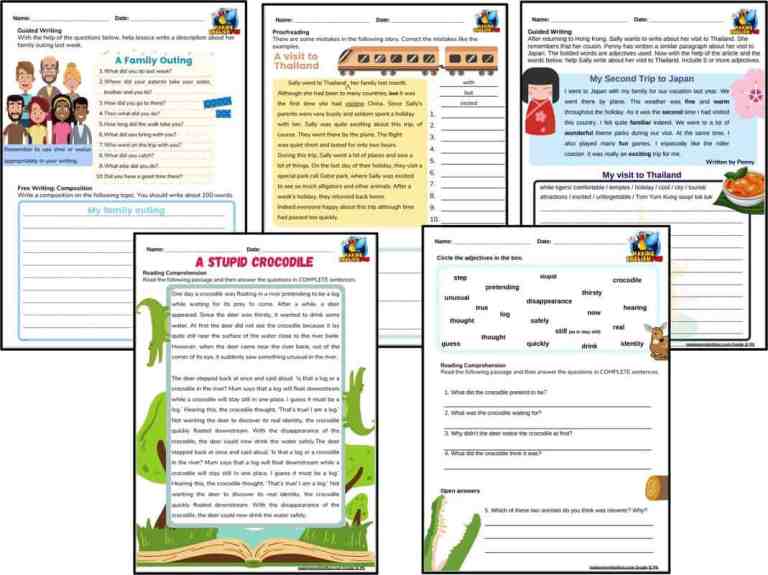
You can download Letter ‘i’ Worksheets and Alphabet resources on the links below.
- 26 Picture Alphabet worksheets and Answer Keys.
- Free Alphabet Tracing worksheets
- 26 Alphabet and ABC Picture Worksheets Fully Editable Version
- Free Animal Alphabet Flashcards
- 26 Alphabet and ABC Picture Worksheets FREE Version
- Alphabet Flashcards and Pictures
Enhance the learning experience by providing additional resources:
- Direct Links: Include links to downloadable resources from MakingEnglishFun.com, offering phonics worksheets, games, and activities focused on the ‘I’ sound.
- Additional Materials: Suggest other resources, such as mobile apps, online platforms, and phonics books, that provide extra practice with the ‘I’ sound. Ensure these materials are appropriate for the different age groups and skill levels.
Conclusion
The ‘I’ sound is an essential component of the English phonetic system, and mastering it is crucial for literacy development.
By employing diverse teaching strategies, engaging activities, and consistent practice, educators can help students of all ages and backgrounds successfully learn the short and long ‘I’ sounds.
Patience, creativity, and adaptability in teaching approaches can lead to effective learning experiences and a solid foundation in phonics.
Call to Action
Encourage educators, parents, and caregivers to implement these strategies and share their experiences in teaching the ‘I’ sound.
Collaboration and exchange of ideas can contribute to more effective teaching methods and a deeper understanding of phonics among learners.
Making English Fun!

I have been a teacher of English for over 15 years, in that time i made hundreds and thousands of resources and learnt so much i think its worth sharing. Hopefully to help teachers and parents around the world.