How Artificial Intelligence is Revolutionizing Education and Empowering Teachers
With technology constantly evolving, artificial intelligence (AI) is making waves across different fields, and education is no different. This isn’t just about fancy robots – AI is fundamentally changing how teachers teach and students learn, creating exciting new experiences in classrooms worldwide.
Imagine teachers with less paperwork. According to the World Economic Forum, AI can automate up to 20% of administrative tasks.
This allows teachers more time to focus on creating engaging lessons, using innovative teaching methods, and supporting students’ emotional well-being.
But AI’s impact goes way beyond reducing paperwork. By integrating AI into the curriculum, students can develop essential skills for the future, preparing them for a world heavily influenced by technology.
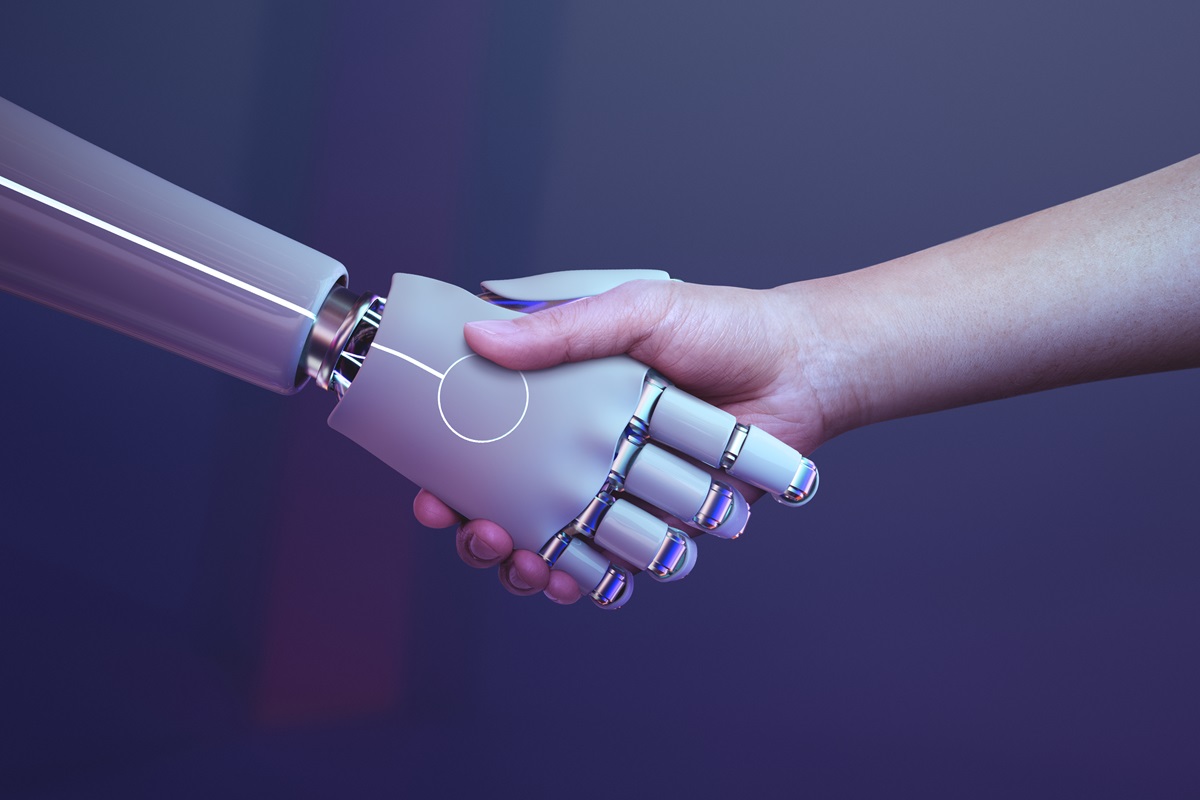
Personalized learning powered by AI tailors educational experiences to each student’s needs, creating a supportive environment where everyone can excel.
In this article, we’ll dive deeper into five ways AI is revolutionizing education and empowering teachers.
Personalized Learning Experiences
Artificial intelligence is transforming education by enabling personalized learning experiences tailored to individual student needs.
AI-powered adaptive learning platforms analyze student performance data in real time, identifying strengths and weaknesses to customize lessons accordingly.
This personalized approach allows students to progress at their own pace. It ensures that advanced learners are continuously challenged while those who need more support receive the attention they require.
ScienceDirect highlights various applications of AI in education, such as the development of interactive Personalized Learning Spaces (PLS). These primarily virtual platforms remove geographic barriers, allowing anyone to learn from any location at their convenience.
Additionally, AI-driven adaptive iterations within these systems can recommend tailored learning plans.
An AI-based intelligent tutoring system (ITS) in the US customizes educational content according to students’ extracurricular interests.
This approach demonstrated that personalized learning can lead to more effective educational outcomes.
Enhanced Student Engagement
AI is significantly enhancing student engagement by making learning more interactive and responsive. According to a study by Digital Promise, AI has the potential to improve student engagement by providing immediate feedback to educators.
This allows them to adjust their teaching strategies based on students’ needs in real time.
This immediate feedback helps teachers identify when a student struggles with a concept and needs additional support. It also indicates when a student is excelling and ready for more advanced material.
AI-driven insights can personalize the learning experience, making it more engaging for individual learners.
For example, AI can analyze students’ interactions and performance, offering tailored recommendations and resources that align with their interests and learning styles.
By tailoring to each student’s needs, AI fosters a dynamic learning environment, boosting involvement and enthusiasm. This real-time adaptability ensures that every student remains engaged and motivated, ultimately enhancing their overall learning experience.

Efficient Administrative Tasks
AI is revolutionizing education by significantly reducing the administrative burdens on teachers, allowing them to focus more on instruction and student support.
EducationWeek states that teachers work a median of 54 hours per week, with only 46% of that time spent teaching. This means around 54% of a teacher’s time is consumed by non-teaching activities, including administrative tasks.
AI can automate many of these tasks, such as grading, attendance tracking, and scheduling, streamlining workflow and freeing up valuable time for teachers.
By handling repetitive and time-consuming duties, AI allows educators to dedicate more time to planning lessons, engaging with students, and providing personalized support.
This not only enhances the quality of education but also helps in reducing teacher burnout and improving job satisfaction. The efficiency brought by AI in administrative tasks ensures that teachers can concentrate on what they do best: teaching and inspiring their students.
Fraud Document Detection
Artificial intelligence is transforming education by enhancing fraud document detection capabilities, which is crucial for maintaining academic integrity. Document fraud encompasses activities such as creating, altering, duplicating, counterfeiting, or forging official documents to deceive.
In the education sector, this includes issuing fake diplomas or certificates, which can severely undermine the credibility of educational institutions and devalue genuine qualifications.
AI algorithms for fraud document detection, explained by AU10TIX, use advanced pattern recognition and data analysis techniques to spot discrepancies and anomalies in documents.
By comparing documents against databases and known standards, AI can effectively detect forged or manipulated documents that may otherwise go undetected.
This technology ensures that educational credentials remain reliable and trustworthy, safeguarding the integrity of academic assessments and certifications. Using AI for fraud document detection protects educational institutions’ reputations and ensures fairness and honesty.
Data-Driven Insights
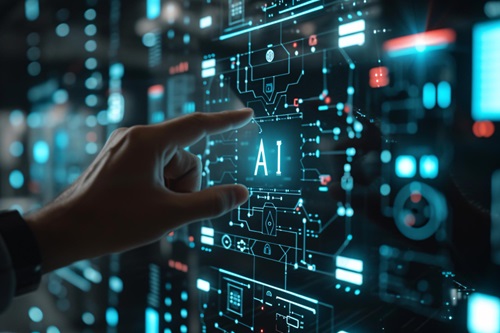
Artificial intelligence revolutionizes education by providing educators with powerful data-driven insights that enhance instructional strategies and student outcomes.
According to the eLearning Industry, AI algorithms are adept at collecting training data from diverse sources, including Learning Management Systems (LMS) and assessments.
These algorithms analyze vast amounts of data to uncover patterns, trends, and hidden correlations that may not be readily apparent to humans.
By processing this information, AI can generate actionable insights and recommendations to optimize teaching methodologies and personalize learning experiences for students.
AI’s ability to report findings in a clear, digestible manner enables educators to make informed decisions based on evidence-backed data.
This data-driven approach improves instructional effectiveness and helps identify areas where students may need additional support or enrichment.
Frequently Asked Questions
What are the benefits of AI in teachers’ administrative tasks?
AI can be a teacher’s secret weapon for administrative tasks! It automates grading, manages student data, and tackles repetitive paperwork. This frees up valuable time for teachers to focus on what they do best: creating engaging lessons and providing personalized student support.
What data insights can AI provide to educators?
AI analyzes student data, such as test scores, activity logs, and even writing styles. Educators can identify learning gaps, tailor instruction to individual needs, and predict potential challenges. It’s like having a real-time report card on every student, helping teachers personalize education and ensure everyone reaches their full potential.
How does AI ensure academic integrity, particularly in assessments?
AI helps ensure academic integrity by spotting suspicious work patterns and documenting data fraud. It analyzes writing styles, flags unusual similarities, and even checks external databases for plagiarism. Thus, it is harder to cheat with fake documents or copied content.
AI as a Teacher’s Ally
While AI might seem futuristic, its applications in education are already transforming classrooms today. From streamlining tasks to personalizing learning, AI empowers teachers to become more effective guides and mentors. As AI technology evolves, the possibilities for a richer, more engaging learning experience for all students are limitless.
Making English Fun!

I have been a teacher of English for over 15 years, in that time i made hundreds and thousands of resources and learnt so much i think its worth sharing. Hopefully to help teachers and parents around the world.