What is the Difference Between a Typo and a Spelling Mistake?
The written word is often our go-to method for communication, whether it’s through emails, texts, or social media posts.
Getting our spelling right not only makes our message clearer but also reflects our attention to detail and professionalism. But let’s face it, mistakes happen to the best of us.
- Sometimes it’s a quick slip of the finger – a typo.
- Other times, it’s a bit more complex – a spelling mistake.
While they may seem similar, there’s a world of difference between a typo and a spelling mistake.
This article aims to shed light on these differences, helping you understand why they occur and how they can impact your writing. So, let’s get started on this journey of words, where every letter counts!

The Difference Between a Spelling Mistake and a Typo
What are Typos
A typo, short for ‘typographical error,’ is essentially a slip of the finger. It happens when our thoughts are racing ahead of our typing skills, leading to swapped letters, extra characters, or even missing ones.
Think of it as a minor hiccup in our brain-to-keyboard coordination. Common examples include typing ‘teh’ instead of ‘the’ or ‘adn’ instead of ‘and’.
Interestingly, with all the AI and other well sued tech we have, autocorrect features sometimes create unintended typos, changing our intended words into something entirely different, often with humorous results.
What are Spelling Mistakes
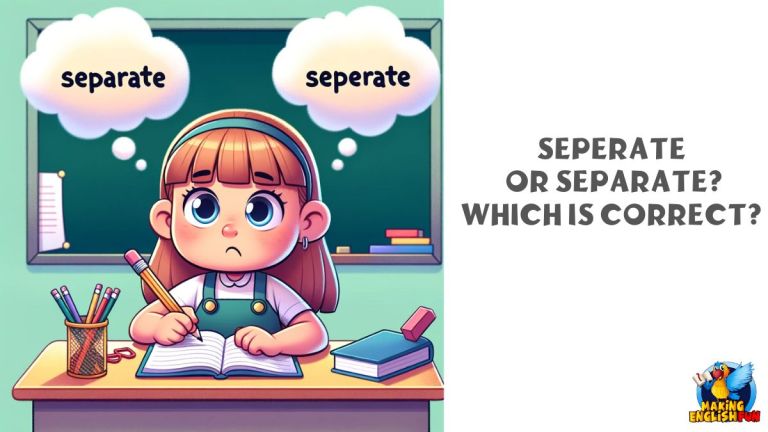
On the other side of the coin are spelling mistakes.
These occur when a word is written incorrectly because of a misunderstanding or lack of knowledge about its correct spelling.
Unlike typos, spelling mistakes can indicate a gap in language proficiency or a lapse in learning.
For instance, confusing ‘their’ with ‘there’, or misspelling ‘necessary’ as ‘neccessary’ are classic examples of spelling mistakes.
These errors are less about the slip of a finger and more about the slip of the mind.
Comparing Typos and Spelling Mistakes
While both typos and spelling mistakes lead to incorrect spellings, their roots are quite different.
- Typos are accidental and often occur despite knowing the correct spelling. They’re usually the result of mechanical error – a physical slip on the keyboard.
- Spelling mistakes, however, stem from a lack of knowledge or confusion about the correct spelling of a word.
This table illustrates some key differences:
| Aspect | Typo | Spelling Mistake |
|---|---|---|
| Cause | Finger slip, mechanical error | Misunderstanding, lack of knowledge |
| Knowledge of Spelling | Knows the correct spelling | Might not know the correct spelling |
| Correction | Easily fixed upon review | Requires learning or reference to correct |
It’s important to note that both can equally impact the clarity and professionalism of your writing.
However, understanding these differences can help in addressing and correcting them more effectively.
Impact on Communication
The way we present our words can significantly influence how our message is perceived.
Typos, while generally understood as accidental, can detract from the professionalism of a document or message, especially in formal or professional settings.
They can give an impression of carelessness or haste. However, in informal contexts, like texting between friends, they’re often overlooked or even seen as a part of the natural flow of rapid, casual communication.
Spelling mistakes, on the other hand, can have a more pronounced impact. They might lead the reader to question the writer’s language skills or attention to detail.
This is particularly crucial in professional and academic environments, where accurate spelling is often seen as a reflection of one’s competence and credibility.
In creative writing or informal settings, occasional spelling mistakes might be more forgivable, but they can still interrupt the flow and clarity of the text.
The good news is, both typos and spelling mistakes are fixable. Recognizing their presence and understanding their implications is the first step towards improving your written communication.

Tools and Strategies for Prevention
We have several tools and strategies at our disposal.
For starters, spellcheck features in word processors are a first line of defense, catching many typos and spelling errors as we type.
However, they’re not foolproof and can miss context-specific errors (like ‘their’ vs. ‘there’).
Grammar checking software, such as Grammarly, offers a more advanced level of review, including contextual spelling and style suggestions.
Beyond technology, good old-fashioned proofreading remains invaluable. Reading your work aloud is a surprisingly effective way to catch errors that your eyes might skip over.
Slowing down your typing speed can reduce typos, while regular reading and writing can naturally improve your spelling and grammar skills.
And don’t underestimate the power of a second set of eyes – having someone else review your work can catch mistakes you might have missed.
Historical Typos and Spelling Mistakes
In the pre-digital era, typographical and spelling errors were often the result of manual typing on typewriters or handwritten texts.
The advent of computers and word processors brought a significant change. Spell-check functions and autocorrect features have drastically reduced certain types of errors.
Yet, they’ve also introduced new challenges. Autocorrect, while helpful, can sometimes alter the intended word to something completely different, leading to humorous or even embarrassing outcomes.
The speed and ease of digital communication have led to a more casual attitude towards spelling in certain contexts, like texting or social media posts.
Why Mistakes Happen: A Cognitive Perspective
Cognitive psychology offers insights into why we make typographical and spelling errors.
- Typographical errors often occur due to ‘automaticity’, a state where our brains perform tasks without much conscious thought. This is why we might type a familiar but incorrect word (‘form’ instead of ‘from’).
- Spelling mistakes, on the other hand, can be attributed to gaps in phonological or orthographic processing. For instance, English speakers might commonly misspell words that don’t follow standard phonetic rules.
- Multitasking and cognitive load also play a role; when our attention is divided, we’re more prone to making both types of errors.
Understanding these cognitive processes can be a step towards more mindful and accurate writing.
Conclusion
Understanding the difference between typos and spelling mistakes is more than a linguistic curiosity – it’s a step towards clearer and more effective communication.
While typos are generally accidental and easily corrected, spelling mistakes can require a more conscious effort to learn and avoid. In both cases, awareness, tools, and practice are your allies.
As we embrace the written word in our daily lives, let’s remember that each letter, each word, matters in conveying our message with clarity and precision.
Frequently Asked Questions About Typos and Spelling Mistakes
- Q: Can spellcheck catch all my spelling mistakes and typos? A: Spellcheck is a useful tool, but it’s not foolproof. It can miss context-specific errors and might not recognize proper nouns or specialized terminology. It’s always a good idea to proofread manually.
- Q: Are some people more prone to making typos or spelling mistakes? A: Yes, factors like typing speed, familiarity with the keyboard, language proficiency, and attention to detail can influence an individual’s propensity for these errors.
- Q: How can I reduce the number of typos and spelling mistakes in my writing? A: Regular proofreading, slowing down while typing, using spellcheck tools wisely, and continuous learning can significantly reduce errors. Reading extensively also helps improve spelling.
- Q: Is it acceptable to have typos or spelling mistakes in informal communication like texts? A: In informal settings, minor typos and spelling mistakes are often overlooked. However, consistently poor spelling might affect readability and the clarity of your message.
- Q: Do typos and spelling mistakes impact professional communication? A: Yes, in professional contexts, a high level of accuracy in spelling and typing is expected as it reflects attention to detail and professionalism.
Further Resources
- https://www.quora.com/What-is-the-difference-between-a-spelling-error-and-a-typing-error#:~:
- https://www.linkedin.com/pulse/do-you-know-difference-between-orthographic-mistake-error-z%C3%BAniga/
- https://www.educationbug.org/a/typos-vs-misspellings.html
- https://forum.wordreference.com/threads/typographical-errors-vs-spelling-errors.1748951/
Making English Fun!

I have been a teacher of English for over 15 years, in that time i made hundreds and thousands of resources and learnt so much i think its worth sharing. Hopefully to help teachers and parents around the world.