How To Teach Sharing In Kindergarten?
Sharing is a cornerstone of social interaction, and nowhere is this more evident, no matter the success rate, than in the vibrant, bustling world of a Kindergarten classroom.
To teach sharing in Kindergarten, use interactive activities like group art projects and shared storytelling, model sharing behavior, apply positive reinforcement, resolve conflicts with empathy, and engage parents for home reinforcement. These methods cultivate a sharing mindset in young learners.
As young children step out of the familiarity of their homes into a more social environment, the ability to share becomes very important for forming friendships and understanding community dynamics.

Below we explore how, with these methods, sharing can be effectively taught to these young minds, and give you some tips to make it an everyday part of your kindergarten classroom.
Understanding the Kindergarten Mindset
At this age, children are at a developmental crossroads where they are just beginning to grasp the concept of empathy and the perspectives of others.
They’re naturally inclined to be egocentric, viewing the world predominantly through their own experiences. This stage, while challenging, is perfectly normal and forms the foundation for teaching sharing.
Recognizing these developmental traits helps in tailoring approaches that not only teach sharing as an action but also as a component of emotional intelligence and interpersonal relations.
Setting the Stage for Sharing
Creating an environment that naturally encourages sharing is a vital step in teaching this skill.
In a Kindergarten classroom, this means designing spaces and routines that promote cooperative play and interaction.
Setting up activity stations that require two or more children to work together, like a puzzle corner or a building block area, can facilitate this.
Additionally, incorporating daily routines where children are responsible for sharing tasks, like distributing snacks or organizing books, can reinforce the concept.
It’s also important to establish clear classroom rules regarding sharing, ensuring they are simple, consistent, and always enforced with kindness and understanding.
This structured yet nurturing environment forms the bedrock upon which sharing behaviors can flourish.
Modeling Sharing Behavior
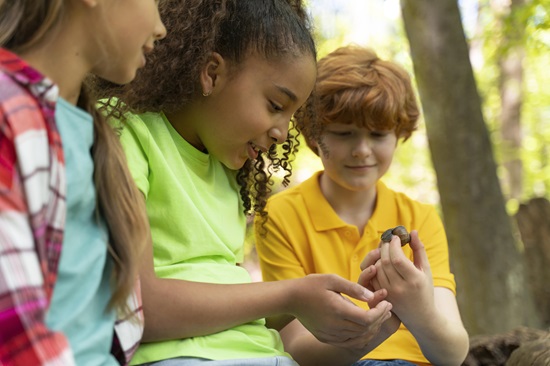
Children learn a great deal by observing the adults around them. so of course, it’s crucial for teachers and other caregivers in the classroom to consistently model sharing behavior.
This can be as simple as adults sharing materials or tasks with each other in view of the children, or involving the children in sharing activities, like distributing art supplies or taking turns in leading a class activity.
Storytelling is another powerful tool. Narrating personal experiences where sharing played a key role or reading stories that highlight sharing can have a significant impact.
When children see sharing in action, especially from figures of authority or affection, they are more likely to mimic this behavior in their interactions.
Activities to Teach Sharing in Kindergarten
Interactive activities are excellent for teaching sharing in an engaging and hands-on manner.
Here are eight activities that can be easily incorporated into a Kindergarten classroom:
- Share the Music: A musical chairs-like game where children pass around an instrument until the music stops. When it stops, the child holding the instrument gets a turn to play a note or beat.
- Building Together: Assign a large building project using blocks or Legos, where children must work together, sharing pieces to create a structure.
- Shared Story Creation: Children sit in a circle and each contributes a sentence to a story, promoting turn-taking and listening.
- Puzzle Partners: Puzzles are great for small groups, where children need to share pieces and work collaboratively to complete the picture.
- Group Art Project: A large canvas where each child contributes by adding to a collective painting or collage, sharing art supplies and space.
- Cooking Class: Simple cooking activities where children are required to share ingredients and utensils to make a recipe together.
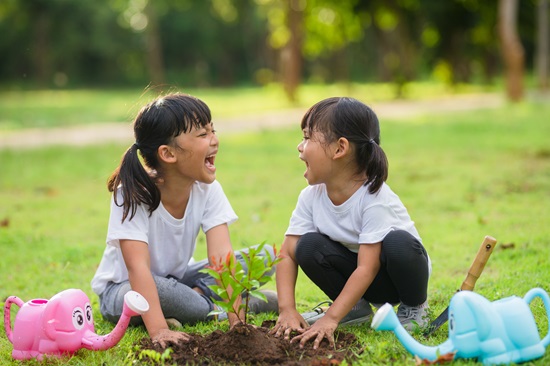
- Garden Plot: If there’s an outdoor space, a shared garden plot can be a wonderful way to teach sharing responsibilities and enjoying the fruits of shared labor.
- Toy Swap: Organize a toy swap day where children bring toys from home and practice sharing with their classmates. This activity also teaches them about generosity and letting go.
Each of these activities not only fosters the skill of sharing but also teaches and practices teamwork, communication, and social interaction among Kindergarten children.
Positive Reinforcement Techniques
Positive reinforcement plays a crucial role in encouraging and solidifying sharing behaviors.
When a child shares, offering specific praise such as,
“I really liked how you shared your crayons with Sarah today,”
can reinforce the action.
It’s important that the praise is immediate and sincere, emphasizing the positive impact of sharing on others.
Occasionally, tangible rewards like stickers or extra playtime can be effective, but the goal should be to gradually shift the focus to intrinsic rewards.
Children should come to understand and appreciate the good feelings associated with sharing, like making a friend happy, rather than doing it solely for external rewards.

Dealing with Sharing Conflicts
Conflicts are inevitable when teaching young children about sharing, but they provide invaluable teachable moments.
When disputes arise, it’s crucial to address them calmly and fairly. Begin by acknowledging each child’s feelings and viewpoint to make them feel heard.
Then, guide them towards a solution, perhaps by taking turns or finding a compromise.
Role-playing can be an effective tool here, where children act out different ways to resolve a conflict.
It’s also important to teach empathy during these moments, helping children understand how their actions affect others.
Encourage them to think about how they would feel in their peer’s situation. Consistent and patient guidance in resolving these conflicts not only teaches sharing but also develops problem-solving and empathy skills.
Involving Parents and Caregivers
The lessons taught in the classroom are more effective when they are reinforced at home.
Engaging parents and caregivers in the process is key. This can be done through regular communication, like newsletters or emails, offering tips on how to encourage sharing at home.
Organizing workshops or providing handouts with activities that parents can do with their children can also be beneficial. Encourage parents to model sharing behavior and praise it at home just as it is praised in the classroom.
Share stories of progress and success with parents, so they can see the value of these lessons and continue to reinforce them. ( this works!)
It’s a collaborative effort that ensures children receive consistent messages about the importance of sharing both at school and home.
By integrating these strategies and involving all key influencers in a child’s life, we can create a comprehensive approach to teaching sharing in Kindergarten.
This not only fosters a sense of community and cooperation in the classroom but also lays the foundation for these young individuals to grow into empathetic and socially responsible adults.
Measuring Progress
Assessing progress in sharing is less about quantifiable metrics and more about observing behavioral changes and interactions among children. ( we don’t really need another chart on the wall is what we are saying)
Teachers can keep anecdotal records noting instances of sharing, cooperation, and how children handle conflicts over shared resources.
It’s important to look for gradual improvements, like a child hesitating less before sharing or showing initiative in resolving a sharing conflict.
Additionally, regular discussions during circle time can be used to gauge children’s understanding and attitudes towards sharing.
Teachers can ask open-ended questions about times they shared or how it felt when someone shared with them. These discussions provide insights into the children’s thought processes and development in sharing.
We have a selection of articles to help teach the broader concepts in kindergarten you can check them out below.
- How to teach sharing in Kindergarten
- How to teach empathy in Kindergarten
- how to teach friendship in Kindergarten.
Conclusion
Teaching sharing in Kindergarten is filled with challenges and rewards. It requires patience, consistency, and a deep understanding of the developmental stage of these young learners.
Through a combination of
- creating the right environment,
- modeling behavior,
- engaging activities,
- positive reinforcement,
- effective conflict resolution,
- parental involvement,
- and careful observation,
we can guide children towards embracing sharing as a natural part of their social interactions.
Additional Resources
- https://raisingchildren.net.au/toddlers/behaviour/friends-siblings/sharing
- https://tiptopbrain.com/blog/how-to-teach-sharing-to-children-in-3-simple-effective-ways/
- https://www.askdrsears.com/topics/parenting/discipline-behavior/morals-manners/11-ways-teach-your-child-share/
- https://www.beginlearning.com/parent-resources/kids-sharing/
Making English Fun!

I have been a teacher of English for over 15 years, in that time i made hundreds and thousands of resources and learnt so much i think its worth sharing. Hopefully to help teachers and parents around the world.