How to Teach Friendship in Kindergarten?
Friendship in Kindergarten represents the joy of shared experiences, the comfort of understanding, and the thrill of new connections.
To teach friendship in Kindergarten, create an inclusive environment, engage in activities that promote cooperation, and teach key skills like communication and empathy. Address challenges with understanding and involve families to reinforce friendship lessons at home and school.
In these early years of schooling, children are not just learning their ABCs; they are also discovering the fundamental aspects of forming and maintaining friendships.

We look at importance of friendship skills in early childhood development and offer some activities to help teach the meaning of friendship in a kindergarten classroom.
Understanding Friendship in Kindergarten
Friendship in Kindergarten is about more than just playing together; it’s the beginning of understanding social dynamics, empathy, and cooperation.
At this developmental stage, children are learning to navigate social interactions, express their feelings, and understand those of others.
However, this journey isn’t without its challenges. Young children are naturally egocentric, and the concept of seeing things from another’s perspective is a skill that is just beginning to blossom.
This period presents a unique opportunity for educators and caregivers to guide children in the art of making and being a friend.
It involves teaching them to recognize and value the feelings and viewpoints of their peers, setting the stage for meaningful and lasting friendships.
Creating a Friendship-Friendly Classroom
The classroom environment is a critical factor in fostering friendships among Kindergarten children. An atmosphere that promotes warmth, acceptance, and cooperation sets the stage for budding friendships.
This can be achieved by arranging the classroom to encourage group activities and interactions, such as setting up learning centers where children can engage in shared tasks.
Incorporating activities that require teamwork, like group art projects or collective storytelling sessions, can also encourage bonding.
Moreover, celebrating each child’s unique qualities and contributions helps foster an inclusive environment where every child feels valued and open to forming connections.

Activities to Foster Friendships
Engaging in activities specifically designed to enhance friendship skills can be both fun and educational for Kindergarten students. Here are some effective activities:
- Buddy System: Pairing children up for certain activities or tasks to promote cooperation and bonding.
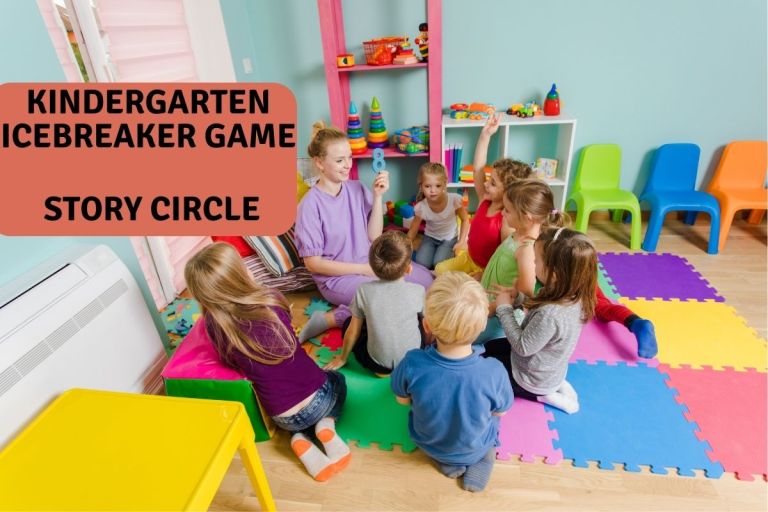
- Friendship Circle: A daily or weekly gathering where children share something about themselves or offer compliments to others.
- ‘Get to Know You’ Games: Interactive games that encourage children to learn about each other’s likes, dislikes, and interests.
- Storytime on Friendship: Reading stories that focus on friendship, followed by discussions about the characters’ relationships and actions.
- Role-Playing: Enacting scenarios that teach problem-solving in friendships, like how to share toys or include everyone in play.
- Crafting for Friends: Projects like making friendship bracelets or cards, emphasizing the joy of giving and thoughtfulness.
- Group Projects: Activities that require collaboration, such as building a large puzzle or creating a class mural.
- Music and Movement: Activities like dancing or singing in groups, which naturally foster cooperation and a sense of unity.
Teaching Key Friendship Skills
Friendship in Kindergarten revolves around several key skills:
- communication,
- sharing,
- empathy,
- and conflict resolution.
Each of these skills is essential in building and maintaining friendships.
Communication is the cornerstone, teaching children how to express their thoughts and feelings and listen to others. Activities like ‘Show and Tell’ or ‘Circle Time’ discussions encourage open communication.
Sharing is another critical skill. Using games and activities that require children to share toys or materials can help them learn the importance of taking turns and being considerate.
Empathy can be nurtured through role-playing and storytelling, helping children understand and respond to the emotions of others.
Lastly, conflict resolution is inevitable in any social setting. Guiding children through resolving disputes, perhaps through role-play or guided discussions, teaches them to navigate disagreements in a respectful and constructive manner.
Celebrating Diversity and Inclusivity
A key aspect of fostering friendships in Kindergarten is teaching children to appreciate and embrace diversity.
This involves encouraging them to recognize and respect differences in backgrounds, cultures, abilities, and interests.
Teachers can introduce books and activities that showcase a wide range of perspectives and lifestyles, promoting an understanding and acceptance of diversity.
Celebrating various cultural festivals, sharing stories from different countries, and discussing unique family traditions can all be part of this learning. Inclusivity activities, like ensuring every child is included in play and group activities, reinforce the message that everyone is valuable and deserves friendship.

Navigating Friendship Challenges
Even in the most harmonious of classrooms, challenges in friendships can arise. It’s important for educators to equip Kindergarten students with the tools to navigate these challenges.
- When conflicts occur, it’s crucial to address them with a focus on understanding and empathy.
- Encourage children to share their feelings and listen to the perspectives of others.
- Mediation sessions, where each party gets to speak and be heard, can be effective.
- Teachers should also create opportunities for children to learn about apologizing and forgiving as part of resolving conflicts.
- In cases of exclusion or hurt feelings, group discussions about kindness and the impact of our actions on others can be used.
Involving Families in Friendship Education
The lessons of friendship extend beyond the classroom and should be reinforced in the home environment.
Engaging with parents and caregivers is key to this. Teachers can share tips and activities with parents that encourage friendship skills at home.
For instance, arranging playdates, discussing books or movies that focus on friendships, and modeling positive social interactions can all be beneficial.
Additionally, parent-teacher meetings or newsletters can be used to communicate about the importance of friendship skills and how they can be supported at home.
Encouraging parents to acknowledge and discuss their child’s social experiences reinforces the skills being taught in the classroom, creating a cohesive approach to friendship education.
Assessing Progress in Friendship Skills
Monitoring and assessing the development of friendship skills in young children is a subtle and ongoing process.
It involves observing how children interact with their peers during various activities and noting changes in their behavior.
Teachers can look for signs of improved communication, increased instances of sharing and cooperation, and how children handle conflicts.
Another method is to have reflective discussions with children, asking them about their friends, what they value in friendships, and how they resolve disagreements.
Activities like drawing a picture of a friend or describing what friendship means to them can also provide insights into their understanding of friendships.
We have a selection of articles to help teach the broader concepts in kindergarten you can check them out below.
- How to teach sharing in Kindergarten
- How to teach empathy in Kindergarten
- how to teach friendship in Kindergarten.

Conclusion
Teaching friendship skills in Kindergarten is a rewarding and impactful aspect of early childhood education. It’s about guiding young children through the complexities of social interactions and helping them build the foundations for lasting, healthy relationships.
Through a blend of interactive activities, focused skill-building, celebrating diversity, navigating challenges, and collaborating with families, educators can create a nurturing environment where friendship skills flourish.
As children learn to connect, share, empathize, and resolve conflicts, they are not just becoming better friends; they are growing into considerate, understanding individuals.
Additional Resources
For those interested in exploring more about teaching friendship skills in Kindergarten, a variety of resources are available:
- https://www.beginlearning.com/parent-resources/friendship-kids/
- https://www.kindergarten-lessons.com/making-friends-1/
- https://www.xaa.edu.sg/blog/parents/ways-help-your-child-make-friends-kindergarten/
- https://raisingchildren.net.au/preschoolers/behaviour/friends-siblings/preschoolers-making-friends
Making English Fun!

I have been a teacher of English for over 15 years, in that time i made hundreds and thousands of resources and learnt so much i think its worth sharing. Hopefully to help teachers and parents around the world.