What are Text Features and How to Teach Them?
Teaching of text features is one key aspect often overlooked in both fiction and nonfiction books. These features, far from being just background information, are crucial in guiding young readers through different text types.
Text features are essential components of fiction and nonfiction books, aiding in comprehension and navigation. In nonfiction, they include titles, tables of contents, diagrams, bolded text, glossaries, and indexes. Fiction features include titles, chapters, illustrations and occasionally contents.
They offer cues, provide context, and enhance comprehension, making them indispensable tools in the education of emerging readers.
Understanding these features not only assists in decoding the text but also enriches the overall reading experience.

Whether it’s the factual realm of nonfiction or the imaginative worlds of fiction, text features play a pivotal role in making the content accessible and engaging for young learners and we explore this in more detail below.
We also have two tables for download and printing that cover text features in fiction and Non-fiction.
What Are Text Features?
Text features refer to the various components of a book that supplement and organize the main text, aiding in comprehension and navigation.
- In nonfiction, these features might include captions, which provide descriptions of images; indexes, offering quick access to specific topics; and glossaries, defining key terms.
- Fiction texts, on the other hand, often feature elements like illustrations that add visual depth to the story, titles that set the thematic tone, and chapter headings that organize the narrative.
These features are not just decorative; they are essential signposts that guide young readers through the structure and substance of the book or text, enhancing their understanding and engagement with the material.
Fiction Text Features

While fiction books may not be as feature-rich as their nonfiction counterparts, they still possess distinct elements that enhance the storytelling experience. In kindergarten, where imagination and narrative play a crucial role in learning, understanding these features can significantly aid young readers. Here’s an overview of the key text features typically found in fiction books.
1. Title

- The title of a fiction book is a window into its story. It sets the tone and often hints at the theme or central narrative. For young readers, the title can be a point of intrigue and curiosity, sparking their interest in the story.
2. Table of Contents
- Although not as common in fiction as in nonfiction, many chapter books have a table of contents. It lists the names of chapters, helping readers anticipate the story’s unfolding and navigate through the book.
3. Chapter Headings
- In books divided into chapters, chapter headings serve as signposts, marking new segments of the story. Each heading can suggest the chapter’s focus or shift in the narrative, preparing young readers for what’s to come.
4. Pictures

- Illustrations in fiction books are more than just decorative; they bring the story to life. For kindergarteners, pictures provide visual context and can help in understanding the narrative, characters, and setting.
These features in fiction books play a vital role in enhancing the reader’s engagement with the story. They provide structure, visual enrichment, and cues that assist young readers in navigating through the narrative, making the reading experience both enjoyable and educational.
Fiction Text Features Table
| Feature | Description |
|---|---|
| Title | Tells what the story is about. |
| Table of Contents | Lists the chapters in the story. |
| Chapter Headings | Titles for different parts of the story. |
| Pictures | Shows scenes or characters from the story. |

Teaching Fiction Text Features
Teaching fiction text features in kindergarten can be an integral and enjoyable part of daily reading sessions. It involves highlighting and discussing the elements that make up the structure and presentation of a story.
Storybook Exploration Activities:
- Title Discussion: Start by discussing the title of a storybook. Ask students what they think the story might be about based on the title.
- Picture Analysis: Encourage students to look at the pictures and describe what they see. Discuss how the illustrations add to the story.
- Chapter Adventure: For books with chapters, explore the table of contents and chapter titles. Discuss how each chapter might contribute to the story.
Integrative Reading Activities:
- Interactive Story Reading: While reading a story, pause to point out and discuss different text features, such as the role of pictures or the significance of chapter headings.
- Create a Story Map: Have students create a story map that includes the title, pictures, and key events from the story, helping them understand the narrative structure.
- Fictional Story Creation: Encourage students to create their own short fiction story, emphasizing the use of pictures and a clear title to convey their narrative.
Nonfiction Text Features
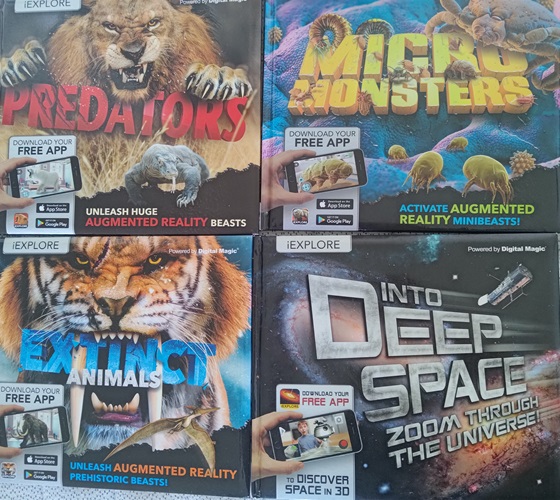
Nonfiction books, designed to inform and educate, are replete with features that organize and elucidate the content. Understanding these features is essential for young readers as they navigate through a world of factual information and learning. Here, we delve into the key text features commonly found in nonfiction books, particularly relevant for kindergarten-level readers.
1. Title

- The title of a nonfiction book is its first and most direct way of telling the reader what the book will be about. It often encapsulates the main theme or subject matter, serving as a guidepost for the reader’s expectations.
2. Table of Contents
- A critical navigational tool, the table of contents outlines the main sections or chapters of the book. It lists what topics are covered and on what page each section begins, helping readers locate information quickly and understand the book’s structure.
3. Glossary

- Nonfiction books frequently contain specialized or challenging vocabulary. A glossary is a dedicated section where these terms are defined, aiding in comprehension and vocabulary building. It’s an invaluable resource for young readers encountering new and complex words.
4. Bolded Words
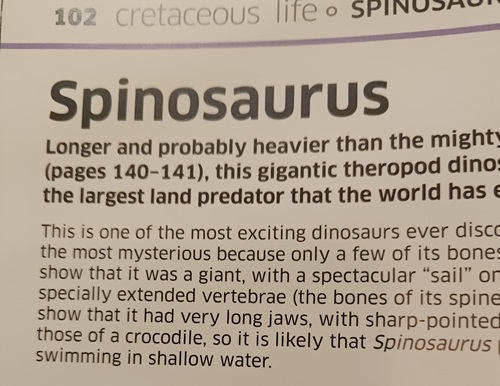
- Words that are bolded in the text are typically of special importance or relevance. They might be key terms that are defined in the glossary or crucial for understanding the main concepts of the book. Bolded words draw the reader’s attention and emphasize their significance.
5. Captions

- Accompanying pictures or diagrams, captions provide explanatory text or additional details. They help in contextualizing images, making them more meaningful and informative for the reader.
6. Diagrams and Labels

- Diagrams offer a visual representation of concepts or objects discussed in the book. Labels on these diagrams help readers identify and understand different parts or aspects, enhancing their comprehension of the subject matter.
8. Headings

- Headings indicate the beginning of new sections and often summarize what the following section is about. They help organize the content and guide the reader through the book.
9. Index

- An index is a list at the end of the book that tells what pages certain words or topics can be found on. It’s a detailed navigational tool for readers seeking specific information.
Each of these features plays a unique role in aiding young learners to navigate nonfiction texts effectively. They not only facilitate understanding but also encourage interaction with the text, making learning an active and engaging process.
Nonfiction Text Features Table
| Feature | Description |
|---|---|
| Title | Tells what the book is about. |
| Table of Contents | Lists the chapters or sections and their start pages. |
| Glossary | Explains hard words found in the book. |
| Bold Words | Important words that are easy to see. |
| Captions | Describes what’s happening in a picture. |
| Diagrams | Pictures that explain things with labels. |
| Labels | Names parts of a picture. |
| Headings | Titles for different parts of the book. |
| Index | Shows where to find topics in the book. |

In addition to these tables we also have a more ‘jazzy’ Non Fiction Text Features Chart here on the site as well click the link to check that out.
Teaching Nonfiction Text Features
Introducing nonfiction text features in kindergarten offers a unique opportunity to engage young minds in an interactive and meaningful way.
This process can be both fun and educational, helping children understand how to navigate and comprehend nonfiction texts effectively.
Exploration and Discussion Activities:
- Book Exploration: During Reading Workshop, provide a variety of nonfiction books. Allow students to explore and observe different text features. This activity can be guided with questions like, “What do you notice about the pictures?” or “Can you find the glossary?”
- Feature Hunt: Create a scavenger hunt for specific text features. Give children a list of features to find in their books, such as bolded words or an index, and discuss their purpose.
- Matching Game: Develop a matching game where students pair text features with their definitions or examples.
Creating Own Nonfiction Books:
- Class Book Project: As a group, create a class nonfiction book. Each student contributes a page with a specific text feature, like a labeled diagram or a caption.
- Individual Nonfiction Books: Guide students to write their own nonfiction book on a topic they are familiar with, incorporating various text features. This can start with a simple title, a table of contents, and labeled pictures
We also have an article on different essay types if you are looking to upscale your teaching.
Conclusion
Understanding text features in both nonfiction and fiction books is a fundamental skill for young readers.
By exploring and learning these features, children in Kindergarten and Grade 1 can navigate through different types of texts with greater ease and comprehension.
Through engaging activities and hands-on exploration, educators and parents can help students become more confident and proficient readers.
Remember, each text feature, whether it’s a bold word in a nonfiction book or a captivating picture in a fiction story, plays a crucial role in enhancing the reading experience and fostering a lifelong love for learning.
Further Reading
- https://www.readingrockets.org/topics/comprehension/articles/guiding-students-through-expository-text-text-feature-walks#:~:t
- https://www.classroomnook.com/blog/teaching-students-to-use-nonfiction-text-features
- https://www.voyagersopris.com/vsl/blog/what-are-text-features-and-how-to-teach-them
- https://www.weareteachers.com/text-features/
Making English Fun!

I have been a teacher of English for over 15 years, in that time i made hundreds and thousands of resources and learnt so much i think its worth sharing. Hopefully to help teachers and parents around the world.