What is the Service Learning Strategy?
Service Learning is an educational approach that blends meaningful community service with instruction and reflection to enrich learning experiences, promote civic responsibility, and strengthen communities.
It extends beyond the classroom, offering students a unique opportunity to apply academic skills to real-world challenges, thereby creating a deeper understanding and awareness of societal issues and their own role in addressing them.
In this article, we will explore what Service Learning means, its significance in fostering a well-rounded education, and its impact on both students and communities.

Understanding Service Learning
Service Learning is an experiential pedagogical model that integrates community service with classroom learning objectives.
- Core Concept: At its heart, Service Learning is about reciprocity – students engage in community service activities that are directly linked to their academic coursework and in return, gain deeper knowledge, skills, and civic awareness.
- Objectives: The primary goals include enriching student learning, promoting civic engagement, and contributing positively to the community. It’s designed to provide students with hands-on experiences that complement their academic studies while addressing real community needs.
Service Learning represents a holistic approach to education, encouraging students to become active, socially aware, and engaged citizens.
Table: Key Aspects of Service Learning
| Aspect | Details about Service Learning |
|---|---|
| Definition | An educational approach that combines community service with classroom instruction and reflection to enrich learning, teach civic responsibility, and strengthen communities. |
| Key Components | Community partnership, curricular integration, student reflection, and assessment. |
| Benefits | For students: Enhanced academic learning, personal growth, civic responsibility. For communities: Addressed local needs, strengthened community ties. |
| Challenges | Balancing service objectives with learning goals, maintaining effective community partnerships, ensuring consistent student engagement. |
| Implementation Strategies | Identifying suitable projects, preparing students, facilitating reflection, building community partnerships. |
| Application in Educational Contexts | Adaptable across various educational levels and settings, including elementary, secondary, and higher education, as well as adult education. |
Theoretical Foundations of Service Learning
Service Learning is grounded in a rich blend of educational theories:
- Experiential Learning: Drawing from the principles of experiential learning, Service Learning emphasizes learning through doing and reflecting. It allows students to apply theoretical knowledge in practical settings.
- Social Constructivism: This approach highlights the importance of social context and interactions in learning. Service Learning involves students working collaboratively on community issues, fostering a deeper understanding through shared experiences.
These theoretical foundations underscore the value of Service Learning in enhancing academic learning and social responsibility.
Key Components of Service Learning
Effective Service Learning programs encompass several critical elements:
- Community Partnership: Successful Service Learning requires building strong partnerships with community organizations. These collaborations ensure that service projects address genuine community needs.
- Curricular Integration: Service activities should be directly linked to course objectives, allowing students to apply academic concepts to real-world situations.
- Student Reflection: Reflection is a core component of Service Learning, enabling students to think critically about their experiences, the societal impact, and personal growth.
- Assessment and Evaluation: Regular assessment of both the service activities and the learning outcomes is essential to measure the program’s effectiveness.
These components ensure that Service Learning provides meaningful experiences for students while making a positive impact on the community.
Benefits of Service Learning
Service Learning offers numerous benefits:
- For Students: Enhances academic learning, develops critical thinking and problem-solving skills, promotes empathy and cultural awareness, and fosters a sense of civic responsibility.
- For Communities: Provides valuable services, strengthens community ties, and promotes a culture of civic engagement and collaboration.
Service Learning not only contributes to personal and academic growth but also plays a vital role in community development and societal well-being.
Implementing Service Learning
Implementing Service Learning in educational settings involves several steps:
- Identifying Suitable Projects: Choose service projects that align with academic content and address real community needs.
- Preparing Students: Equip students with the necessary background knowledge and skills for effective participation in service projects.
- Facilitating Reflection: Incorporate structured reflection activities to deepen students’ learning experiences.
- Building Community Partnerships: Develop and maintain strong relationships with community organizations to ensure mutually beneficial outcomes.
Effective implementation of Service Learning requires careful planning, coordination, and a commitment to both educational and community objectives.
Service Learning in Different Educational Contexts
Service Learning is a versatile approach that can be adapted across various educational levels and settings:
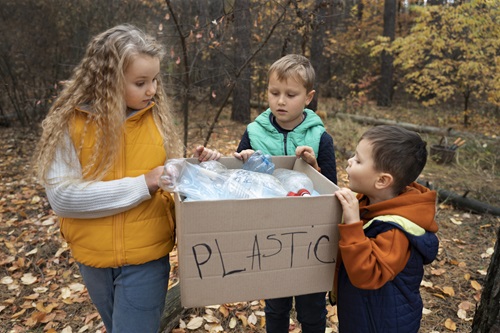
- Elementary and Secondary Education: At these levels, Service Learning can be integrated into subjects like social studies, science, and language arts. Projects can include community clean-ups, local history projects, or science fairs with a community focus.
- Higher Education: In colleges and universities, Service Learning can be part of coursework in diverse disciplines, from environmental studies to social work. It can involve more complex projects like policy research, community health initiatives, or legal aid services.
- Adult Education: Service Learning can enhance adult education programs by providing practical experiences that complement classroom learning, such as community literacy projects or skills training initiatives.
In each context, Service Learning enriches the educational experience by connecting academic learning to real-world community needs.
Conclusion
Service Learning empowers students to apply their knowledge and skills in meaningful ways, fostering a sense of civic responsibility and a deeper understanding of societal issues.
By integrating service with learning, Service Learning nurtures compassionate, informed, and engaged citizens, ready to contribute positively to their communities and the wider world.
Further Reading
- https://www.elmhurst.edu/blog/what-is-service-learning/
- https://digitalcommons.unomaha.edu/cgi/viewcontent.cgi?article=1006&context=slceguides
- https://www.prodigygame.com/main-en/blog/service-learning/
- https://www.suffolk.edu/student-life/student-involvement/community-public-service/service-learning/what-is-service-learning
Making English Fun!

I have been a teacher of English for over 15 years, in that time i made hundreds and thousands of resources and learnt so much i think its worth sharing. Hopefully to help teachers and parents around the world.