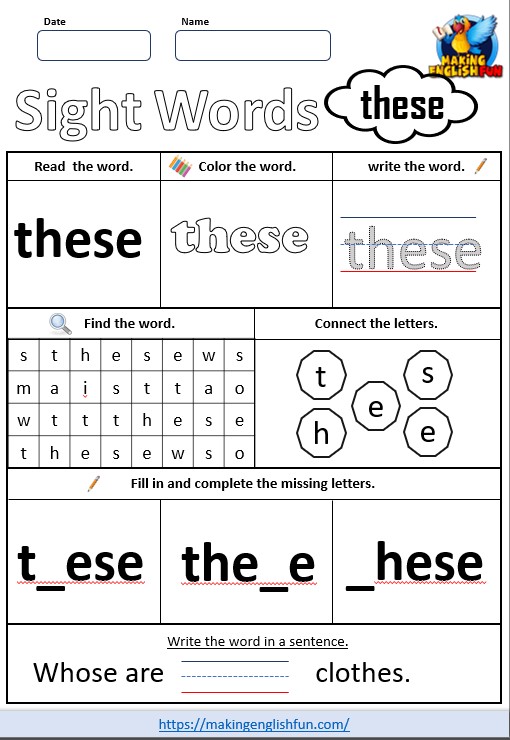
What is Formative Assessment Method
Formative Assessment, a vital component of the educational process, serves as a navigational tool, guiding both teachers and students toward successful learning outcomes.
Unlike summative assessments, which evaluate student learning at the end of an instructional period, Formative Assessment occurs continuously throughout the teaching and learning process.
It involves regular, informal assessments that provide critical feedback to adjust teaching strategies and student learning behaviors in real time.
In this article, we will explore the essence of Formative Assessment, its theoretical underpinnings, practical strategies, and the significant role it plays in enhancing education.

Understanding Formative Assessment
Formative Assessment is characterized by its ongoing nature and its focus on improving student learning while it’s happening.
- Characteristics and Purposes: The primary goal of Formative Assessment is to gather timely and pertinent information about student understanding, which can be used to guide instruction and provide immediate feedback to students. It is less about grading and more about gaining insights into student learning.
- Continuous Feedback and Adjustment: Central to Formative Assessment is the idea of a feedback loop, where the information gathered is used to make instructional adjustments, address learning gaps, and tailor teaching to meet student needs more effectively.
This understanding of Formative Assessment underlines its importance in creating a dynamic and responsive learning environment.
Theoretical Foundations
The concept of Formative Assessment is deeply rooted in educational theories that emphasize the importance of continuous learning and feedback:
- Educational Theories: Constructivist theories, which advocate for building knowledge through experience and reflection, strongly support the practice of Formative Assessment. These theories highlight the role of ongoing evaluation and feedback in the learning process.
- Influential Theorists: Educators like Benjamin Bloom have contributed significantly to the development of Formative Assessment practices. Bloom’s work on mastery learning, for instance, underscores the importance of formative approaches in helping students achieve learning objectives.
Understanding these theoretical foundations provides educators with a solid basis for implementing effective Formative Assessment strategies.
Key Strategies for Formative Assessment
Implementing Formative Assessment involves a variety of techniques and practices:
- Quizzes and Observational Assessments: Short quizzes or informal observations can provide immediate insights into student understanding.
- Self-Assessment and Peer Feedback: Encouraging students to assess their own work and provide feedback to peers fosters a deeper understanding and involvement in the learning process.
- Effective Questioning Techniques: Using open-ended questions during instruction can help gauge student comprehension and encourage critical thinking.
Integrating these strategies into daily teaching practices can significantly enhance the learning experience for students.
Benefits of Formative Assessment
Formative Assessment brings numerous advantages to the educational process, both for students and educators:
- Improved Student Learning: Regular feedback helps students understand their strengths and areas for improvement, leading to enhanced learning and better academic performance.
- Increased Motivation and Engagement: Formative Assessment often involves active student participation, which can increase engagement and motivation in the classroom.
- Informed Instructional Decisions: For teachers, Formative Assessment provides valuable information to adjust teaching strategies, ensuring that instruction is more effective and responsive to student needs.
These benefits demonstrate the critical role of Formative Assessment in creating a more effective and student-centered learning environment.

Implementing Formative Assessment in the Classroom
The implementation of Formative Assessment requires thoughtful planning and a commitment to ongoing evaluation:
- Practical Tips for Incorporation: Strategies such as incorporating short reflection activities, using digital tools for quick surveys, and providing regular constructive feedback can be effectively used in the classroom.
- Role of Technology: Technology can play a significant role in facilitating Formative Assessment, offering tools for quick quizzes, interactive activities, and real-time feedback.
Adopting these strategies can help teachers seamlessly integrate Formative Assessment into their everyday teaching practices.
Challenges and Solutions
While Formative Assessment is highly beneficial, educators may encounter certain challenges in its implementation:
- Time Constraints: Regularly conducting Formative Assessments and providing feedback can be time-consuming.
- Solution: Utilize technology for efficient assessments, like online quizzes, and develop a systematic approach to minimize time spent on each assessment.
- Effective Feedback: Providing meaningful feedback that students can act on is crucial yet challenging.
- Solution: Focus on specific, actionable feedback, and use a variety of feedback methods, including peer feedback and self-assessment.
- Ensuring Student Participation: Some students may be reluctant to participate in Formative Assessment activities.
- Solution: Create a supportive classroom environment where all students feel comfortable contributing and where their input is valued.
Section 7: Formative Assessment in Different Educational Contexts
We have some ideas below on how formative assessments could be used in different educational scenarios
- Primary Education: Utilize simple and engaging formative assessment techniques such as thumbs up/down, smiley face charts, and short verbal quizzes to gauge understanding in younger students. Incorporate games and interactive activities that allow for immediate teacher feedback.
- Secondary Education: Implement more structured formative assessments like peer reviews, reflective journals, and concept maps. Use technology tools for quick assessments, such as quizzes or interactive polls.
- Higher Education: Focus on in-depth formative assessments such as project drafts, presentations, and group discussions. Encourage self-assessment and peer feedback to develop critical thinking and self-evaluation skills.
- Adult Education and Professional Training: Apply formative assessments tailored to adult learners, like case studies, practical tasks, and role-playing. Integrate continuous feedback mechanisms in training sessions to ensure relevance and practical application.
The Difference Between Formative and Summative Assessment
Formative and Summative Assessments are distinct yet complementary methods of evaluating student learning.
- Formative Assessment is ongoing, used throughout the learning process to monitor student progress and inform instruction. It emphasizes immediate feedback and adjustment.
- Summative Assessment, on the other hand, evaluates student learning at the conclusion of an instructional period, providing a comprehensive measure of achievement.
While Formative Assessment is diagnostic and aids in learning, Summative Assessment is evaluative and reflects overall student performance.
Table: Formative vs. Summative Assessment
| Aspect | Formative Assessment | Summative Assessment |
|---|---|---|
| Purpose | To monitor and guide learning progress. | To evaluate overall achievement at the end of a learning period. |
| Timing | Conducted throughout the learning process. | Administered at the end of a unit, semester, or course. |
| Feedback | Provides immediate, ongoing feedback for improvement. | Offers feedback after assessment, primarily for grading. |
| Role in Learning | Diagnostic, helps identify strengths and areas for improvement. | Evaluative, measures how much content the student has learned. |
| Examples | Quizzes, observations, discussions. | Final exams, standardized tests, end-of-term projects. |
Conclusion
For students, Formative Assessment paves the way for a more engaged and personalized learning experience, where they can actively participate in their own educational journey.
For educators, it offers valuable insights into student understanding, allowing for more informed and effective teaching.
It challenges educators to be more attuned to their students’ needs and responsive to their learning progress.
By integrating Formative Assessment strategies into classroom practice, educators can significantly enhance student learning outcomes, preparing them not just for academic success but for lifelong learning.
Further reading
- https://www.cmu.edu/teaching/assessment/basics/formative-summative.html
- https://www.structural-learning.com/post/formative-assessment-strategies-a-teachers-guide
- https://www.niu.edu/citl/resources/guides/instructional-guide/formative-and-summative-assessment.s
Making English Fun!

I have been a teacher of English for over 15 years, in that time i made hundreds and thousands of resources and learnt so much i think its worth sharing. Hopefully to help teachers and parents around the world.