What is Cross Curricular Learning?
Cross-Curricular Learning highlights innovation in education, introducing the integration of different subject areas into cohesive and meaningful learning experiences.
This approach breaks down the traditional silos of subject-specific learning, fostering a broader understanding and application of knowledge.
By connecting different disciplines, Cross-Curricular Learning encourages students to draw parallels and make connections, enriching their education.

The Essence of Cross-Curricular Learning
At the heart of Cross-Curricular Learning is the integration of multiple disciplines, creating a learning experience that helps understand the interconnected nature of knowledge in the real world.
This approach encourages students to see the links between subjects, enhancing their understanding and engagement.
- Holistic Learning: By combining various subjects, students gain a more comprehensive understanding of topics, seeing how different areas of knowledge intersect and influence one another.
- Benefits for Students: This approach fosters critical thinking, creativity, and the ability to apply knowledge in diverse contexts. It prepares students for a world where problems often require multidisciplinary solutions.
Table: Key Aspects of Cross-Curricular Learning
| Aspect | Details about Cross-Curricular Learning |
|---|---|
| Definition | Integrates multiple subject areas into cohesive learning experiences. |
| Core Elements | Thematic units, collaborative teaching, and project-based learning. |
| Benefits | Enhances critical thinking, problem-solving, and real-world applicability. |
| Challenges | Aligning curricula, teacher preparedness, and cross-disciplinary assessment. |
| Implementation | Varies across educational levels, from primary to higher education. |
| Future Potential | Enhanced with technology; aligns with modern workforce skills. |
| Assessment Strategies | Portfolio assessments, project-based evaluations, and reflective assessments. |
Historical Context and Theoretical Foundations
Cross-Curricular Learning has its roots in progressive educational movements that emphasize holistic development and real-world applicability of learning.
- Evolution Over Time: The approach has evolved from early educational reforms to its current application, influenced by changing educational needs and societal demands.
- Supporting Theories: Educational theories such as constructivism and multiple intelligences theory underpin Cross-Curricular Learning, emphasizing the importance of diverse, contextual, and interactive learning experiences.
In the following sections, we will examine how to implement Cross-Curricular Learning effectively, along with the benefits and challenges it presents.
Implementing Cross-Curricular Learning
Successfully integrating Cross-Curricular Learning into education requires thoughtful planning and a willingness to explore new teaching methodologies. Here are some key strategies:
- Thematic Units: Develop units around themes that naturally combine elements from different subjects, such as environmental studies linking science, geography, and social studies.
- Collaborative Teaching: Encourage collaboration among teachers from different disciplines to design and deliver interconnected lessons.
- Project-Based Learning: Utilize projects that require students to apply skills and knowledge from multiple subjects, fostering a comprehensive understanding of the topic.
Effective implementation also involves aligning learning objectives across disciplines to ensure a coherent and unified educational experience.
Benefits and Challenges
Cross-Curricular Learning offers numerous benefits but also poses certain challenges:
- Benefits for Students: Enhances critical thinking and problem-solving skills, prepares students for real-life situations, and fosters a deeper understanding and appreciation of interconnected knowledge.
- Challenges in Implementation: Potential difficulties include aligning curricula across different subjects, teacher preparedness for integrative teaching, and assessment of student learning in a cross-disciplinary context.
- Solutions: Professional development for teachers, collaborative planning, and flexible assessment models can help overcome these challenges, ensuring the successful implementation of Cross-Curricular Learning.
These insights pave the way to understanding the practicalities of applying Cross-Curricular Learning in various educational settings, which we will explore in the next sections.

Cross-Curricular Learning in Practice
The practical application of Cross-Curricular Learning varies across different educational settings, each presenting unique opportunities for integrating multiple disciplines:
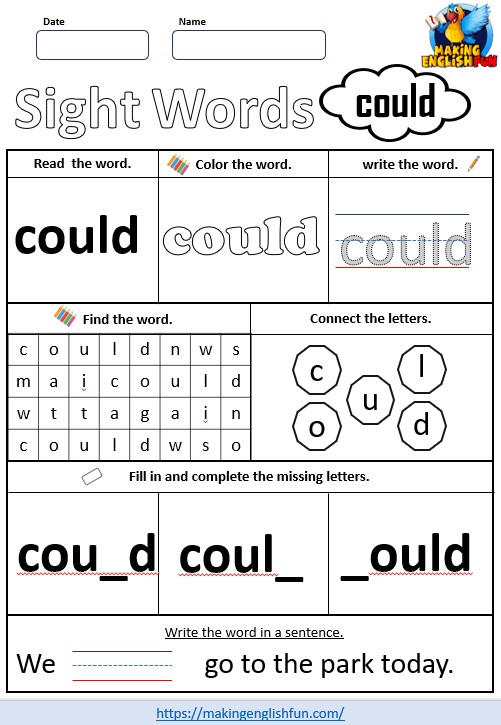
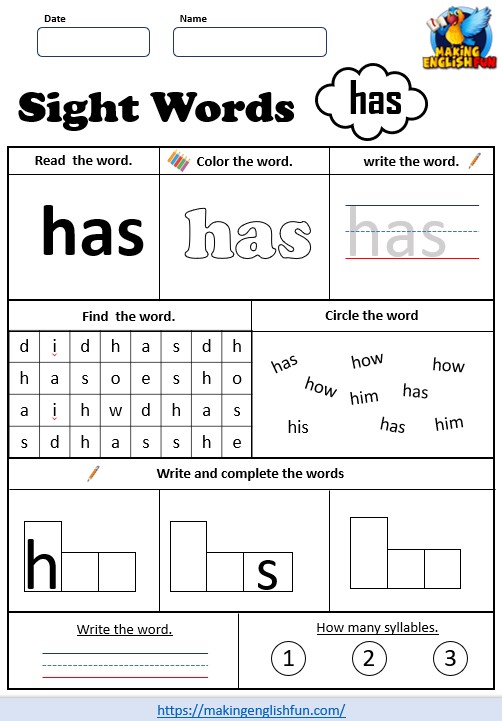
- In Primary Education: Activities can include integrating art and history to explore cultural heritage, or combining science and math in environmental projects.
- In Secondary Education: More complex projects, like a combined literature and history study on a specific historical period, or integrating physics and mathematics in engineering challenges, can be effective.
- In Higher Education and Adult Learning: Here, the approach can include interdisciplinary courses that merge areas like technology and ethics, or business studies and environmental science.
These examples demonstrate how Cross-Curricular Learning can be tailored to fit different educational levels and learning goals.
Future Directions and Potential Developments
As education continues to evolve, Cross-Curricular Learning is poised to play a significant role in shaping future learning paradigms.
With the integration of technology, such as AI and data analytics, Cross-Curricular Learning can be enhanced to provide more personalized and effective educational experiences.
Additionally, the increasing emphasis on skills like critical thinking and adaptability in the modern workforce further underscores the importance of this approach.
Section 7: Assessing Cross-Curricular Learning
Assessment in a Cross-Curricular context requires a shift from traditional methods to more holistic and integrative approaches. This may include:
- Portfolio Assessments: Where students compile a range of work that demonstrates their learning across different subjects.
- Project-Based Assessments: Evaluating students based on projects that require applying knowledge and skills from multiple disciplines.
- Reflective Assessments: Encouraging students to reflect on their learning process and the connections they have made between different subject areas.
Conclusion
Cross-Curricular Learning encourages students to make meaningful connections across disciplines, fostering a deeper understanding and appreciation of the interconnectedness of knowledge.
This approach not only enriches the academic experience but also equips students with the critical thinking, problem-solving, and adaptability skills essential in our increasingly complex and interconnected world.
For educators, adopting a Cross-Curricular approach involves creativity, collaboration, and a commitment to rethinking traditional educational models. It’s an invitation to inspire students with a more engaging, relevant, and comprehensive learning journey.
Further Reading
- https://www.twinkl.com/teaching-wiki/cross-curricular#
- https://cliweb.org/cross-curricular-instruction/
- https://sphero.com/blogs/news/cross-curricular-teaching
- https://www.researchgate.net/publication/274313611_An_Introduction_to_Cross-Curricular_Learning
Making English Fun!

I have been a teacher of English for over 15 years, in that time i made hundreds and thousands of resources and learnt so much i think its worth sharing. Hopefully to help teachers and parents around the world.